
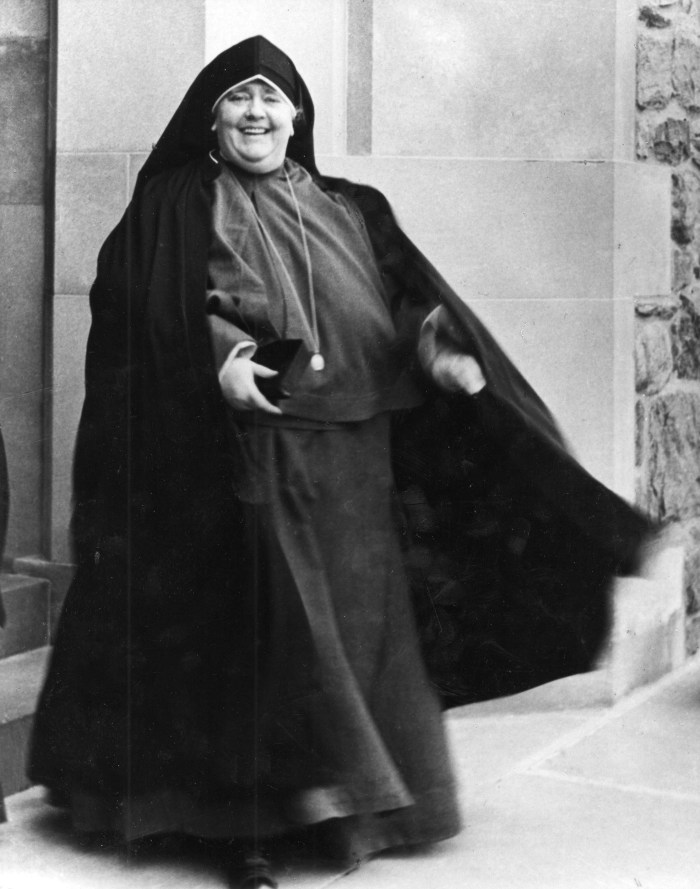
Courtesy Maryknoll Mission Archives
Mother Mary Joseph
1882 – 1955
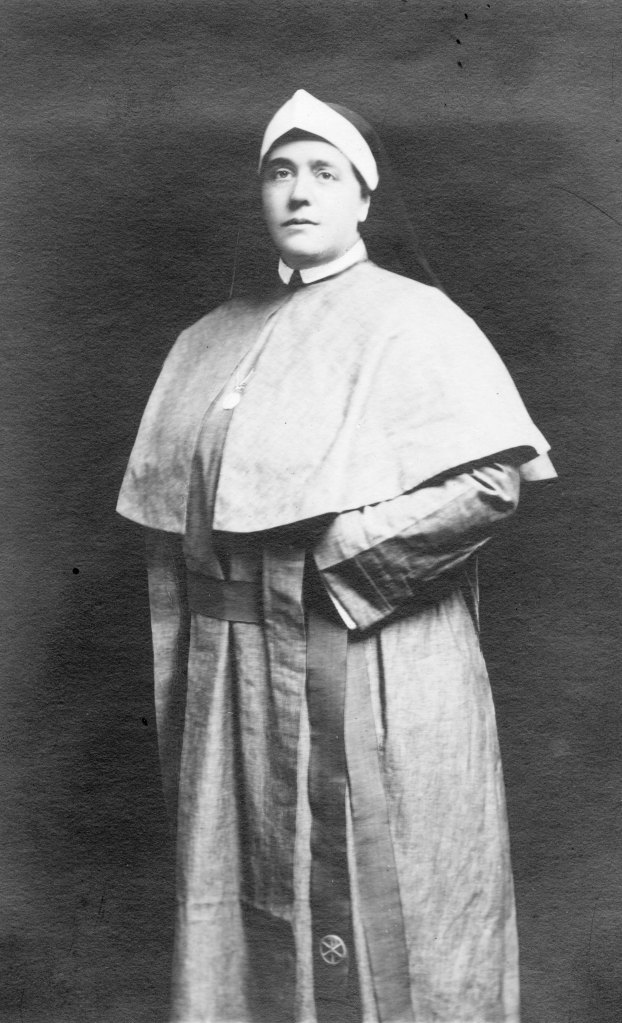
Founder, Maryknoll Sisters
***Local Connection: Maryknoll Sisters, Pinesbridge Road***
Born to an Irish-Catholic family in Roxbury, Massachusetts, Mary “Mollie” Josephine Rogers grew up as a dutiful, observant Catholic.
It wasn’t until she attended Smith College as a Zoology major that she became inspired by the active Protestant Mission Study groups. She wondered, why didn’t the Catholic students have anything similar?
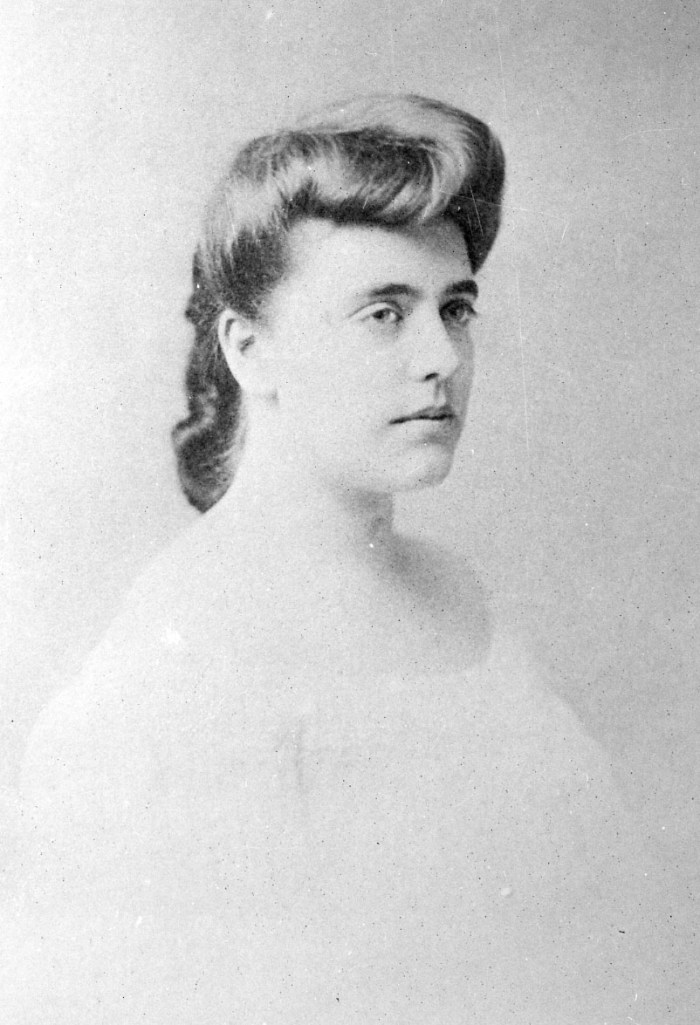
On the occasion of her graduation from Smith College
Courtesy Maryknoll Mission Archives
After graduation, she went on to get a teaching certificate and was invited back to Smith as a “demonstrator” in the Department of Zoology. It was during this time that she was tapped to lead a Bible and Mission Study class for Catholic undergraduates at Smith. To prepare, she contacted Father James Walsh, Director of the Society for the Propagation of the Faith in Boston. At the time, her goal was simply to “inspire the girls to do actual work when they leave college [and] show them how great the Church is.”
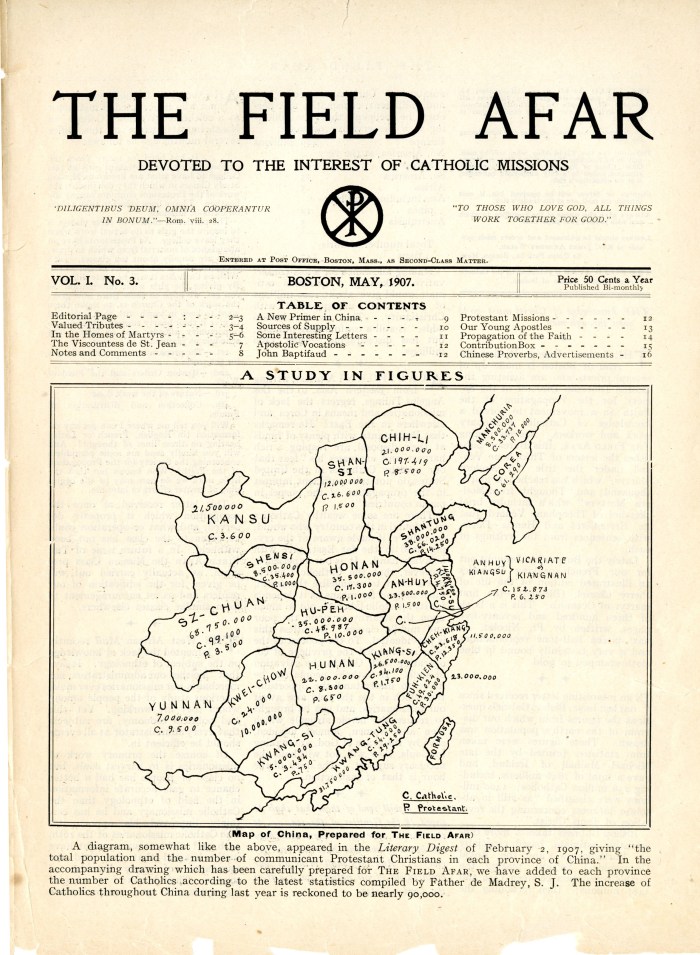
Soon, she was leading a class of Smith students as well as working for Father Walsh as a secretary, helping him publish the first missionary periodical in the United States called The Field Afar:
In 1912, Father Walsh would go on to found the first missionary society in the United States, the Catholic Foreign Mission Society of America.
But he was having problems purchasing land for the campus he envisioned. After a transaction in Pocantico Hills fell through, Father Walsh sensed that there might be anti-Catholic sentiment at the root of his difficulties. To counteract that, he turned to his secretary, Mollie Rogers. She put on her best Smith College ensemble with pearls, hat and gloves, and, looking like a wealthy Westchester matron, purchased a 99-acre farm on what was then known as Sunset Hill in Ossining.
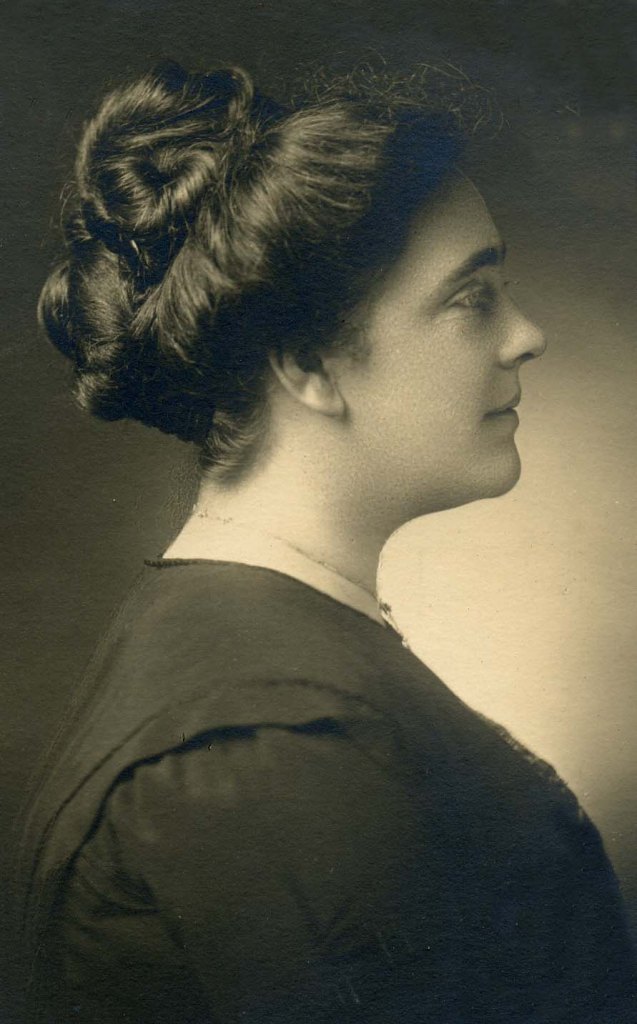
Courtesy Maryknoll Mission Archives
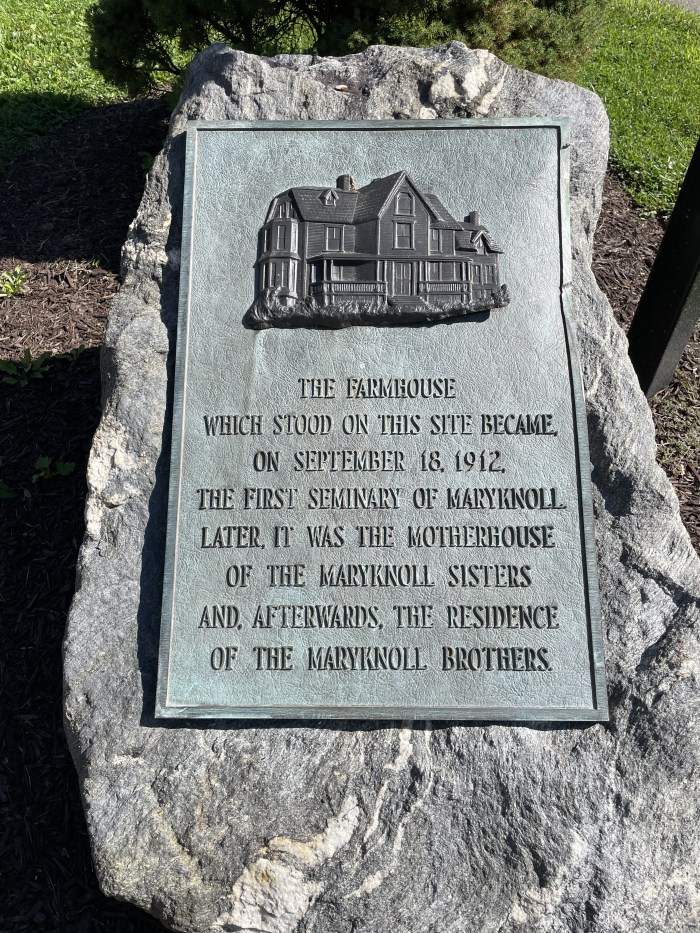
From then on, Mollie Rogers would be looked to as the de facto leader of the group of women who were drawn to help Father Walsh.
Soon, they determined to form a religious community of their own. As Mollie charted a course through unmapped waters – theirs was the first group of American religious women whose goal was overseas missionary service – she took on the name Mother Mary Joseph.
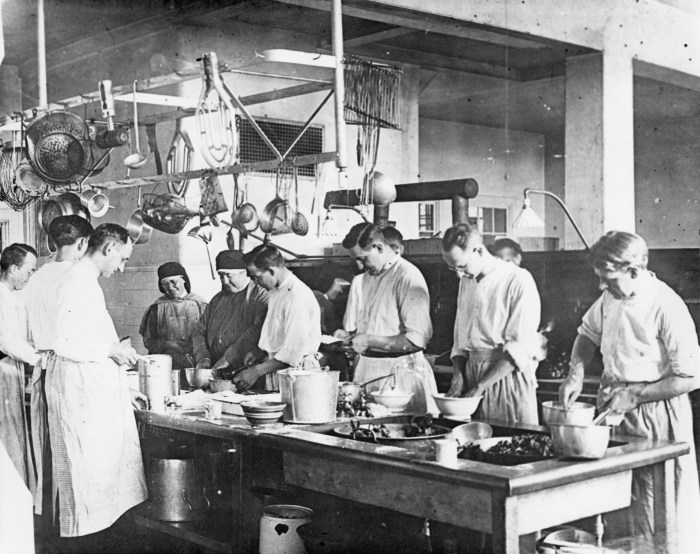
Courtesy Maryknoll Mission Archives
The women affiliated themselves with the religious order of St. Dominic and worked relentlessly to overcome multiple rejections by church leadership in both the US and Rome.
Courtesy Maryknoll Mission Archives
It wasn’t until 1920 that they were finally approved to begin their mission work. Soon, they were serving in faraway places like Manchuria, the Philippines and China, and women from all over the world were joining the community.

Courtesy Maryknoll Mission Archives
Under Mother Mary Joseph’s guidance, the congregation of Sisters grew rapidly, setting up missions in Asia, Latin America, Africa and the United States.
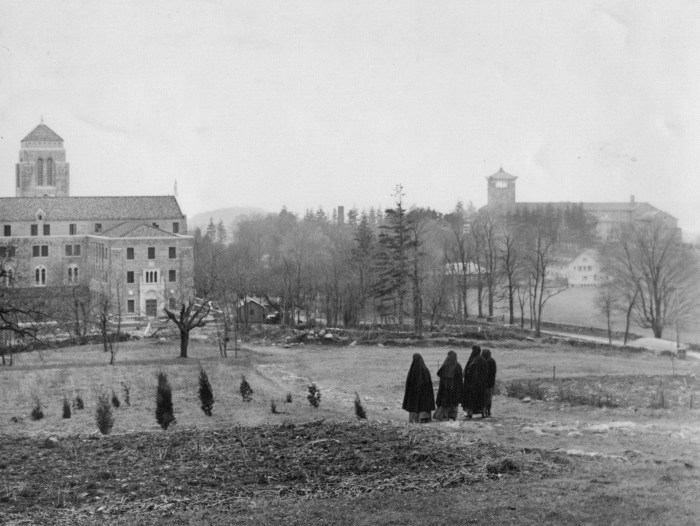
Courtesy Maryknoll Mission Archives
Mother Mary Joseph would live in the Maryknoll Motherhouse until 1952 when she suffered a debilitating stroke that left her partially paralyzed. She would rally, continuing to encourage and inspire, until she passed away on October 9, 1955.
Today, Maryknoll Sisters continue to serve in 18 countries. Sisters have opened schools, clinics, and hospitals, expanding their reach into Latin America, Africa, Thailand, Japan and South Korea. They’ve nursed lepers in Hawaii, AIDs patients in El Salvador, taught English in Jakarta, prayed with Navajo, worked with Sudanese refugees, helped Vietnamese asylum seekers, performed surgery in Guatemala, started health clinics in Tanzania, taught nursing in Korea – Mother Mary Joseph’s mission lives on.
“As one lamp lights another nor grows less, so nobleness enkindles nobleness . . . If we could only be mindful that every act of kindness can beget another act of kindness, and any act of charity can bring forth another act of charity, how little trouble we would have in life.”
PERSONAL NOTE FROM THE CURATOR:
I’ve had the great good fortune to work with some of the Maryknoll Sisters over the years, and they always amaze me with their breadth of knowledge, keen intelligence, and positivity.
In 2020, I spoke with Sister Jean Fallon and asked her what made her want to be a missionary nun. This is what she told me:
“When I was a very little girl, my father took me to see some shacks that had appeared at the end of our very nice street.
‘They’re called Hoovervilles,’ he told me. [Yes, Herbert Hoover was President when she was a little girl!]
I cried, ‘But we have to help these people, they can’t live like that.’
My father shook his head – ‘There are too many of them and they need too much. There’s nothing we can do.’
Well, I think that was the moment that started me on this path – I was only about four years old, but I’ve never forgotten that moment. Yes, there ARE too many and they DO need a lot. But there’s always something we can do.”
 Ossining History on the Run