
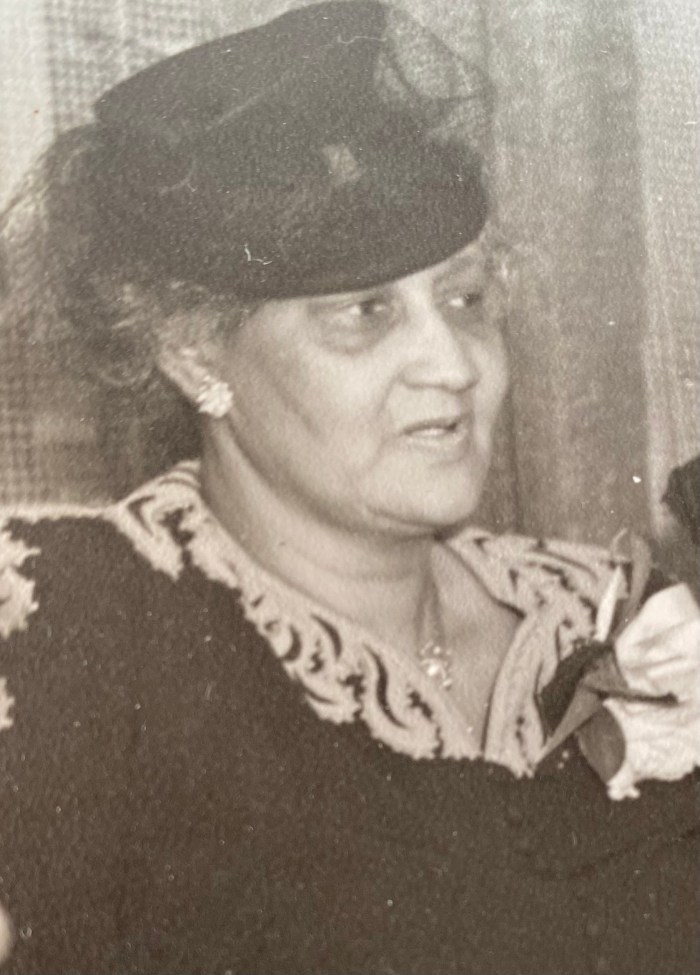
Courtesy of Tom Dilworth
Mrs. Minnie Moseley Nabors
1887 – 1959
Business Owner
Foster Mother
Founder, Ossining Branch, NAACP
Ossining Republican Committee Chair
***Local Connection: Hunter Street***
Minnie Moseley was one of eight children born to Jacob and Ella Moseley in Buckingham, Virginia.
According to the New York State census, in June of 1905, at the age of 18, she seems to have been working in Yonkers as a servant, but that December she returned to Virginia to marry Thomas Nabors.
By 1910, Minnie and Thomas would have three children and travel up north in search of better opportunities.
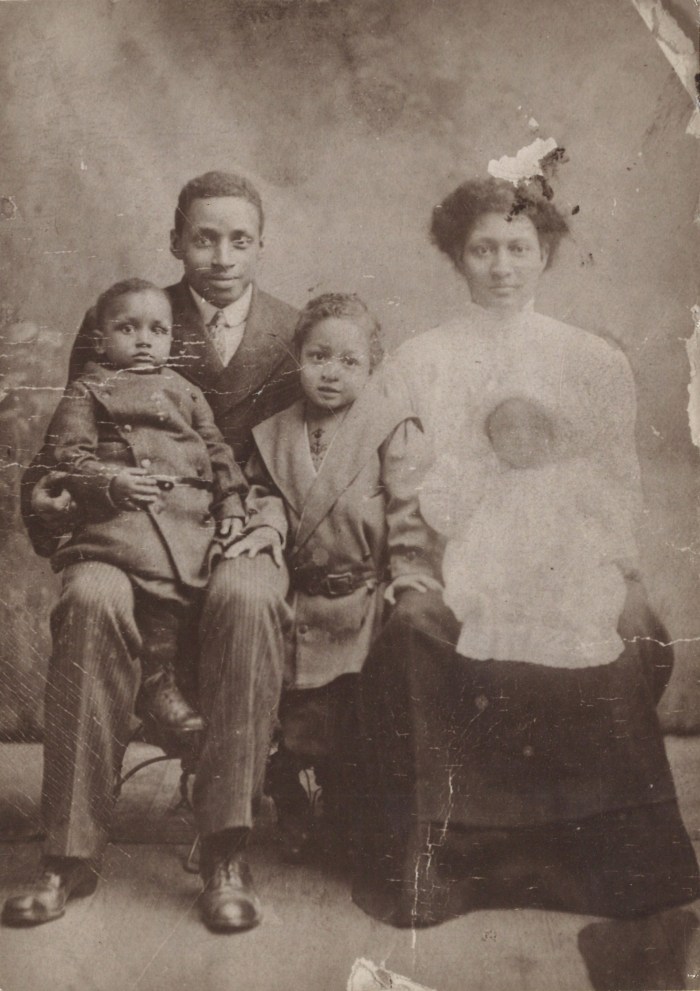
Courtesy of Dwayne Mann
Soon they would be living on Croton Point in the brick ‘Fruit House’ building while Thomas worked in the brickyards.
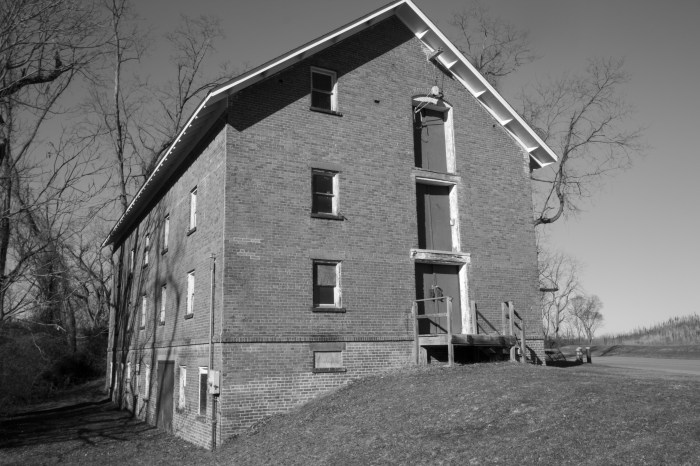
Still standing today, it was originally built for fruit and vegetable storage. In the early 20th century, it was used as a boardinghouse for the brick and orchard workers.
Courtesy of Scott Craven
Minnie would take care of her children while also cooking three meals a day for the boarders they lived among. When the brickyards closed a few years later, the Nabors family would move to Ossining, purchase a home on Hunter Street, and Thomas would build a successful trucking business, delivering coal and oil.
Minnie was a force of nature. Describing her influence on all around her, her family fondly jokes: “If Minnie coughed, everyone caught a cold.” Her commitment to helping others was unwavering as she tirelessly donated her energy and resources to anyone in need.
When her brother Jake Moseley lost his wife in the 1918 flu pandemic, Minnie opened her heart and home to his three daughters. When another sibling succumbed to tuberculosis, she stepped in once more, helping to raise his children as her own.
Minnie and Thomas would have five children: Thomas, Sherman, Pearl, Blanche and Beulah. And all the time she was raising her children, she was running side businesses to help support the family.
She managed a summertime snack bar on Hunter Street called the “Busy Bee,” serving hamburgers, hot dogs and sodas. At the time, there was really only one playground Black children were allowed to use and it just happened to be right across the street from Minnie’s.
A stern disciplinarian, organized, ambitious, and with a ramrod straight back, Minnie began her day by balancing her checkbook. But her grandchildren also remember her energy and humor, with grandson Tom recalling Minnie as firm but gentle, infusing everything she did with love, even when she scrubbed him everywhere with borax and a brush.
Her kindness and generosity weren’t confined to her family — once her children were school-age, Minnie started taking in foster children.
In 1947, she would receive recognition from the Department of Child Welfare for raising over 40 children, but her work was far from over. Ultimately, Minnie would act as foster mother to 53 youngsters, in addition to raising her own children and those of her siblings.
But there was more to Minnie. She was also an integral part of the community, and a member of several clubs – The Order of the Eastern Star, and, with her husband Thomas, the Improved Benevolent and Protective Order of Elks. (Also known as the “Black Elks,” this organization was founded in 1868 when Black people were denied entry into similar, white, fraternal groups.)
An active member of the Star of Bethlehem Church, Minnie was a church committee woman who hosted many meetings and gatherings at her home, as well as attending and chairing fundraisers and other events.
Local newspapers note that she helped found the Ossining Chapter of the NAACP, and in 1958 was recognized for her “meritorious service.” In addition, for over 20 years she involved herself in local politics, eventually becoming Chairwoman of the Ossining Republican committee.
She died at the age of 72 and is buried in the Bethel Cemetery, Croton-on-Hudson, New York.
 Ossining History on the Run