Women’s History Month 2025 – Virtual Exhibit

Welcome to the virtual exhibit page for Ossining Women’s History Month 2025!

While the installation at the Ossining Public Library (53 Croton Avenue) is no longer on display, the entire exhibit will live on this blog in perpetuity.

Who are these women?

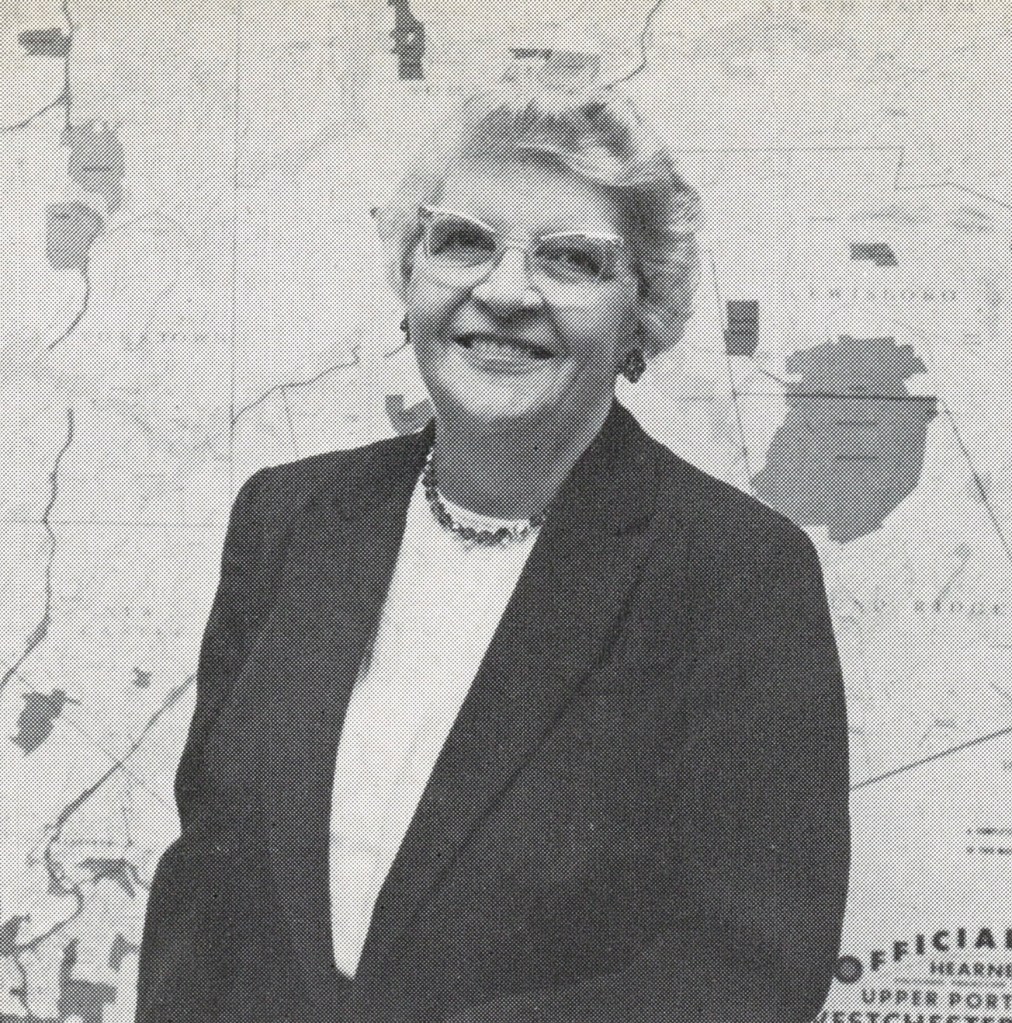
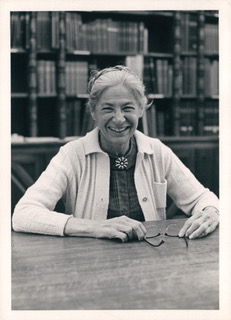
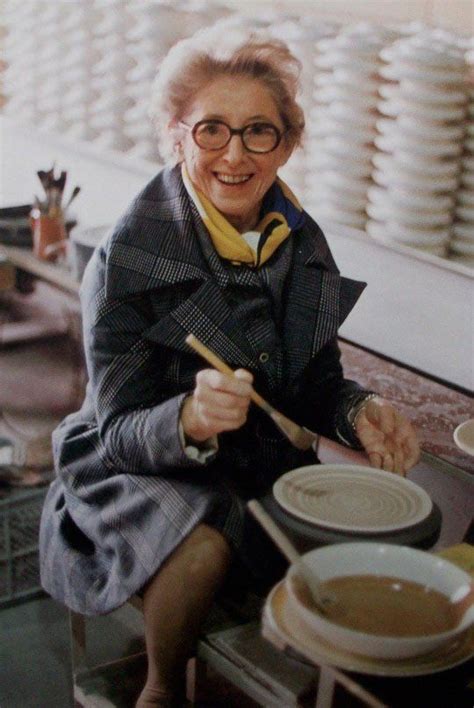
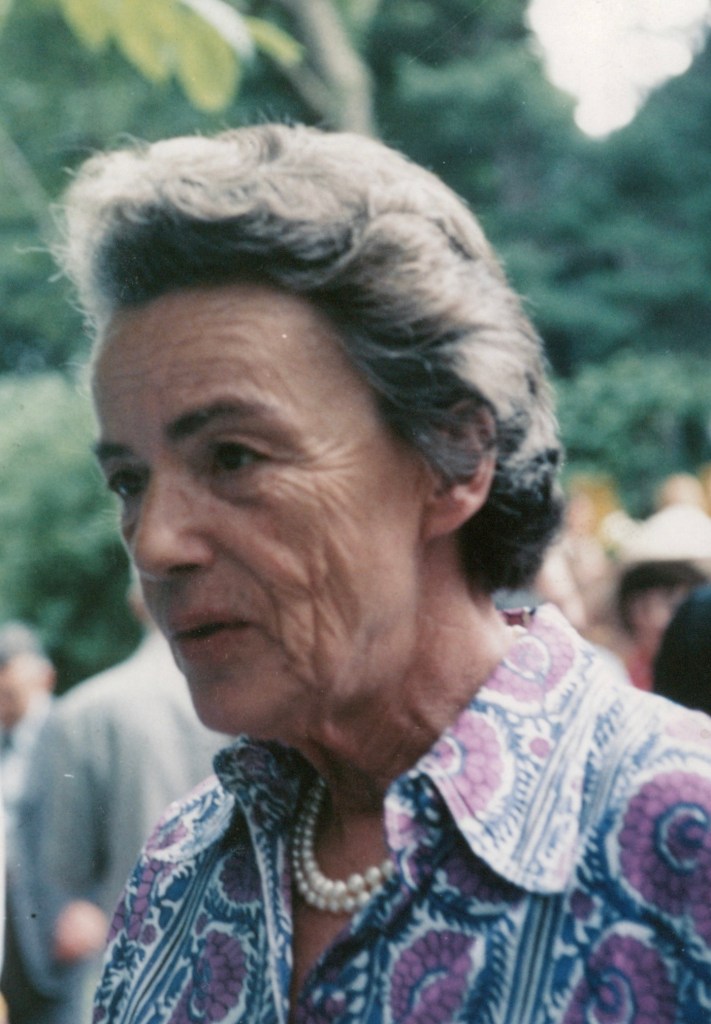
These are all remarkable women local to Ossining who made a big impact in shaping our community and our world.  Some are national figures. Some have local streets, schools or parks named after them. And some just did their work quietly.  But all have accomplishments that deserve to be recognized and shared.

What will you see?

This is a retooling and enlargement of last year’s exhibit presented at the Bethany Arts Community, with expanded biographies and four more fascinating women included.

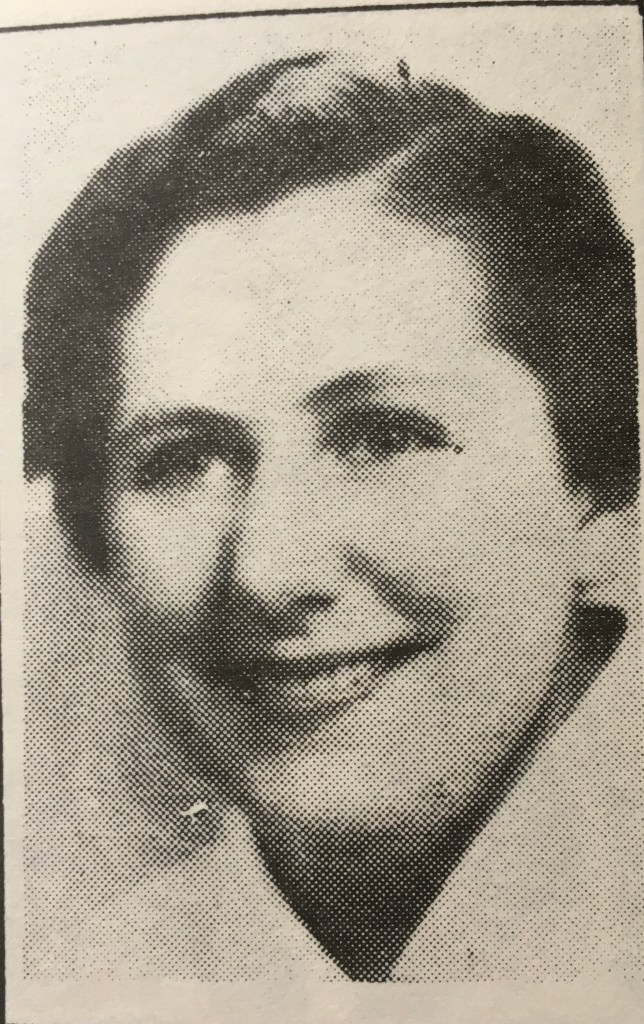
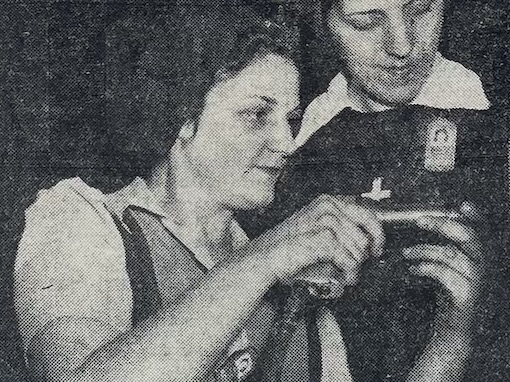
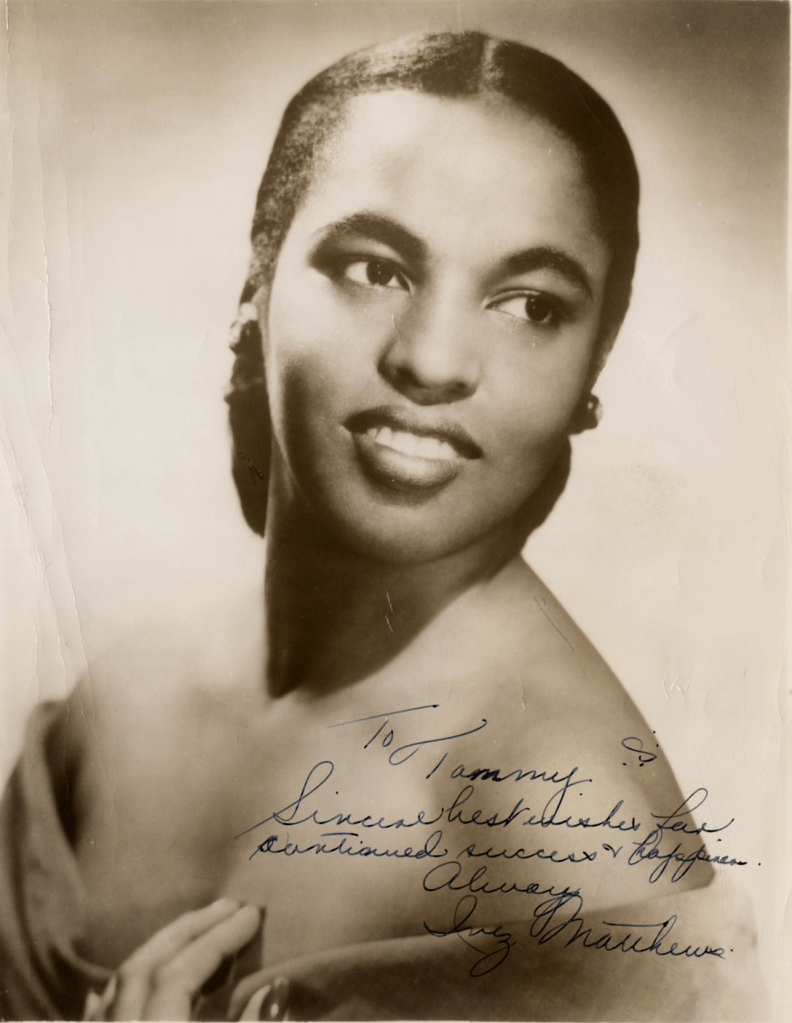
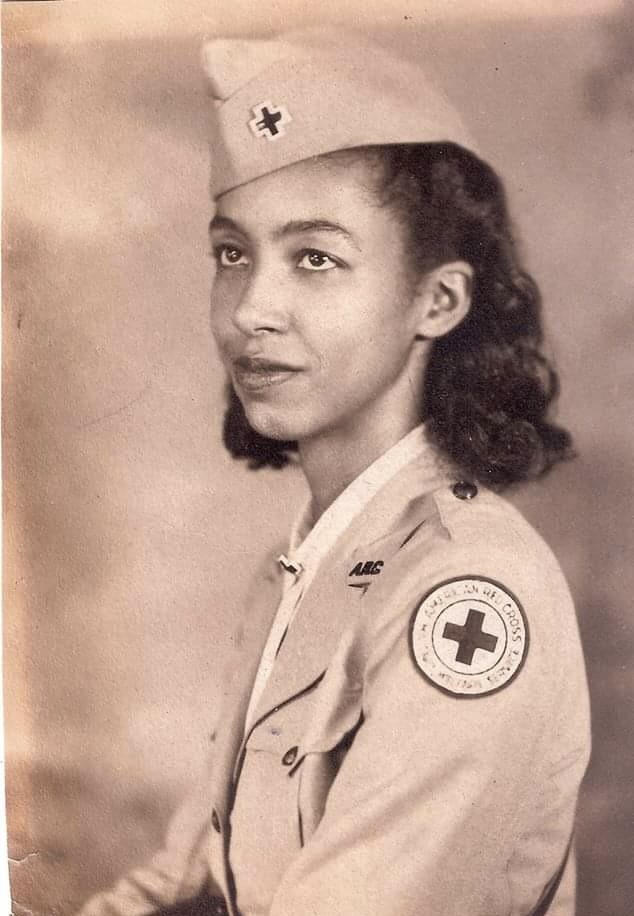
These women represent all facets of American life – art, religion, science, politics, military service, activism, and philanthropy. Those with a higher profile in life offer more images and material. Others avoided the limelight (either on purpose or through circumstance) and less is known about them, but this exhibit will help uncover and celebrate all of their remarkable stories.

To learn more about each woman featured, simply click on their names below and you’ll be quickly directed to a page with their detailed biography, including photos and links to further enrich their extraordinary stories.

Enjoy!

Caroline Ranald Curvan
Ossining Town Historian & Exhibit Curator

Before you go . . .

Help me curate Women’s History Month 2026!

I’d like to add to this group of Local Legends by crowd-sourcing nominations for next year’s Women’s History Month exhibit.

Who would you like to see honored and why? (They should be women who have some connection to the Ossining area . . .)

You can either fill out this brief form online or complete a hard copy at Ossining Library (downstairs in the exhibit gallery.)

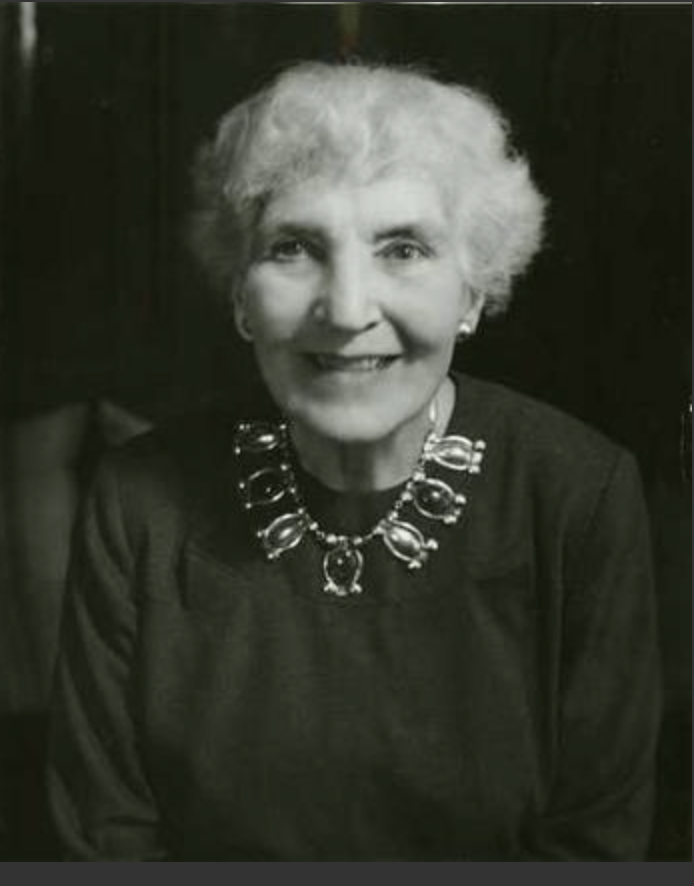
Henrietta Hill Swope – Astronomer

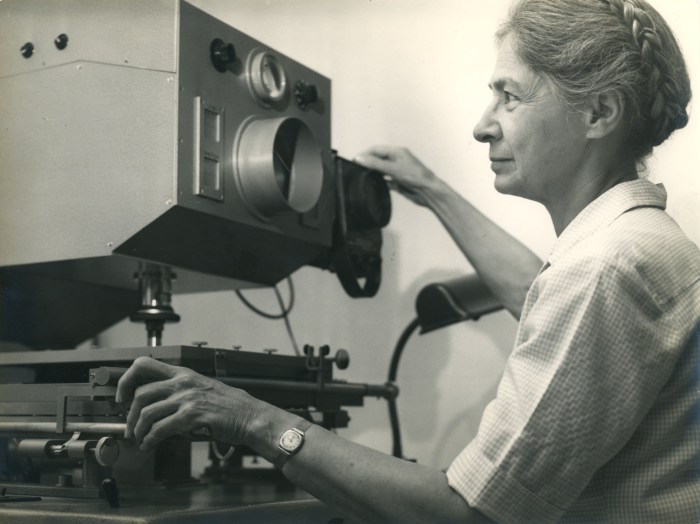
Henrietta Hill Swope, c. 1950s
Courtesy of Kevin Swope

Henrietta Hill Swope
1902 – 1980

Astronomer
Inventor
***Local Connection: The Croft, Teatown, Spring Valley Road***

Henrietta Hill Swope was a quiet, humble, but fiercely driven scientist whose work contributed to our current understanding of the structure of our universe.

Specifically working in the fields of Cepheid variable stars  and photometry, her early work showed that that the Earth and the Sun were not at the center of the Milky Way galaxy as previously believed.  From there, she surveyed all the variable stars within the Milky Way, thus tracing out the structure of that galaxy, something that had never been done before.  She also helped invent LORAN, and contributed to the creation of a new technique to simply and accurately determine the distance of stars and galaxies from Earth.

Born in St. Louis, MO in 1902 to Gerard and Mary Hill Swope, Henrietta came from an extraordinary family.  Her father was a financier and president of General Electric, while her uncle, Herbert Bayard Swope, was a Pulitzer-prize winning journalist, war correspondent and newspaper editor.  Her mother was a Bryn Mawr graduate who would go on to study with the pioneering educator John Dewey, and later work for Jane Addams at Hull House in Chicago.  

Henrietta became interested in astronomy as a young girl, and was taken to the Maria Mitchell Observatory on Nantucket where she heard lectures from Harvard’s Dr. Harlow Shapley and others.

Henrietta went off to Barnard College, where she majored in Mathematics and was graduated in 1925. (She said she chose Barnard because she “didn’t have any Latin.  My father didn’t believe in any Latin. He thought I should spend that time on either sciences or modern languages.”[1])

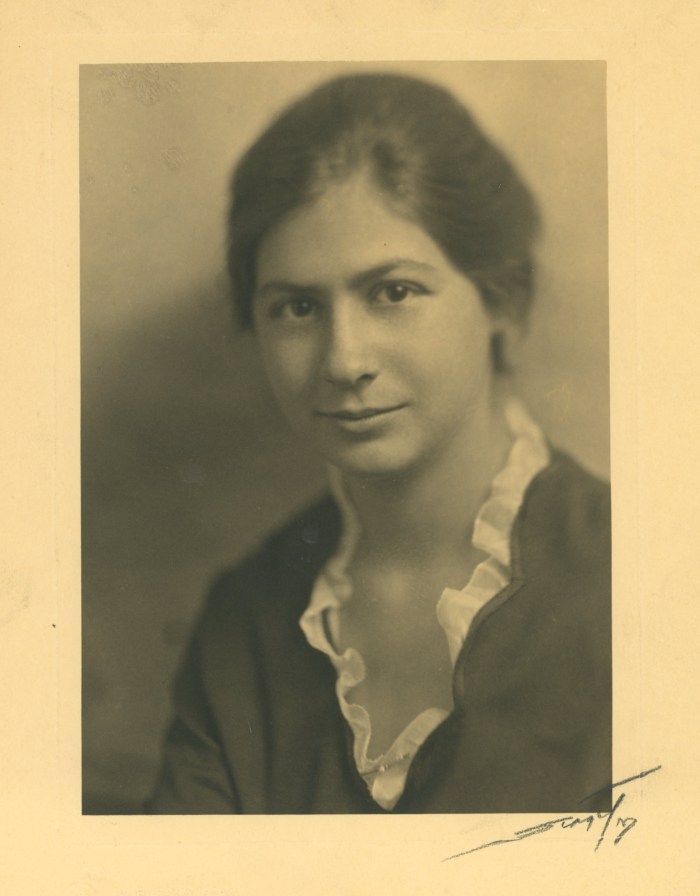
Henrietta Hill Swope
Barnard Class of 1925
Photo Courtesy of Kevin Swope

In 1927, though she had only taken one course in astronomy, a friend alerted her to a fellowship offering for women only sponsored by Dr. Harlow Shapley at the Harvard College Observatory (HCO).  She applied and was quickly accepted. (Her initial interpretation was that he was reaching out to women specifically because he “wanted some cheap workers.”  Ahem.)[2]  

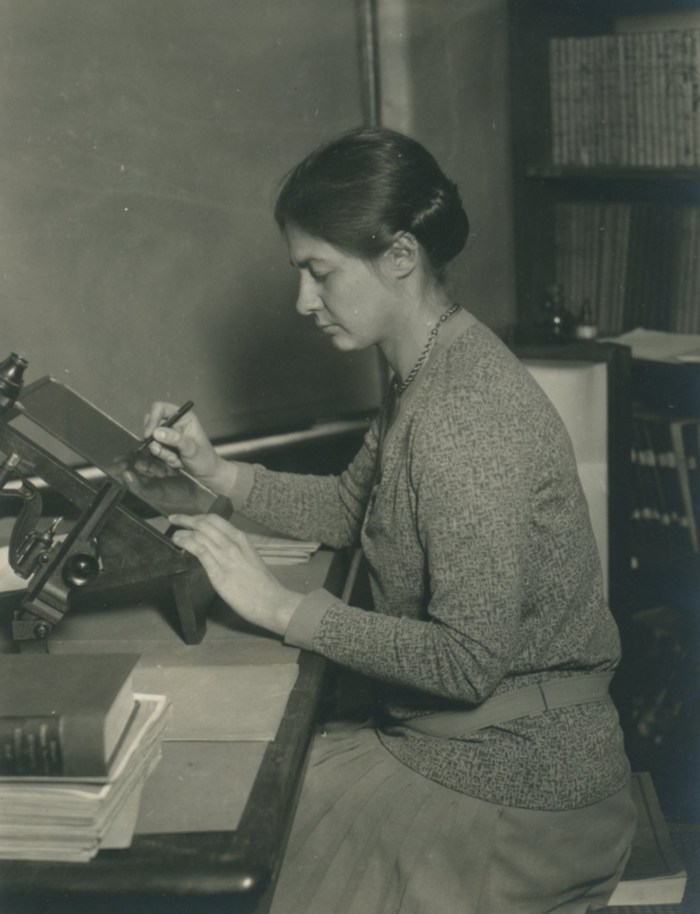
She became Shapley’s first assistant, and while she looked for variable stars on photographic plates taken via the HCO telescope, she earned her Master’s in astronomy from Radcliffe College in 1928.

At the Harvard College Observatory, c. 1930s
Looking for variable stars
Courtesy of Kevin Swope

The following year, she became famous when she identified 385 new stars, accurately revealing the composition of the Milky Way galaxy.  By 1934, she was in charge of all the Harvard programs on variable stars which were central to much of the astronomical research at the time.

In 1942, she left Harvard to work at MIT in a radiation laboratory, and the following year was recruited by the US Navy to work on a secret project which would come to be known as LORAN (Long Range Aid to Navigation.)  This innovative technology allowed navigators to use radio signals from multiple locations to fix a precise position.  She was appointed head of LORAN Division at the Navy Hydrographic Office in Washington, DC for the duration of the World War II.

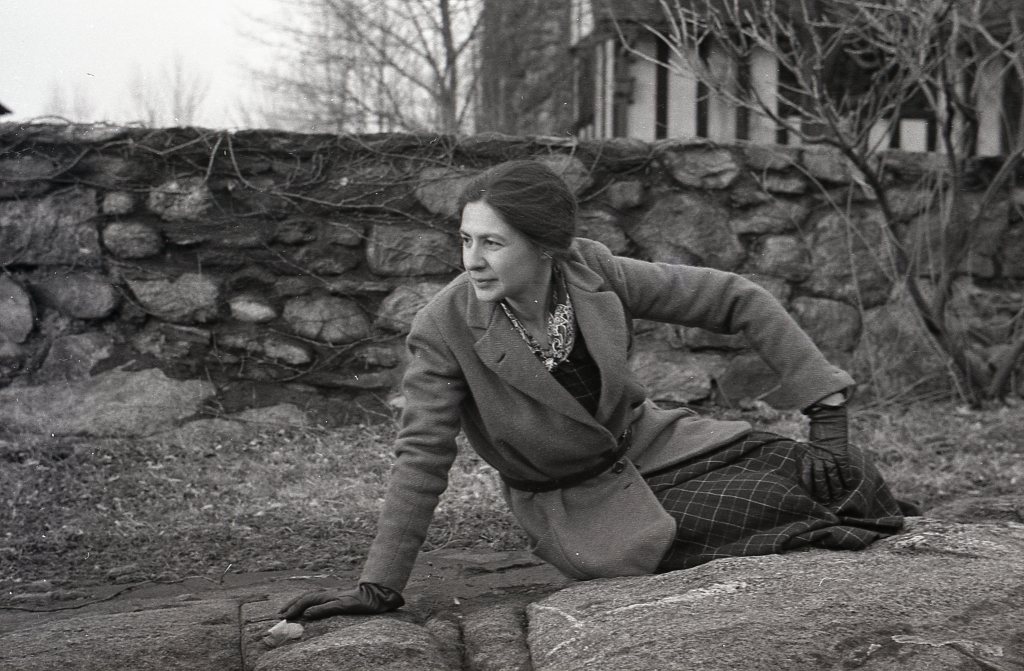
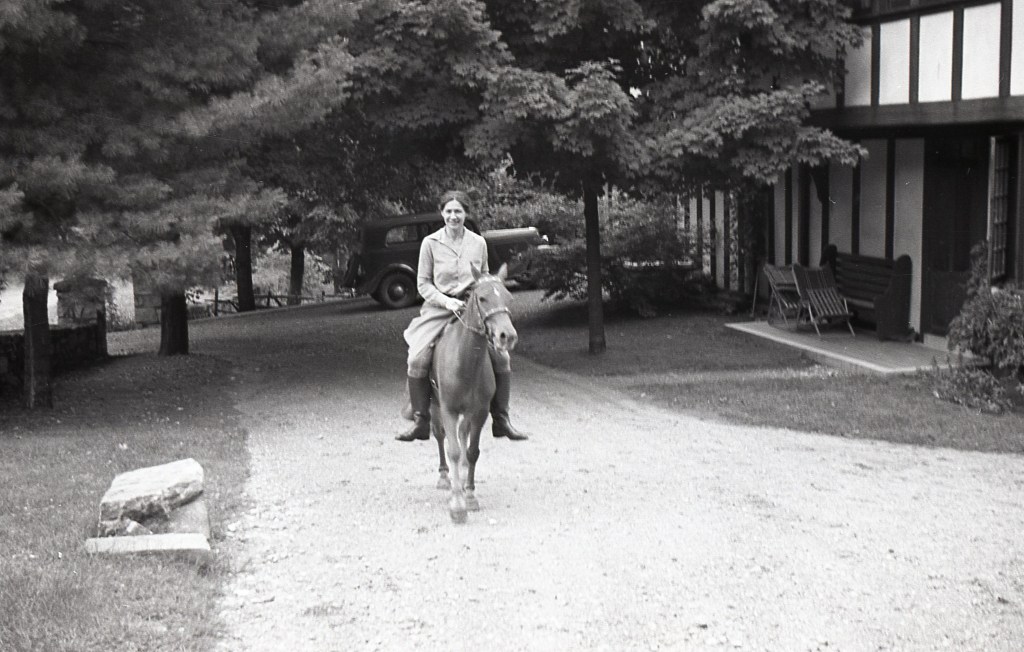
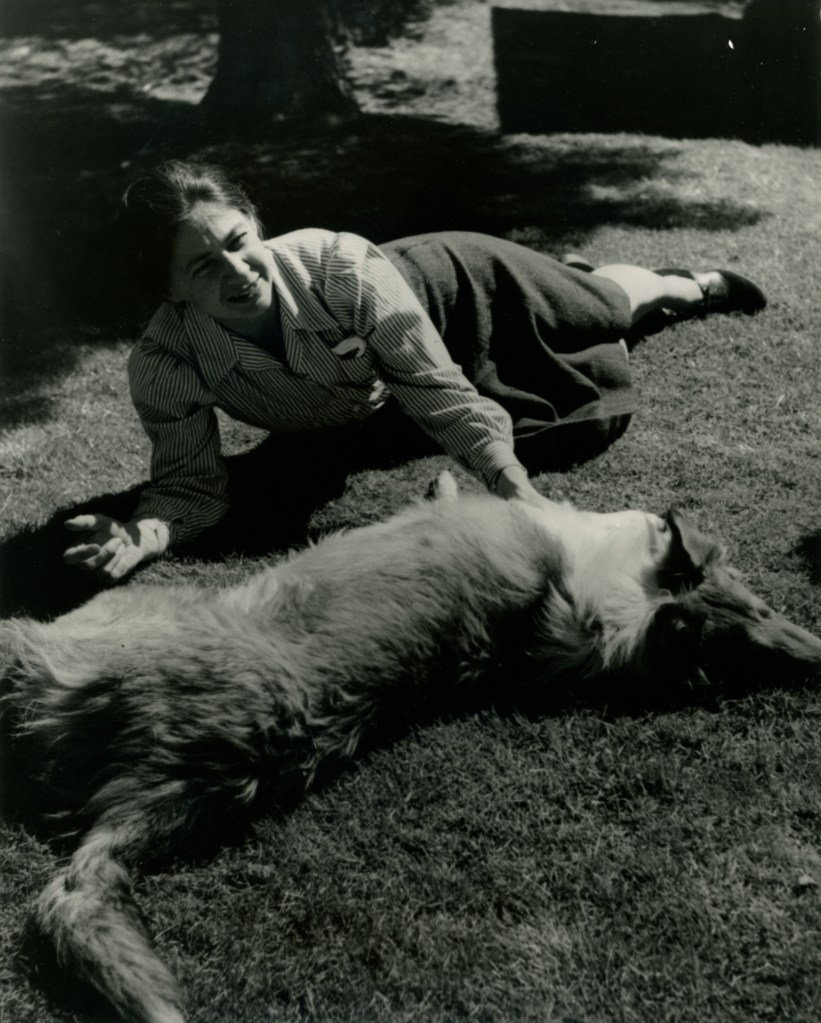
Post-WWII, she would teach astronomy at Barnard College, then relocate to California to work as a research fellow at the Mt. Wilson and Palomar Observatories, as well as teach at the California Institute of Technology (CalTech).   She would visit her family’s home The Croft in Ossining a few times a year, and is remembered by a niece as being “no frills. Very sweet, otherworldly, and decidedly bluestocking, none of us knew how accomplished she was or how important her work was.”

Henrietta Swope at The Croft, c. 1930s/40s
Courtesy of Kevin Swope

During this time, Swope’s research focused on determining the brightness and blinking periods of Cepheid variable stars, and the quality and precision of her work allowed other astronomers to use these stars as “celestial yardsticks” with which to rapidly measure celestial distances. Swope herself used them to determine that the distance from earth to the Andromeda galaxy is 2.2 million light-years.

She remained at the Mt. Wilson Observatory and CalTech until her retirement in 1968.

In the 1970s, she donated funds to the Carnegie Institute of Washington to aid in the development of the Las Campanas Observatory in Chile.

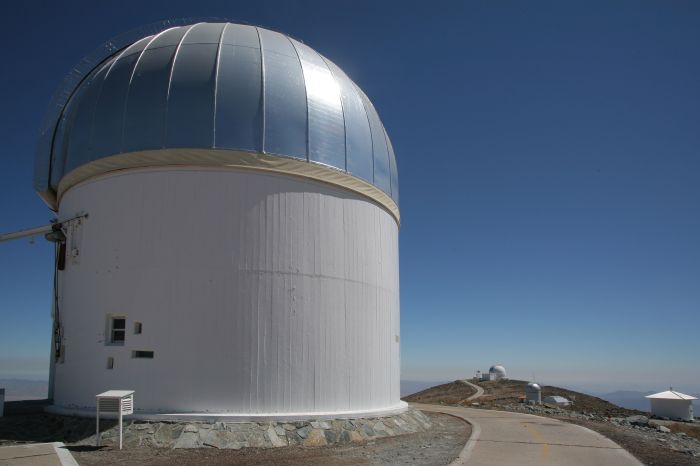
The Henrietta Swope Telescope in Las Campanas, Chile

The 40-inch  Henrietta Swope Telescope began operation in 1971 and though Swope died in 1980, she continues to help people look to the stars.


[1] Interview with Dr. Henrietta Swope, By David DeVorkin at Hale Observatories, Santa Barbara State August 3, 1977.  https://web.archive.org/web/20150112054849/http://www.aip.org/history/ohilist/4909.html

[2] IBID

Dr. Ruth Murray Underhill – Anthropologist

Dr. Ruth Murray Underhill
Courtesy Denver Museum Nature and Science Center

Dr. Ruth Murray Underhill
1883 – 1984

Red Cross Volunteer WWI
Anthropologist
Author
Professor
Television/Radio Host

***Local Connection:  Linden Avenue***

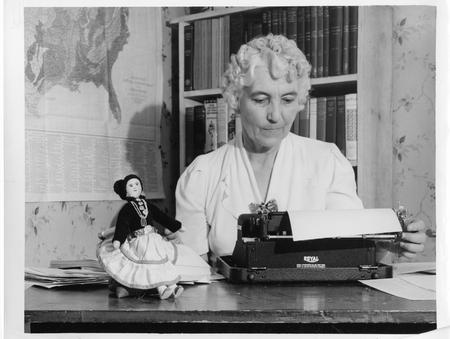
Ruth Murray Underhill was an anthropologist known for her work with Native Americans of the Southwest.  She was also a social worker, a writer, a Supervisor at the Bureau of Indian Affairs, a professor, and a local television/radio host.  Multi-lingual, Underhill spoke several Western languages, including O’odham and Navajo.
 
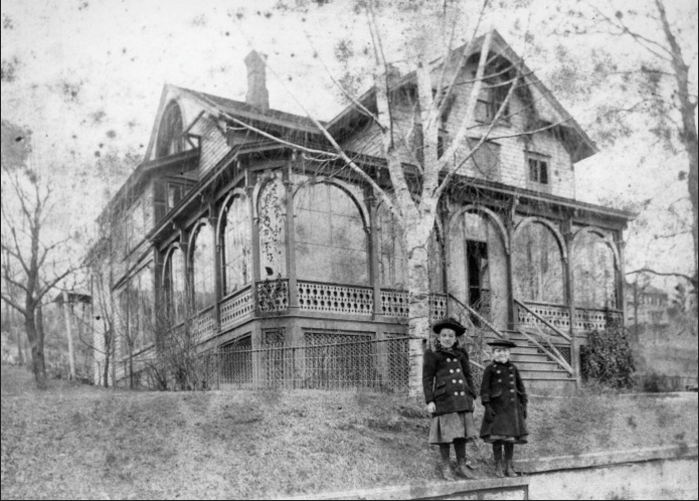
Underhill was born in Ossining in 1883. She grew up on Linden Avenue in the rambling Victorian home built by her father in about 1878. (The building still stands today.)

Ruth Murray Underhill and sister Margaret 
in front of the family home on Linden Avenue
c. 1890
 Courtesy of the Denver Museum of Nature & Science

The daughter of Abram S. Underhill and Anna Murray Underhill, her pedigree stretches back to one of the earliest European settlers of this country – Captain John Underhill, who arrived in 1632.  And, according to a 1934 article in the Democratic Register, going even further back, the Underhills were related to a William Underhill of Stratford-upon-Avon who reportedly sold William Shakespeare his home.  
(It is impossible to ignore the irony that this woman, who spent much of her adult life studying and recording the language and culture of Native Americans, was directly related to Captain John Underhill, a man infamous for his brutal tactics against the Native Americans in the 1600s.  He led several bloody massacres and murdered hundreds (if not thousands) of Lenape during the Dutch era in New York State.) 
 
Ruth Underhill attended the Ossining School for Girls (located just across the street from today’s Ossining Public Library):

She would go on to study at Vassar College, graduating in 1905. 

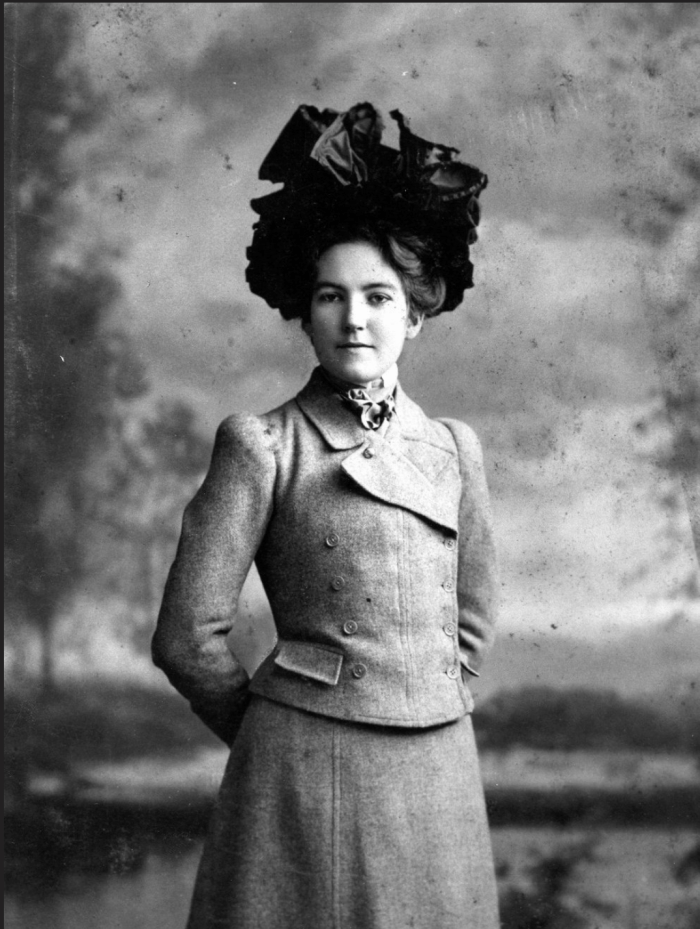
Ruth Murray Underhill, c. 1900
Courtesy of the Denver Museum of Nature & Science

But, as she wrote in her memoir An Anthropologist’s Arrival
 
“I did not start with a career and a goal in mind, not even the goal of marriage – for nice girls did not know whether they would be asked or not. I pushed out blindly like a mole burrowing from instinct.  My burrowings took me to strange places and now in my last hole I am trying to remember how I bumbled and tumbled from one spot to another. This is the story for those friends who wondered how I could even have started the bumbling, for many girls of my era did not.”
 
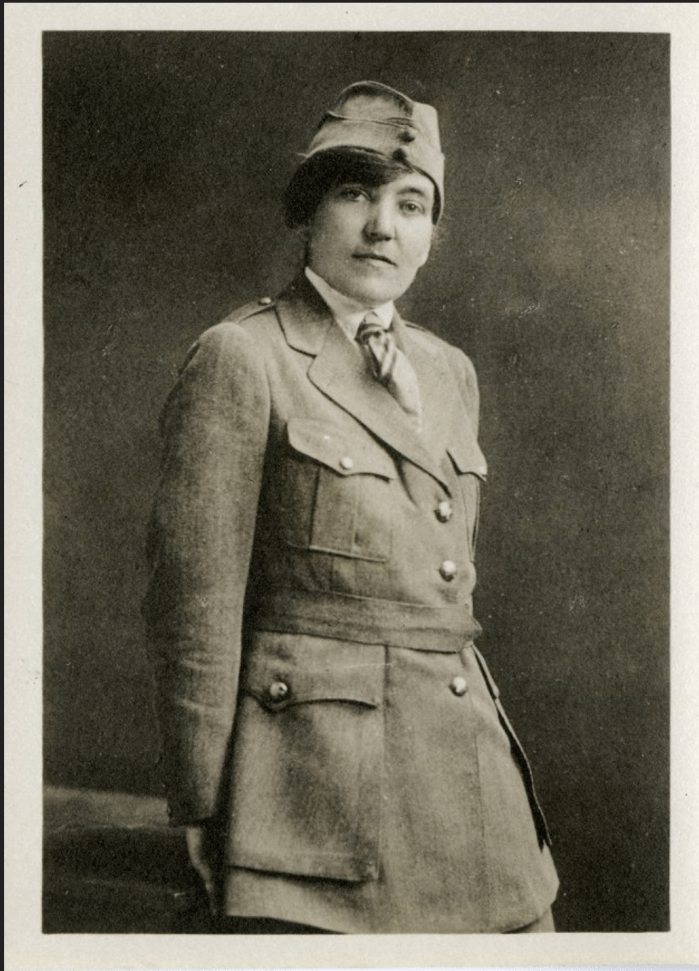
She spent the next decade searching for her calling – briefly serving as a social worker first in Massachusetts, then in New York City, then traveling around Europe with her family. When World War I broke out, she volunteered for the Red Cross, organizing orphanages for the children of Italian soldiers killed in battle.

Ruth Murray Underhill in Red Cross Uniform, c. 1917
Courtesy of the Denver Museum of Nature & Science

In 1919 she married Charles Crawford, but she described it as a loveless marriage on both sides that would end in divorce a decade later. 
 
At age 46, Underhill went back to school, enrolling in a graduate program at Columbia University.  

Ruth Murray Underhill c. 1930s

In her memoirs, Underhill tells the story about how she ended up studying anthropology: 

“I am no longer quite sure which departments I visited before anthropology. I think they were sociology, philosophy, and economics. What I said to them in substance was: ‘I find that social work is not doing what I thought it did. I wonder if what you teach would really help me to understand these people. I want to understand the human race. How did it get into the state it is in?’

Upon asking this question of Dr. Ruth Benedict, a well-respected professor in the anthropology department, she found her answer: “You want to know about the human race? . . . Well, come here. That is what we teach.”
 
At the time, the chairman of Columbia’s anthropology department was Dr. Franz Boas, considered by many to be the “father of modern anthropology.” He seems to have been unusually encouraging towards female students – Margaret Mead and Zora Neale Hurston, among others, who studied with him. Both Boas and Benedict would encourage Underhill to pursue a PhD. [Fun Fact: Dr. Boas is buried in Ossining’s Dale Cemetery.]

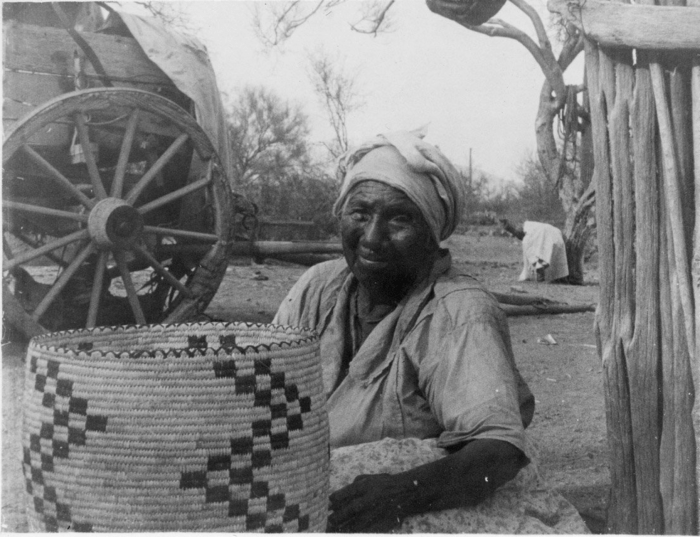
In 1936, Boas financed field work for Underhill to go to Arizona to study the Papago (today known as the Tohono O’odham.) Out of this work came Underhill’s doctoral thesis “Social Organization of the Papago Indians” and the first published autobiography of a Native American woman, Autobiography of a Papago Woman. Living with and studying the Papago in southern Arizona for several years, she became close to Maria Chona, an elder and leader of her tribe.   

Maria Chona, Elder of the Papago (Tohono O’odham) c. 1936
Courtesy of the Denver Museum of Nature & Science
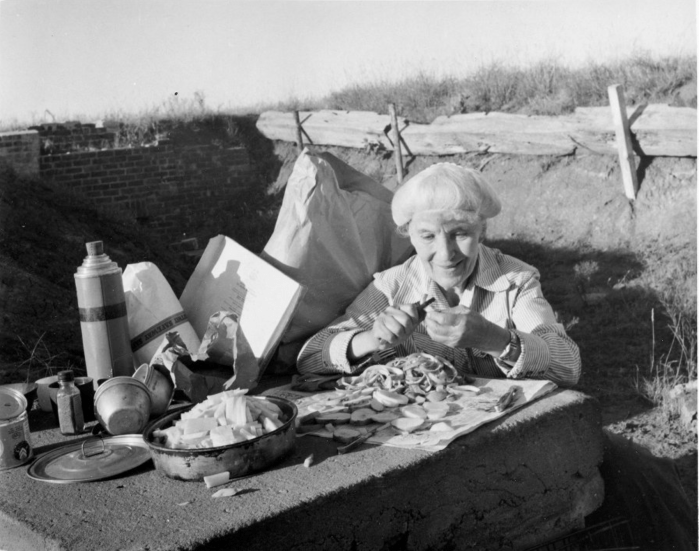
Dr. Underhill peeling potatoes at her campsite in Arizona, c. 1936
Courtesy of the Denver Museum of Nature & Science

In her book, Underhill documented the rites, ceremonies and history of Chona and her tribe.  Underhill even wrote about the rituals surrounding menstruation, which must have been deeply shocking for her readership at that time.

Underhill received her doctorate in 1937 and began studying Navajo culture.

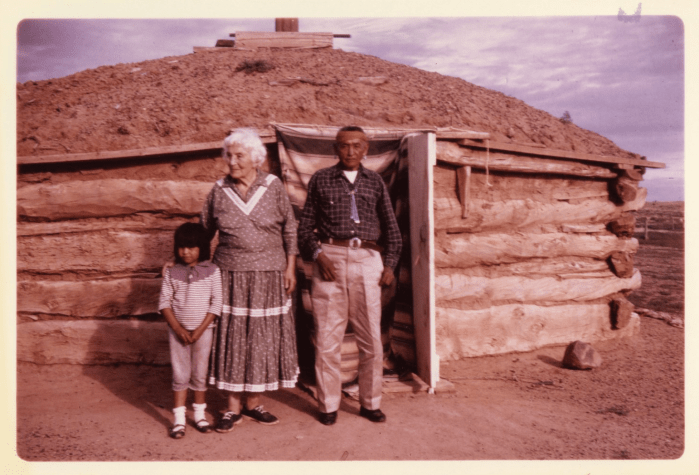
Dr. Underhill with members of the Navajo nation, c. 1940s
 Courtesy of the Denver Museum of Nature & Science

From there, she went on to work for the Bureau of Indian Affairs, becoming Supervisor of Indian Education and helping develop curricula for Native American reservation schools. 

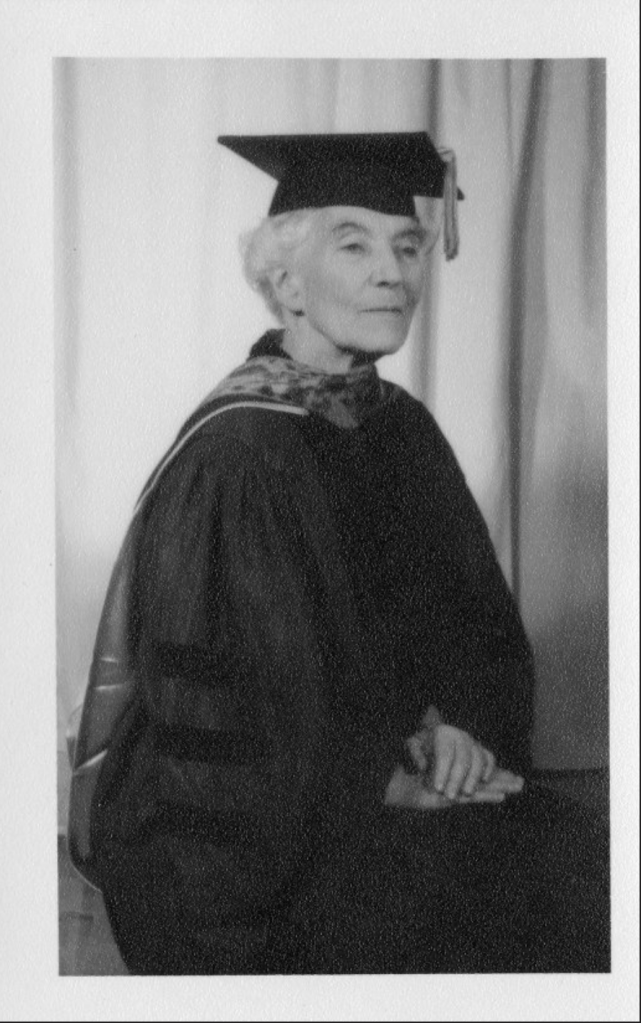
In 1948 Underhill became a Professor of Anthropology at the University of Denver, but “found the students languid.”  

Dr. Underhill in cap & gown for a University of Denver Commencement, c. 1950
Courtesy of the Denver Museum of Nature & Science

She would retire from the University just five years later and travel the world solo.

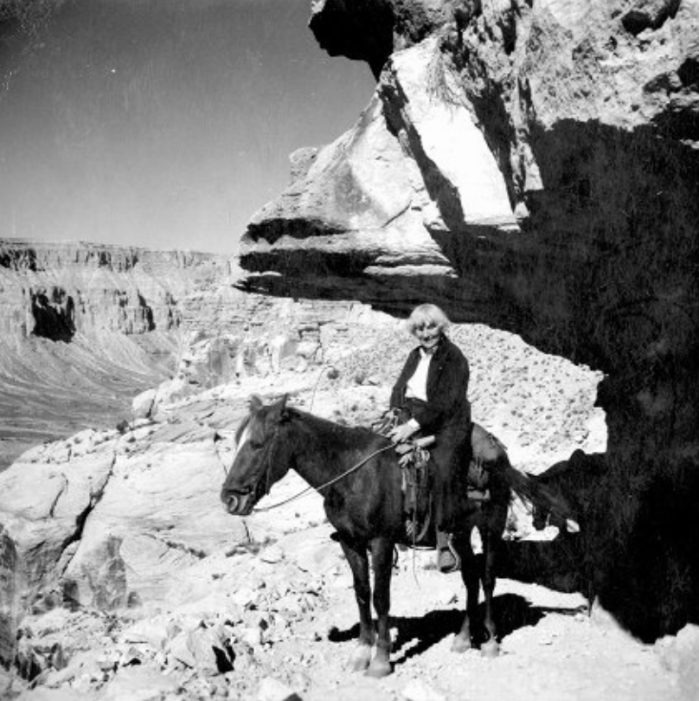
Dr. Underhill at the Rainbow Bridge in Arizona, c. 1950
Courtesy of the Denver Museum of Nature & Science

Upon returning home, she would write what is considered her seminal work, Red Man’s America – a textbook on Native American cultures and histories.  

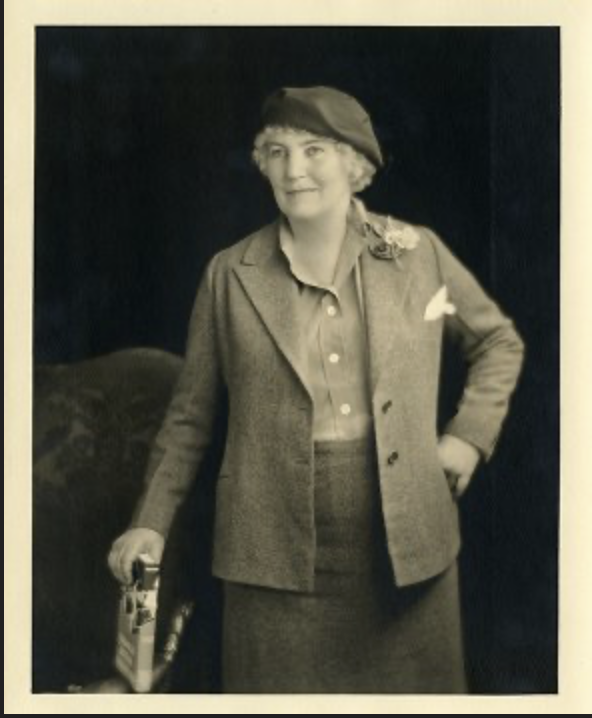
Dr. Underhill c. 1950s
 Courtesy of the Denver Museum of Nature & Science

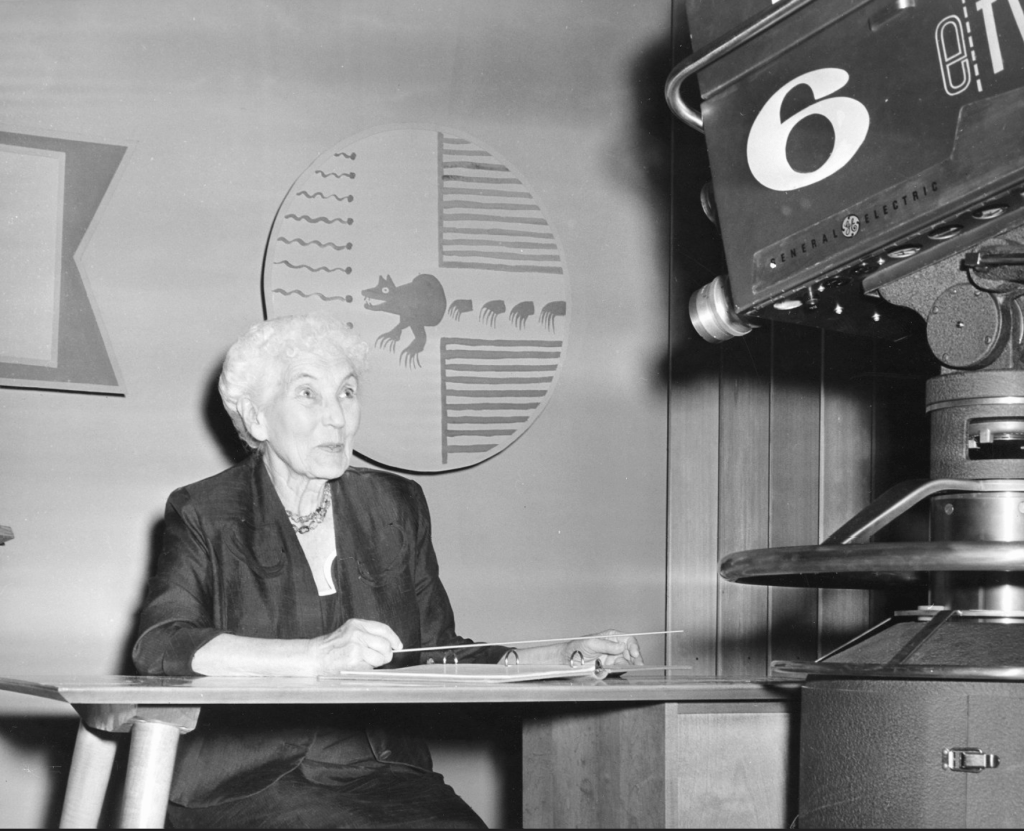
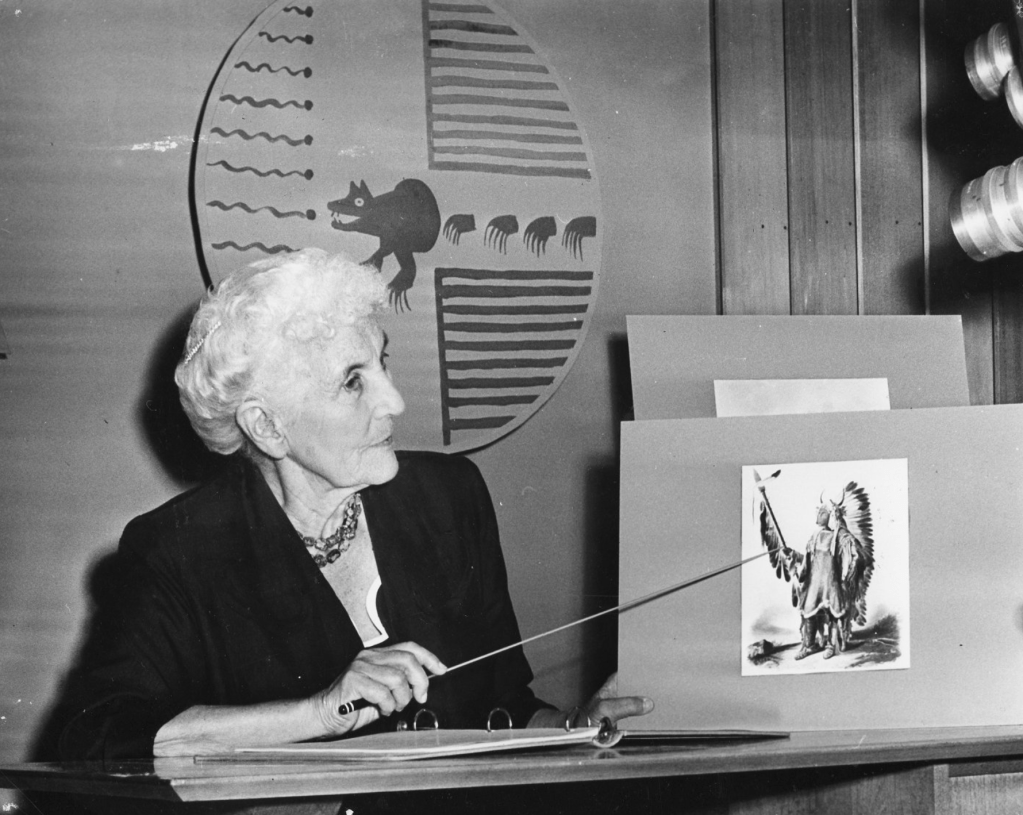
On the strength of that, she was asked to host a public television program of the same name that ran from 1957 – 1962.

Dr. Ruth Murray Underhill on TV c. 1957 
 Filming “Red Man’s America” for KRMA-TV channel 6, an educational TV station owned and operated by the Denver Public Schools.
 Courtesy of the Denver Museum of Nature & Science

Underhill would stay in contact with the members of the Papago and in 1979, they honored her with the following:

“It was through your works on the Papago people that many of our young Papagos, in search of themselves, their past, their spirit have recaptured part of their identities. Your works will continue to reinforce the true identity of many more young people as well as the old.   It is with this in mind that we wish to express our deep sense of appreciation.”

She would die just shy of her 101st birthday.

Barnard College Camp on Journey’s End Road

camp_c40s

Did you know that Barnard College maintained a camp on Journey’s End Road from 1933 until 1991?  Not I, even though I graduated from Barnard in 1987!

So, follow me back through time to learn more about this well-kept secret . . .

On February 19, 1933, the Brooklyn Daily Eagle ran this tiny story:
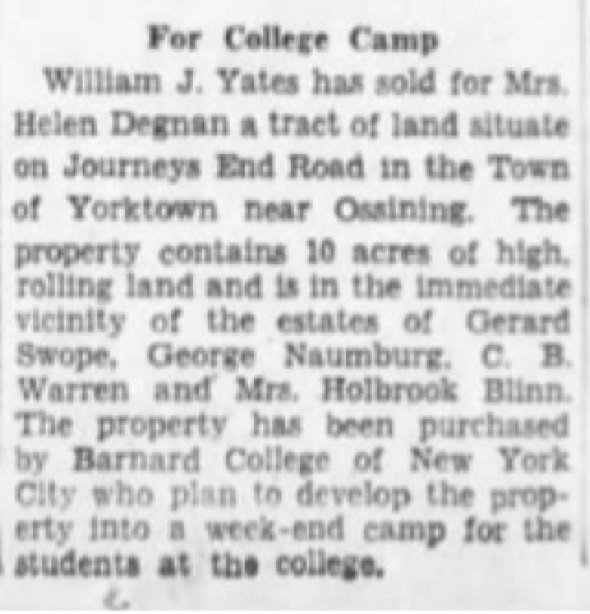
Screen Shot 2016-06-10 at 10.14.33 PM

According to the Barnard College archive,  the College was able to pay the Depression-era price of $9,000 for the above 10 acres of land thanks to a gift from the Alumnae Association:
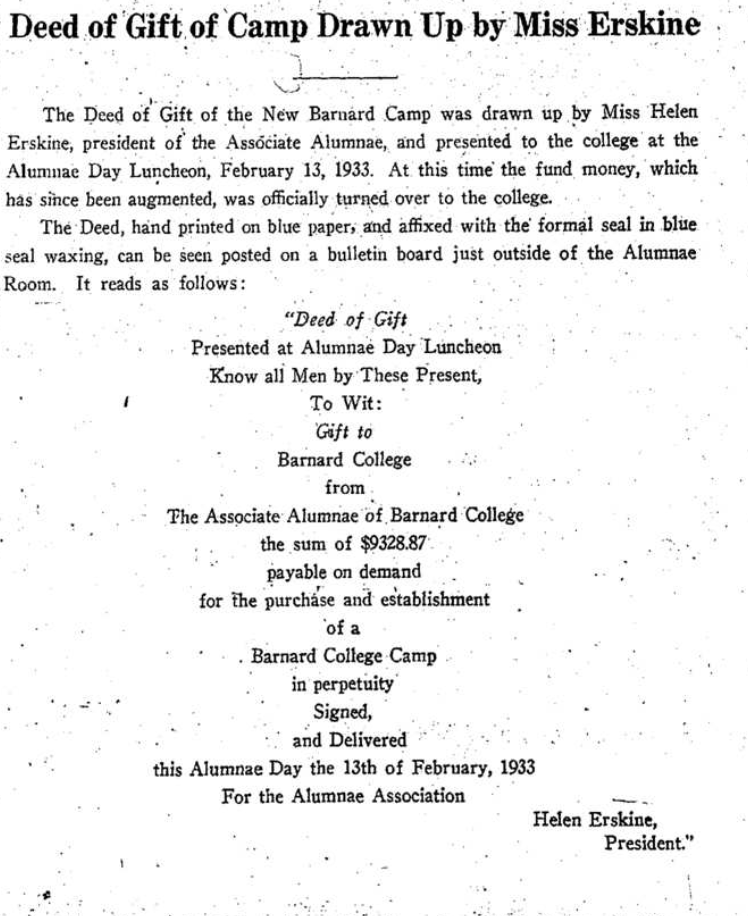
Screen Shot 2016-06-10 at 4.53.34 PM

(Snort! I love the boilerplate language above: “Know all men by these present . . .”  Ha!  It’s a women’s college, with money all coming from alumnae, presented at an alumnae luncheon!  Oh English language, why so binary?)

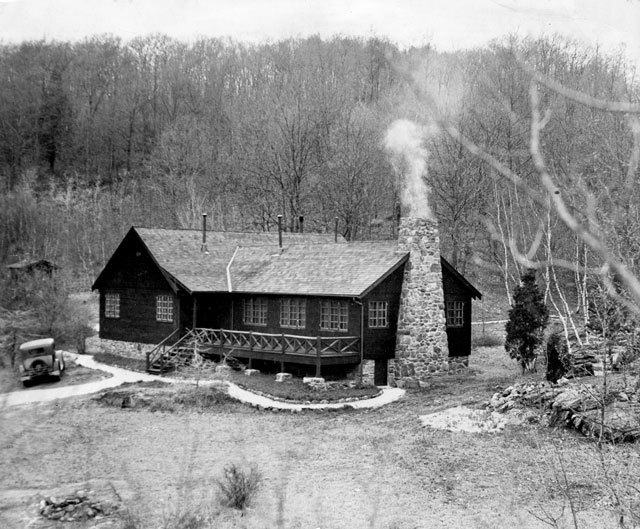
A simple log cabin was built by the Adirondack Log Cabin Company, and the camp officially opened on October 15, 1933.

Check out these cool photos of the cabin being built:
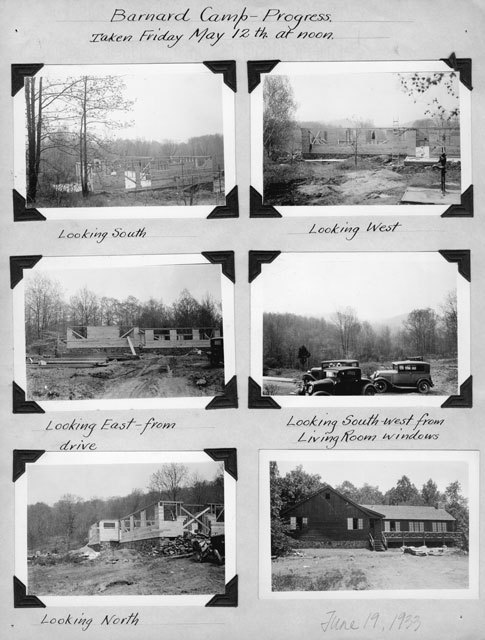
camp_construction33

Able to sleep 10 – 15 students in two bunkrooms, everything about the camp was rustic in the extreme.  The only heat came from wood stoves and a stone fireplace, with all firewood chopped by the students:
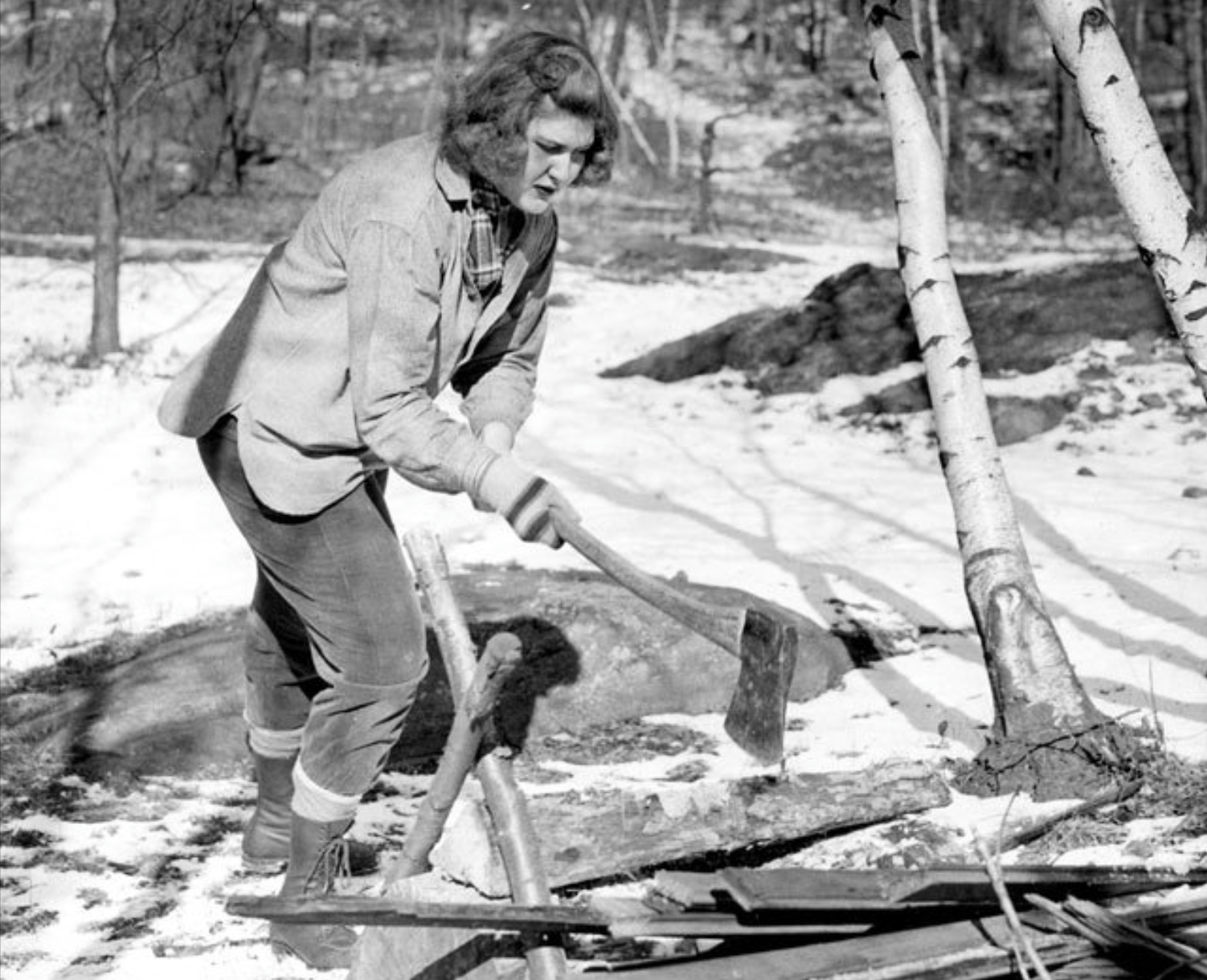
Screen Shot 2016-06-10 at 9.16.12 AM
I did not expect this when I applied to Barnard!

and carried to the cabin:
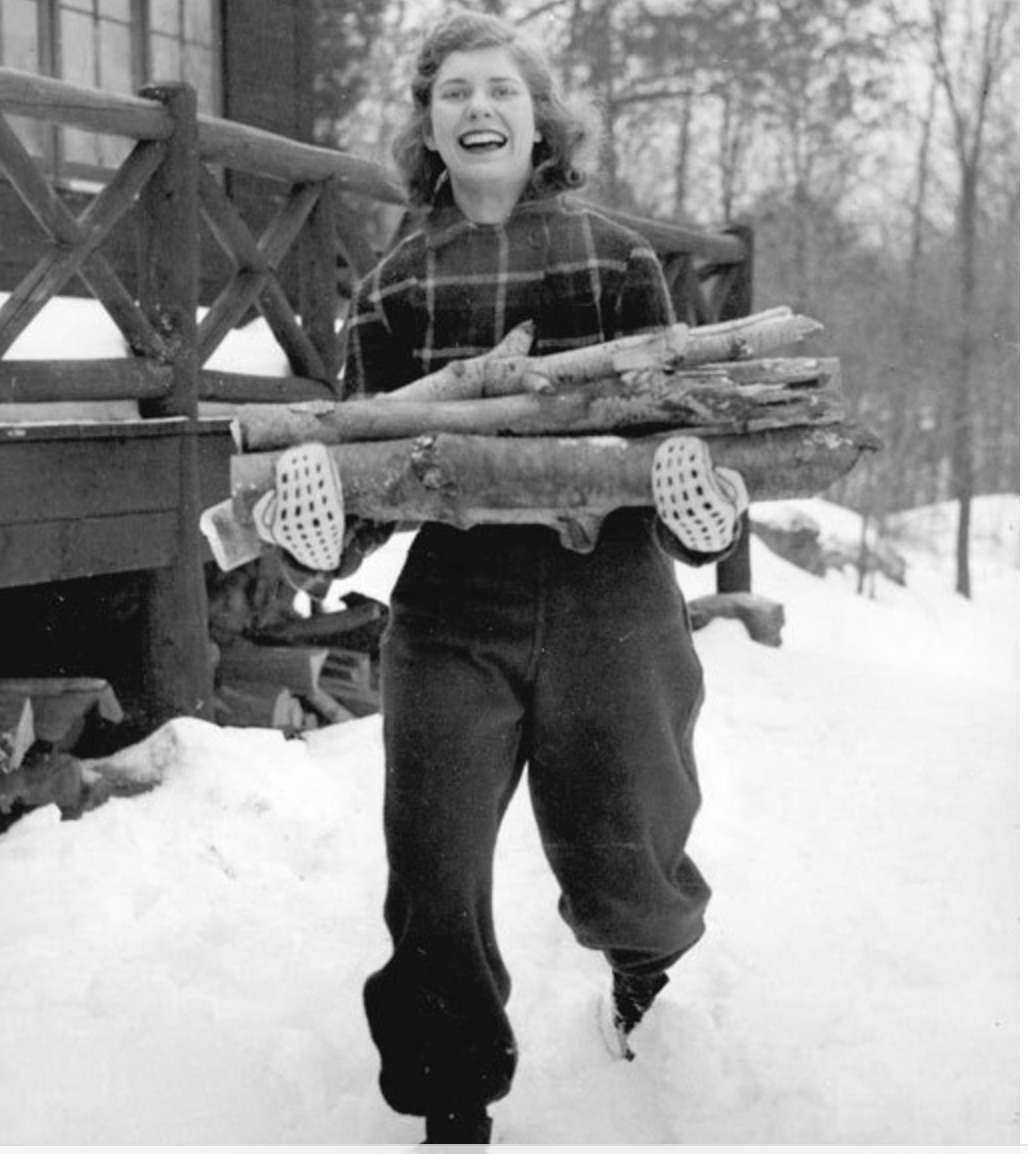
Screen Shot 2016-06-10 at 9.38.35 AM
Hey, winter is FUN!

All food was cooked by students over fire pits:
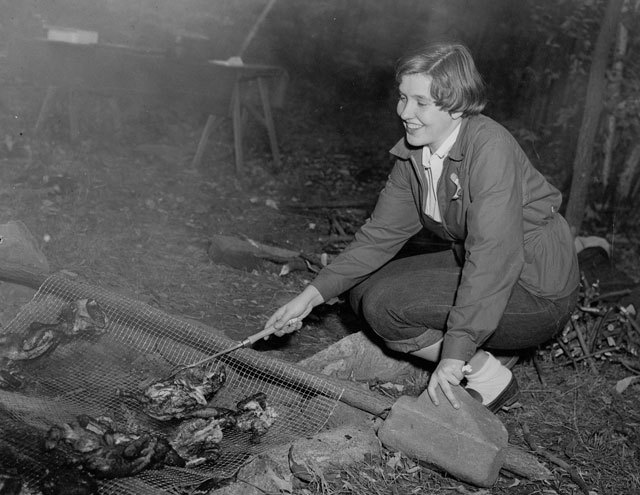
camp_chicken50
 Mmm, Yum! I love squirrel

or on a stove that was probably old-fashioned even then:
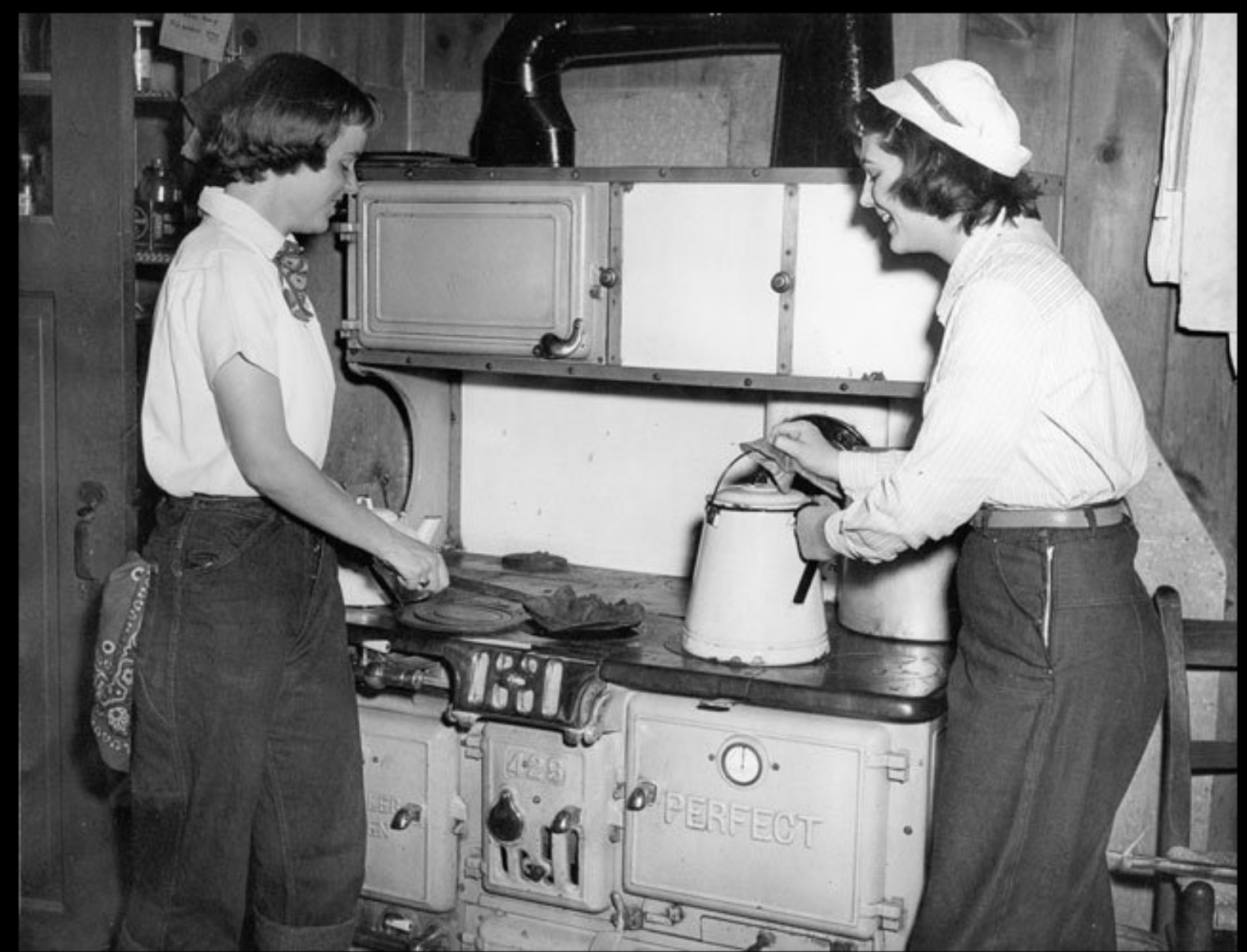
Screen Shot 2016-06-10 at 9.15.54 AM
Ooh, lovely, this kettle should be boiling in just under an hour!

Every drop of water was hauled by students from an outdoor pump:
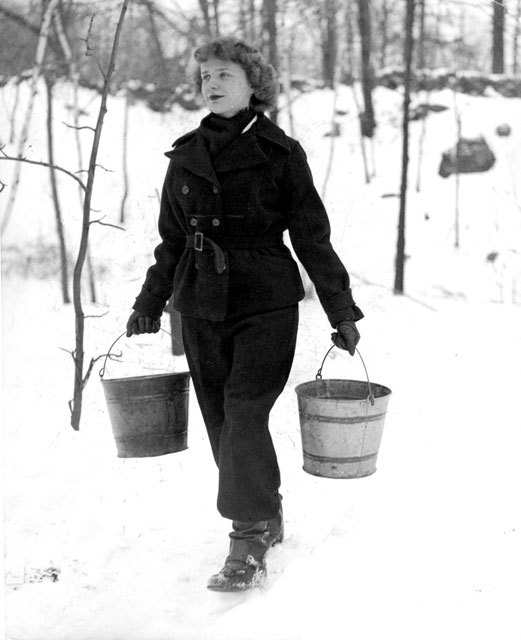
camp_pails44
                        Why am I always the one elected to do this?

And with no running water in the cabin, bathing took place in a nearby lake (when it wasn’t frozen, I assume,) and outhouses were the only waste facilities.

Sounds kind of delightful in the Spring and Fall, doesn’t it?  However, these hardy Barnard women enjoyed the cabin year round!

Later on, three campsites with shelters were added for the truly stalwart who found the whole cabin experience too soft:
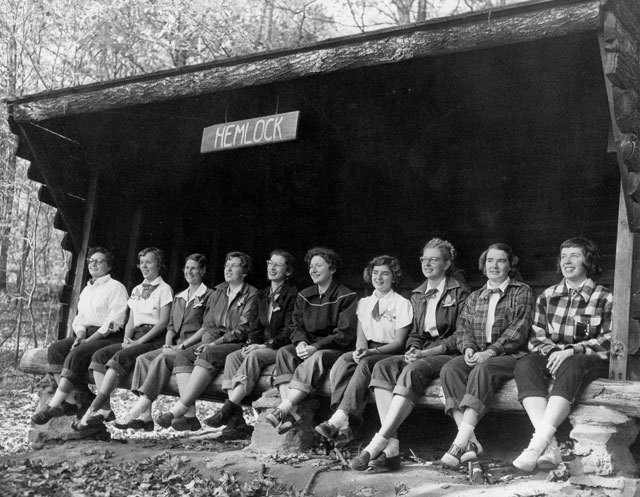
camp_hemlock50    We don’t need no stinking walls!

The Administration was thrilled with their new camp, the fruition of a ten-year quest.

(I could go on to document the previous incarnations of the Barnard Camp, which dated back to 1917 and World War I.  With able-bodied men being sent overseas to fight, the shortage of male farm workers affected food production.   So Dr. Ida Ogilvie, a Barnard geology professor, formed a chapter of the “Women’s Land Army” on her Bedford Hills farm.  Barnard students, dubbed “Farmerettes,” spent weekends in the fresh country air tilling the soil and harvesting crops.  Later, other outdoorsy weekend retreats were held at a farmhouse in Ossining, and at the Bear Mountain Inn.  But I’ll stop here before your eyes completely glaze over.)

On Oct. 6, 1933, a special “Camp Supplement” issue of the school newspaper, the Barnard Bulletin, was published, which sang the praises of the new retreat: “Strangely and fittingly enough,” wrote Professor Agnes Wayman in the lead article, “The road that passes the property and ends at a private lake is called ‘Journey’s End,’ and so, the trail has led us to our journey’s end.”

How poetic!

Professor Wayman went on to say that “Camp now deliberately reaches out for the book-worm, the bridge fiend, the indoor girl, the weak sister…each may find friends and activities and peace and quiet and ‘unlax’ in her own way. Camp is the place for the student who wants a change from city life, for the student who wants to get away from It.”

The “bridge fiend?” In college? Goodness gracious me! Times have changed, no?  And I’d hate to be a “weak sister” in that wood-chopping, water-carrying, outhouse-using milieu. But, still, doesn’t it look rather idyllic in the pictures?  (Despite the possible squirrel-grilling.)  In fact, I wouldn’t at all mind  “unlaxing” there for only $5 a weekend!

Sadly, interest for the healthy outdoor life began to dwindle after World War II, and by 1961 a Barnard Camp Report noted that “Past reports have attempted to analyze the limited use of the camp. School pressures; absence of cohesive groups who socialize together; travel time, cost, and difficulty; lack of inside plumbing and adequate heating are valid explanations. The changing nature of the student, as several students have pointed out, accounts in part for their not participating in the experiences that the camp offers. Apparently few are interested in spending a weekend of group living with girls, especially when there are chores and some discomfort.”

Harumpf.  Those soft baby boomers.

Because look how cozy it seemed:
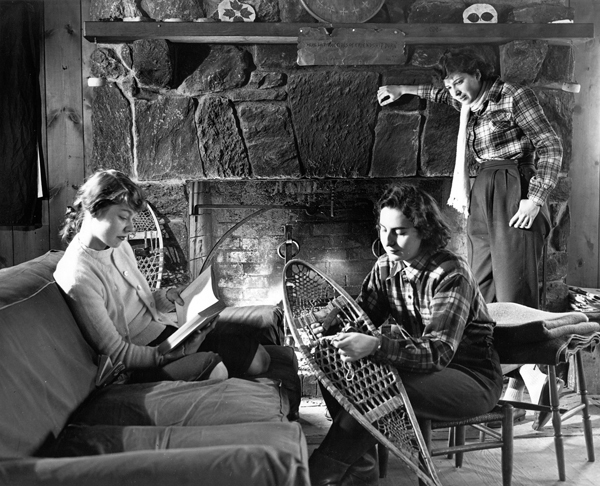
camp_fireside48

And see what fun they had!

Screen Shot 2016-06-10 at 9.20.24 AM

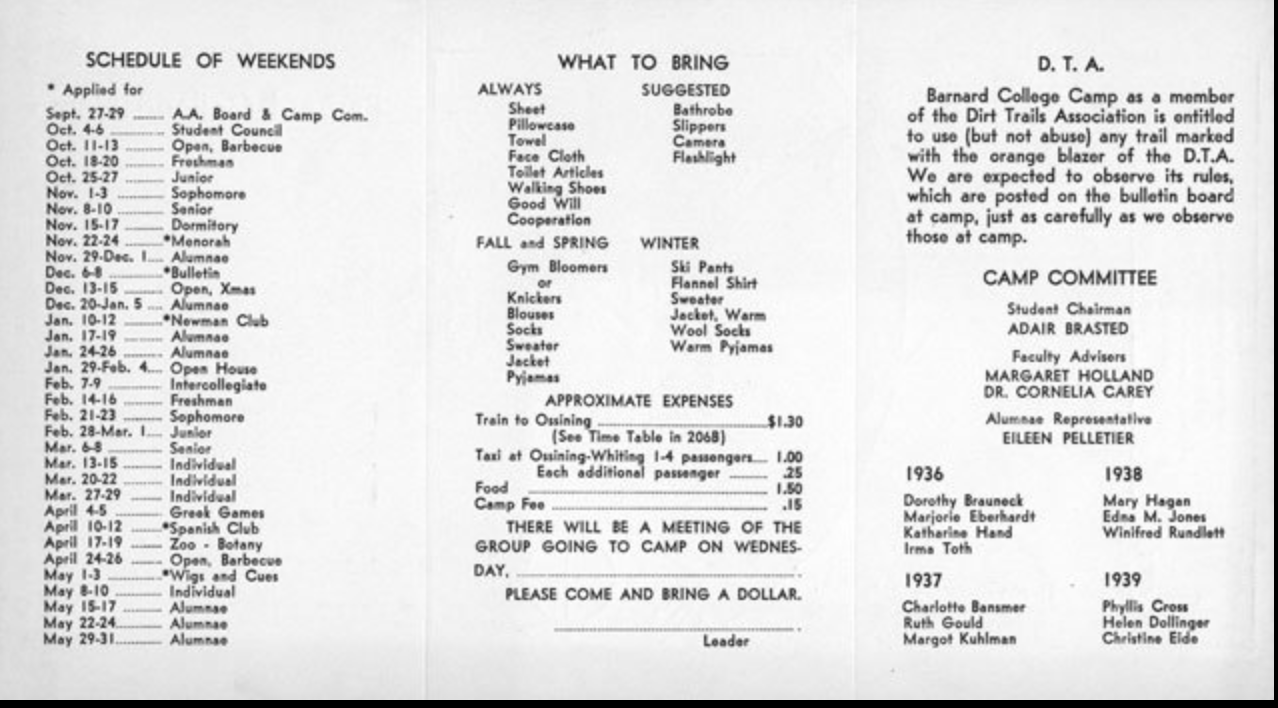
Can you believe it only cost $1.30 to take the train up to Ossining from NYC?

In December 1968, an editorial in the Barnard Bulletin bemoaned the fact that “People have lost their taste for the shared pleasures of fire-building and massive pancake breakfasts. Nowadays the cabin is less often visited than it was in the past, and large groups seldom get together there for a weekend. The times have changed, but, thank God, Holly House remains the same.” (The camp was renamed Holly House in 1963 at the retirement of Margaret Holland, the long-time Physical Education Department Chair and first camp counselor.)
The College kept the camp going for decades, mostly using it for retreats and alumnae events, although students were still supposedly allowed to go there.  If they knew about it.

By 1991, student trips were no longer listed in the student handbook. (I swear, I never saw anything about the camp in my student handbook! Well, truthfully, I probably never read my student handbook.  But still.)

The land was reportedly sold by the college in 1992 — so much for the “in perpetuity” of the existence of a Barnard College Camp. It kills me to think I could have visited the camp in its waning days! But, I confess, I’m not sure how much my well-coddled, 18-year old self would have appreciated bathing in a lake or using an outhouse.

So, file the above under history I’ve run by for years but never knew about until now.

You’re welcome.


All photos from the Barnard Archives and Special Collections