Welcome to the virtual exhibit page for Ossining Women’s History Month 2025!
While the installation at the Ossining Public Library (53 Croton Avenue) is no longer on display, the entire exhibit will live on this blog in perpetuity.
Who are these women?
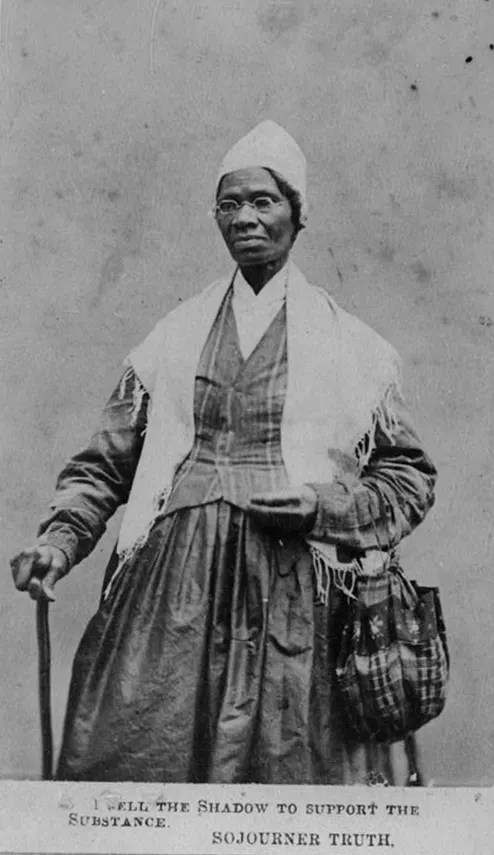
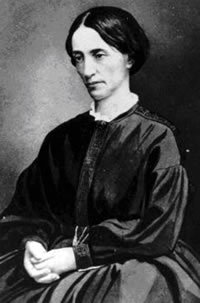
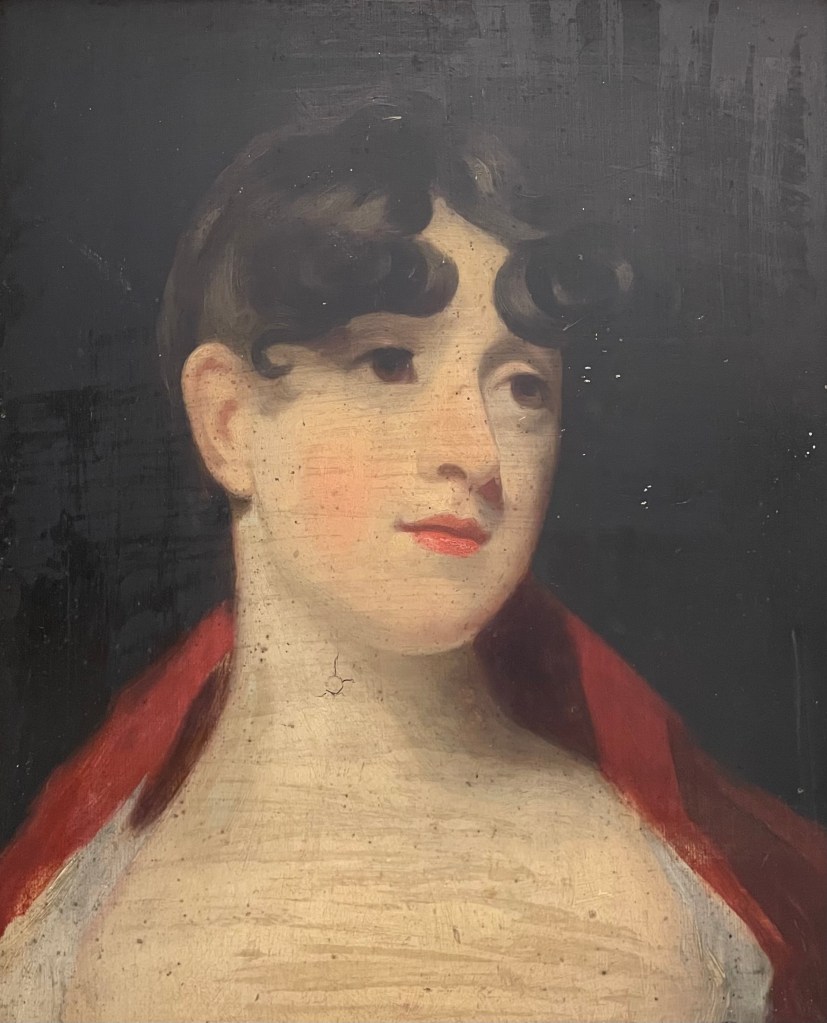
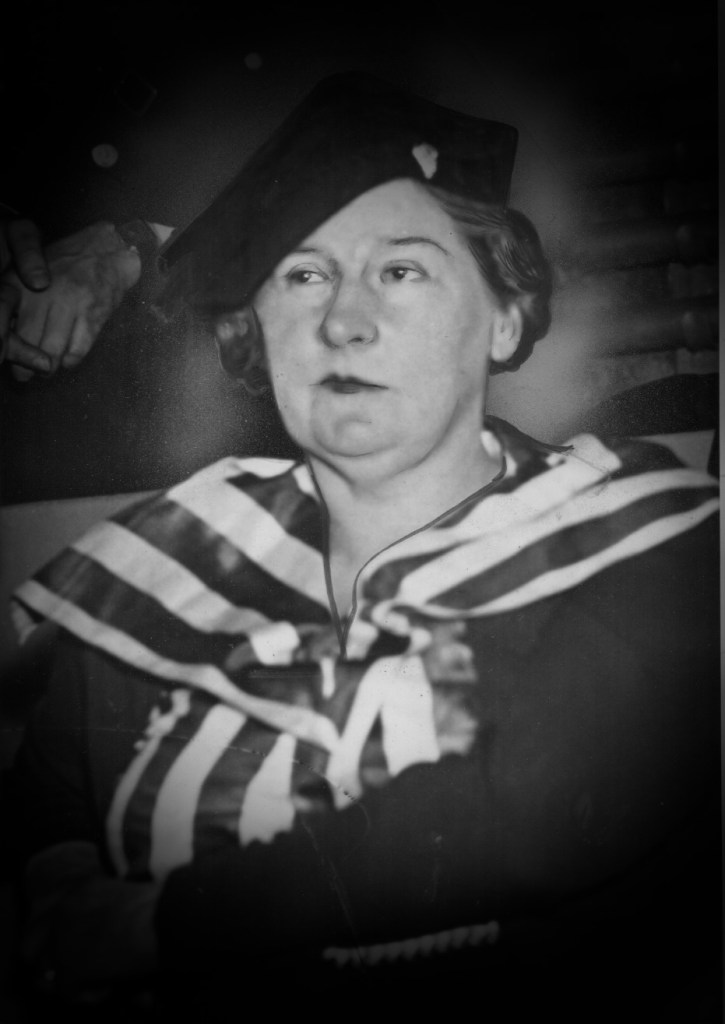
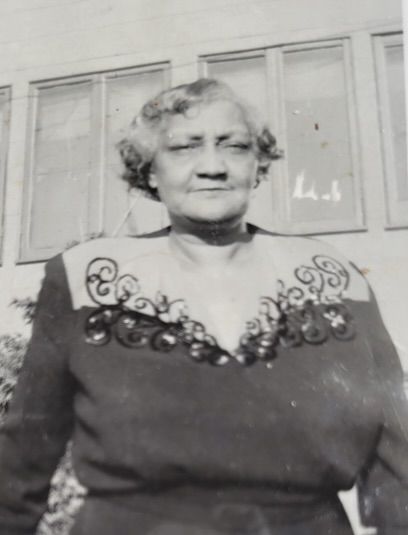
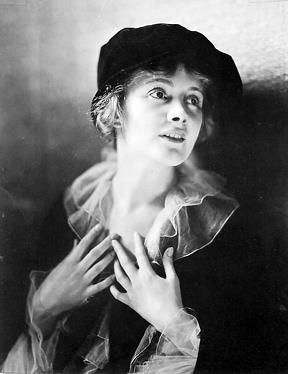
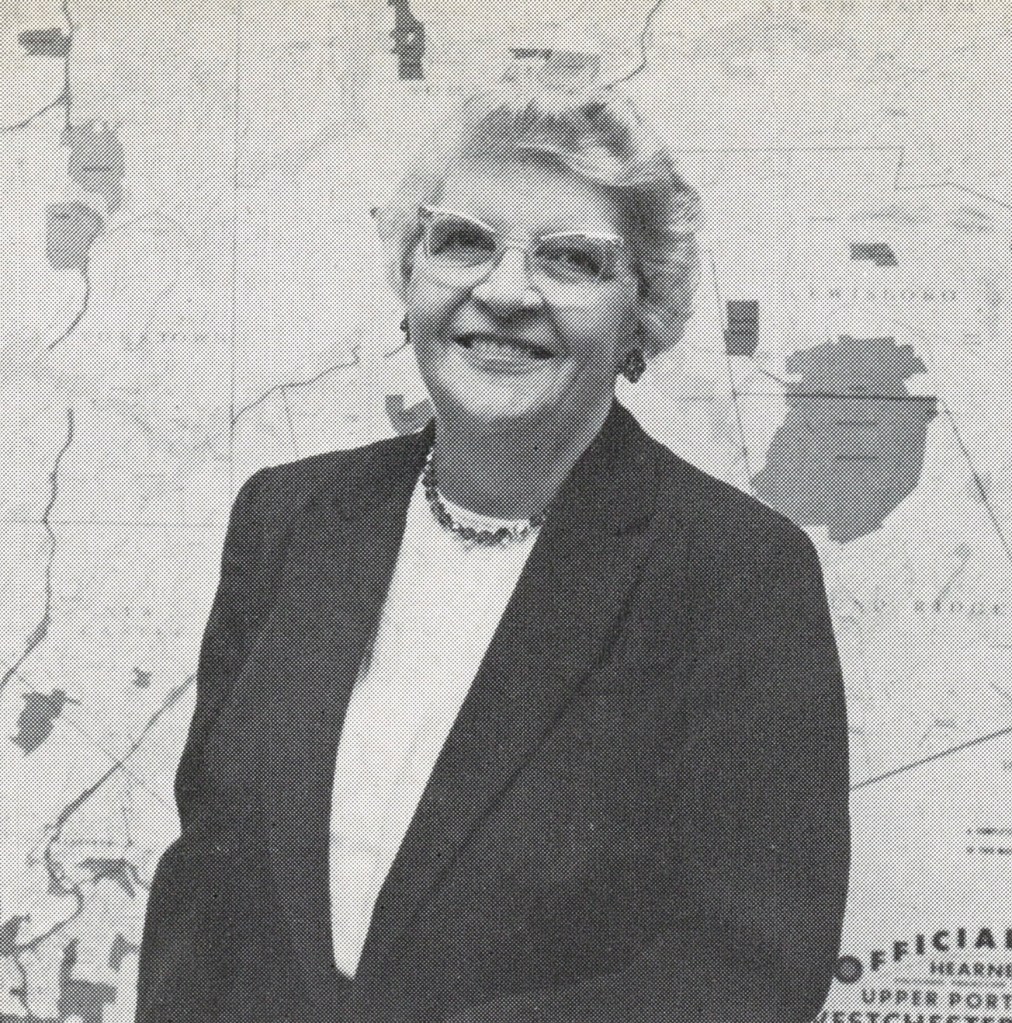
These are all remarkable women local to Ossining who made a big impact in shaping our community and our world. Some are national figures. Some have local streets, schools or parks named after them. And some just did their work quietly. But all have accomplishments that deserve to be recognized and shared.
What will you see?
This is a retooling and enlargement of last year’s exhibit presented at the Bethany Arts Community, with expanded biographies and four more fascinating women included.
These women represent all facets of American life – art, religion, science, politics, military service, activism, and philanthropy. Those with a higher profile in life offer more images and material. Others avoided the limelight (either on purpose or through circumstance) and less is known about them, but this exhibit will help uncover and celebrate all of their remarkable stories.
To learn more about each woman featured, simply click on their names below and you’ll be quickly directed to a page with their detailed biography, including photos and links to further enrich their extraordinary stories.
Enjoy!
Caroline Ranald Curvan Ossining Town Historian & Exhibit Curator
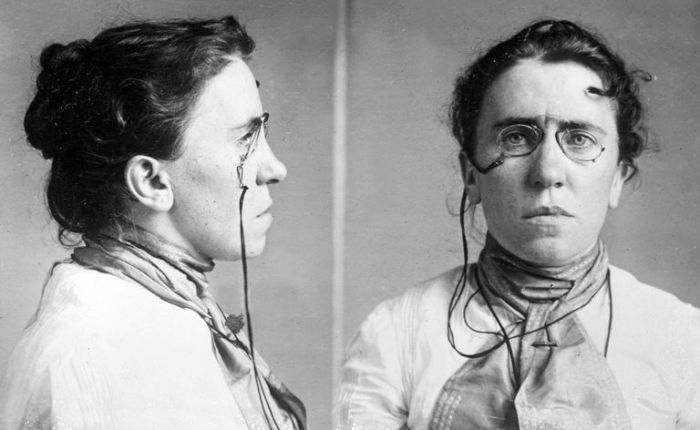
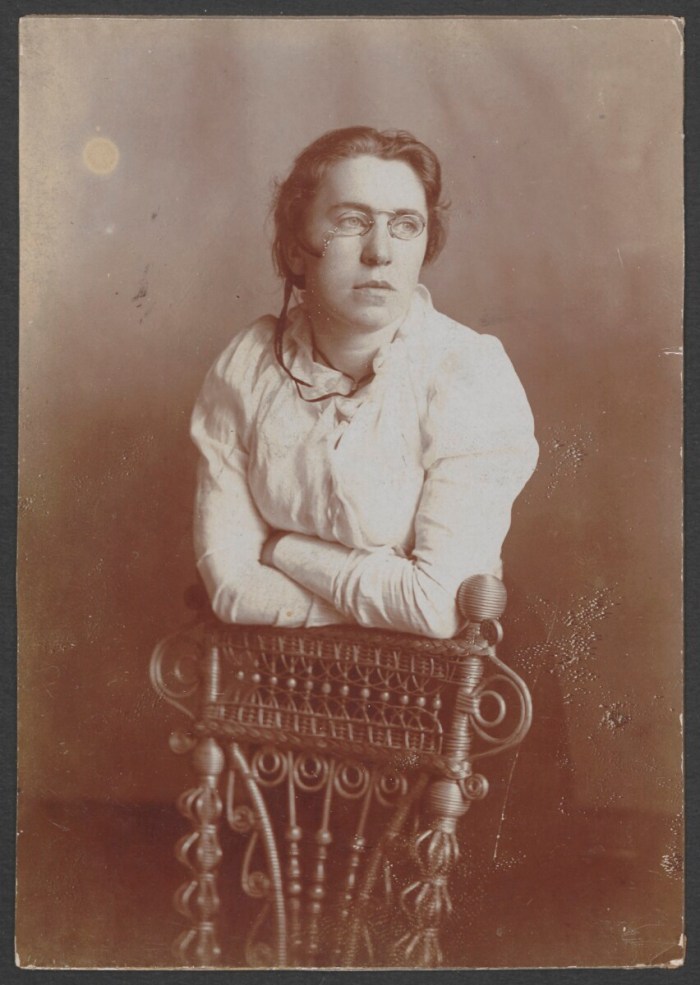
Did you know that Emma Goldman, famous anarchist, had a country home on Allapartus Road in the early 20th century?
Do you even know who Emma Goldman was? Or what anarchy is? Don’t worry, most people I’ve tried to impress with this piece of Ossining history don’t know either.
Now, today, instead of being described as “The High Priestess of Anarchy,” Emma Goldman is more often thought of as a progressive feminist, an author, a magazine publisher, and an inspirational speaker. Her passionate advocacy for birth control, marriage reform, sexual freedom, worker’s rights, and vehement anti-war activism was extremely progressive for the time.
And in the 19th/early 20th centuries, Emma Goldman made headlines as “Red Emma” and “A Dangerous Woman.”
Believing that “Fighting injustice and exploitation is all that matters,” she tirelessly spoke out on behalf of the marginalized, the exploited and the oppressed.
Now, I have to delve into this anarchy thing before I go any further, because it’s essential to understanding what Emma Goldman was about.
Basically, anarchy (in the way that Goldman defined it) describes a society without any centralized authority. So, no rulers, government, laws — frankly, it’s a movement that I never found that interesting because it seems so irrational, so angry, and so violent. And perhaps it is on the surface, and violent acts have certainly been perpetrated in its name.
In 1893, when Goldman was imprisoned for “inciting to riot”, she gave a jailhouse interview to Nellie Bly, a reporter for The New York World, and explained why she was an anarchist and what she hoped to accomplish:
I am an Anarchist because I am an egotist. It pains me to see others suffer. I cannot bear it. Everything wrong, crime and sickness and all that, is the result of the system under which we live. Were there no money, and as a result, no capitalists, people would not be over-worked, starved and ill-housed, all of which makes them old before their time, diseases them and makes them criminals. To save a dollar the capitalists build their railroads poorly, and along comes a train, and loads of people are killed. What are their lives to him if by their sacrifice he has saved money?
In further researching this topic, I came upon this definition by the writer Rebecca Solnit: “Anarchists are idealists, believing human beings do not need authorities or the threat of violence to govern them, but are instead capable of governing themselves by cooperation, negotiation, and mutual aid.”[1]
Between Goldman and Solnit’s explanations, on paper anarchism certainly seems like a utopian ideal but really – has there ever been such an idyllic civilization? Could it ever really exist? Did Emma Goldman meet any human beings? (Ooops, my cynicism is showing.)
But she truly believed this world was possible and pursued these ideals her entire life. And for all her fight and spirit and refusal to accept the status quo, Emma Goldman was a radical optimist, a passionate believer in the essential good of the human beings, if only the jackboot of authority could be lifted from their necks.
Born in 1869 in Popelon, Lithuania, Goldman emigrated to Rochester, New York in 1885. The first job she would find was working in a sweatshop sewing men’s overcoats at a wage of $2.50 per week. (She marked this as the beginning of her advocacy for worker’s rights.)
According to her 1931 memoir Living My Life, Goldman was radicalized after the 1886 Haymarket Affair bombing.
Soon after this, Goldman would meet and fall in love with Alexander Berkman, an equally fiery anarchist and activist. In 1892, in response to the strikes in Andrew Carnegie’s steel mills in Homestead, Pennsylvania where Pinkerton guards were brought in to quell the conflict with billy clubs and bullets, Berkman decided to follow the anarchist’s playbook, deploy “targeted violence,” and murder Carnegie’s right hand man Henry Clay Frick. (The idea was that this murder would inflame the masses, causing revolution to take place, thus toppling capitalism.)
Frick survived, and Berkman served 14 years in prison for attempted murder. Goldman was initially implicated, but there was no evidence with which to charge her. However, this incident would mark her as a violent, dangerous person, one the authorities would trail and watch closely.
Knowing this, she still toured the country giving speeches, encouraging workers to “Demonstrate before the palaces of the rich; demand work. If they do not give you work, demand bread. If they deny you both, take bread.” It was after one such lecture that she was arrested and convicted for “inciting to riot.” She spent a year imprisoned on Blackwell’s (now Roosevelt) Island, New York working as an amateur nurse in the prison hospital and giving occasional interviews to sympathetic reporters.
After serving her term, she traveled to Europe for formal nursing and midwife training and would fall back on these skills throughout her life to support herself.
Ossining Connection
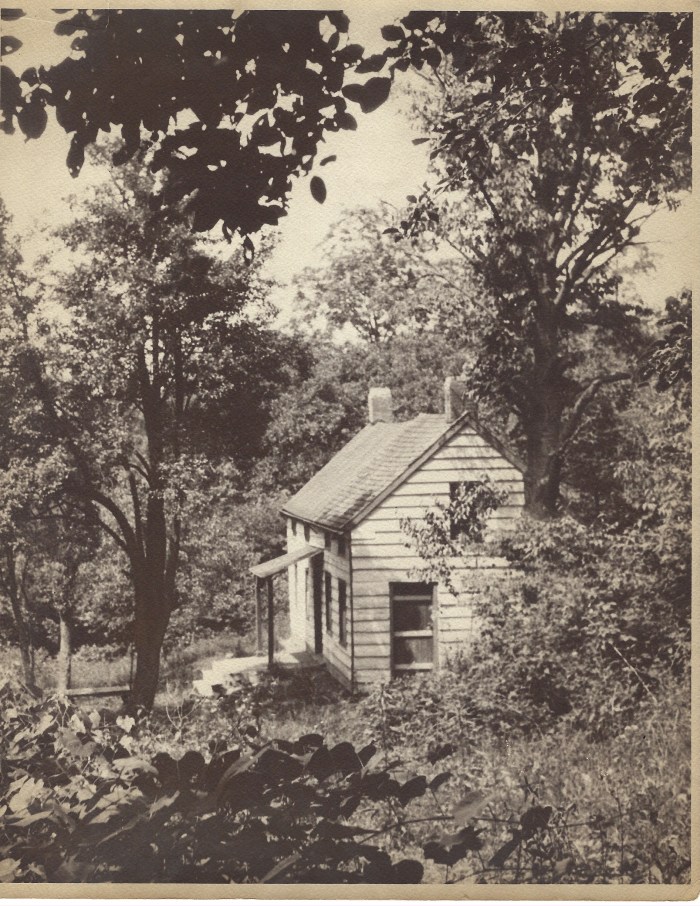
In 1905, a wealthy friend, Bolton Hall, purchased a small farm at the top of Allapartus Road (technically in New Castle, just outside the Ossining border) and gave it to Goldman.
Farmhouse on Allapartus Road, c. 1910 (now demolished) Courtesy of Gareth Hougham
She would come to this little farmhouse to decompress, to cook, to garden and to write. As she described it “The house was old and shaky, and there was no water on the premises. But its rugged beauty and seclusion, and the gorgeous view from the hill, made up for what was lacking in comfort.”
Alexander Berkman would join her there after his release from prison. Though they would discover that their romantic relationship was irretrievably broken by their time apart, they would remain professional colleagues for many years.
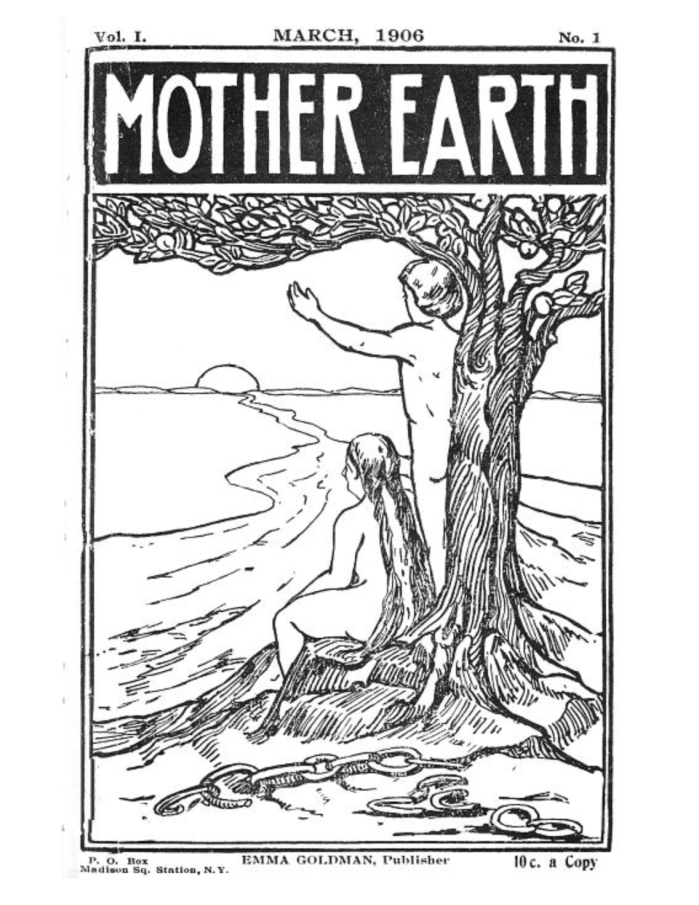
It’s around this time that Goldman found her radical periodical Mother Earth. She would serve at various times as its publisher, head writer, and editor. She attracted many of the progressive/radical writers and artists of the time, such as Floyd Dell, Louise Bryant (Diane Keaton played her in the movie Reds), Man Ray, and Margaret Sanger.
Courtesy Gutenberg.org
(Fun Fact: Croton resident Max Eastman would found his socialist magazine The Masses in 1911 and employ some of the same writers and artists. And both magazines would be shuttered in 1917 by the US Government for violating the Espionage Act for their radical anti-war/anti-conscription stances.)
In addition to putting out her monthly periodical, Goldman spent the 1910s on lecture tours speaking on topics ranging from anarchism, birth control, homosexuality to pacifism:
1915 Lecture Handbill from Portland, Oregon Courtesy of JWA.org
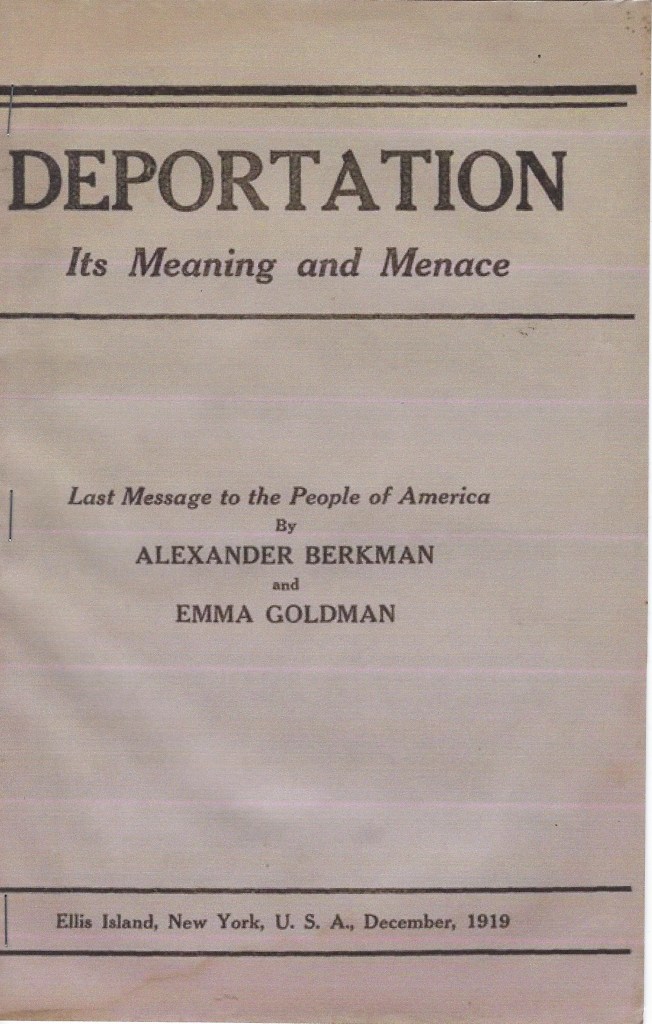
She would get arrested several more times for violating both the Comstock and Espionage acts – and this last one would cause her deportation to Russia in 1919, along with Alexander Berkman and around 200 others the US Government branded as communists/anarchists. She and Berkman would write the following pamphlet on Ellis Island as they awaited their boat to Russia:
Goldman died in Toronto in 1940 at the age of 70, after a series of strokes. However, even death could not silence her: Her body would be transported to Forest Park, Illinois to be buried near those who were executed for the Haymarket bombing.
Her final words, chiseled on her gravestone are: “Liberty will not descend to a people. A people must raise themselves to liberty.”
[1] Solnit, Rebecca A Paradise Built in Hell, 2010
BLOG POST: 116 Hawkes Avenue — The Corliss Lamont Estate
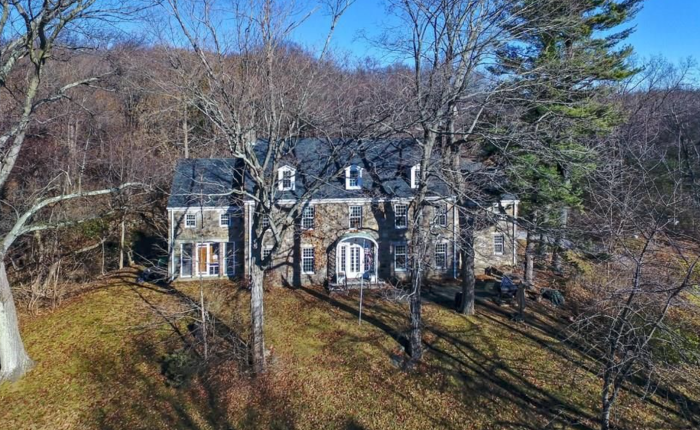
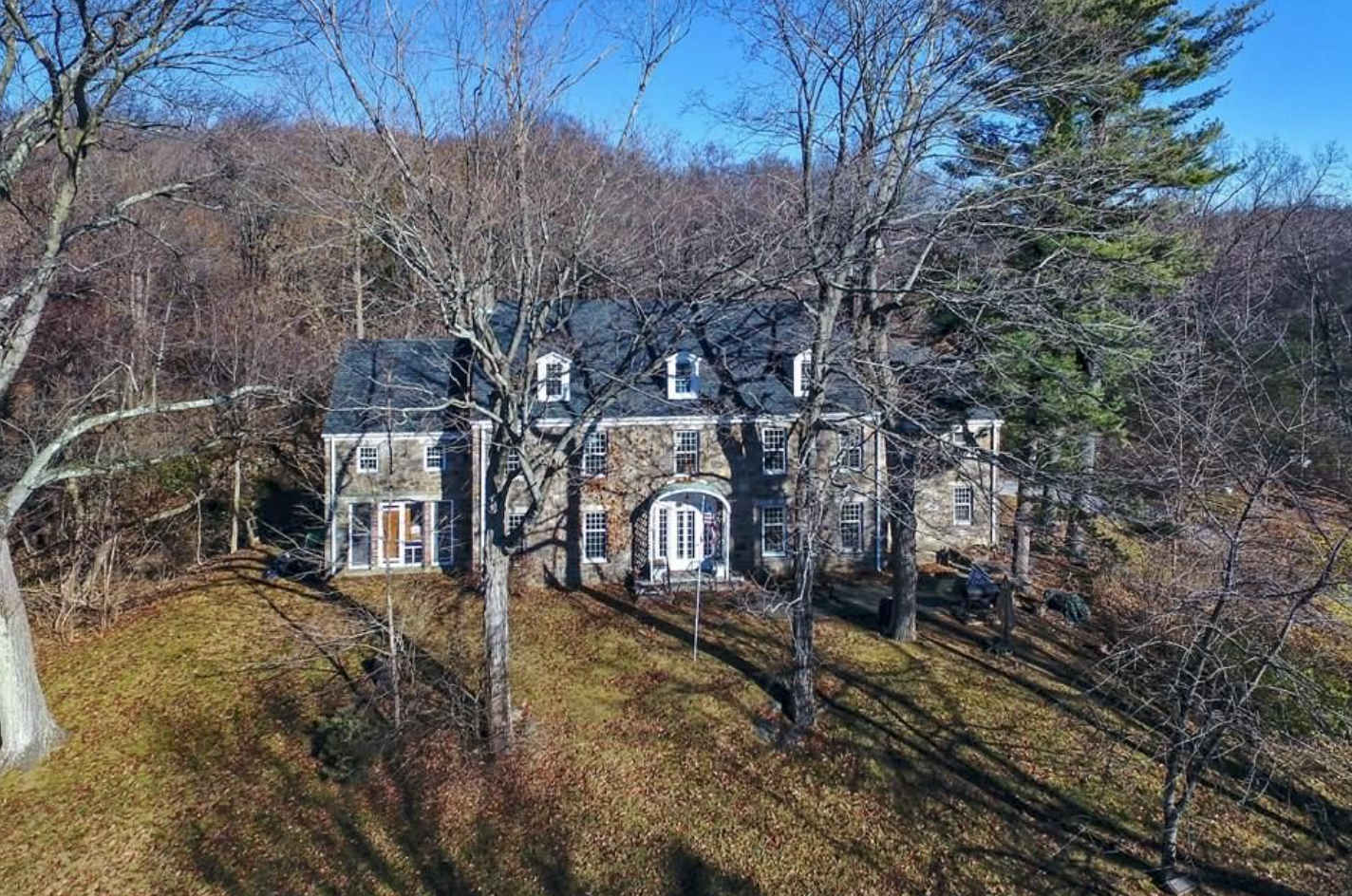
116 Hawkes Avenue is for sale. 13 bedrooms, 8 baths for $1,999,222. Check out the link here.
This is also informally known as the “Lamont Estate,” once owned by the progressive activist and intellectual Corliss Lamont. It’s funny – I’ve had a draft of this post simmering for about a year now, ever since I joined the American Civil Liberties Union, but it wasn’t until this “For Sale” sign went up that I was inspired to post.
The realtor is pitching this as a “Wonderful opportunity to develop over 19 acres of rolling property. . .” – GRRR! Like Hawkes Avenue needs any more development right now! (See my blog 87HawkesAvenue.com for more on the topic.)
But the story of Corliss Lamont is one that deserves telling. Something about the idea of sub-dividing this estate makes me feel (irrationally, I admit) like his legacy is somehow being diminished. I mean, he was a deep thinking activist who fought long and hard to protect those liberties enshrined in our Constitution, as well as an intellectual who was forever striving to improve humanity. His reach was long and his connections were extensive.
Corliss Lamont (1902-1995) was a 20th century American hero whose independent thinking challenged prevailing ideas in philosophy, economics, religion, patriotism, world peace and the exercise of our cherished civil liberties.
Corliss Lamont was born to Wall Street wealth, yet he championed the cause of the working class, and was derided as a “Socialist” and a “traitor to his class.”
Corliss Lamont’s Humanist belief that earthlings have evolved without supernatural intervention and are responsible for their own survival on this planet caused traditionalists to label him a “godless atheist.”
Okay, first, how ironic is it that that Dr. Andrija Puharich lived right across the street at 87 Hawkes Avenue – a man whose life work involved proving that extraterrestrials have intervened over the centuries to help human beings evolve and survive. (Don’t know what I’m talking about? Check out my blog post on Puharich here.) You have to wonder if Corliss and Andrija ever hung out in the 1960s and ’70s and just rapped until the wee hours . . . Can you imagine it? Boy, would I ever have liked to have been a fly on that wall!
Anyway, let’s unpack the information from Lamont’s website: “Born to Wall Street wealth,” it asserts. Well, yes sir, that is no less than the truth. His father was none other than Thomas Lamont, a partner and later Chairman at J.P. Morgan. In fact, he was the acting head of J.P. Morgan the day the stock market began crashing in 1929, and famously rallied other Wall Street firms to join forces with him and purchase massive amounts of stocks in an attempt to stabilize the market. Alas, the market was too far gone. (Earlier, in 1910, Thomas Lamont took part in a secret meeting on Jekyll Island to help create the Federal Reserve System. I know, financial history is a snooze, but Frank Vanderlip was there and he lived nearby in Scarborough! Blog post on him to come soon.) Let’s just say money was in the blood.
Son Corliss followed in his father’s footsteps to Phillips Exeter Academy and thence to Harvard, but that’s where the similarities end. No doubt Thomas would have welcomed his son to Wall Street, but Corliss had other interests. After Harvard, he studied at Oxford University (where he roomed with Aldous Huxley’s brother Julian), earned a Ph.D from Columbia University, and went on to teach philosophy at various Ivy League universities. Philosophy was also in his blood — his mother, Florence Corliss Lamont, earned an M.A. in philosophy from Columbia University in 1898. She later donated the estate that today houses the Lamont-Doherty Geological Observatory in Palisades, N.Y.
Now’s as good a time as any to talk about Corliss’ avowed Socialist/Communist/Marxist leanings. It is true that in Corliss wrote an admiring book about the USSR describing how they had turned their feudal society into a modern one in a remarkably short time. It is also true that in 1937 he helped found a short-lived magazine called the Marxist Quarterly that delved into the theory and practice of socialism and communism. It is further true that he was the Chairman of the group “Friends of the Soviet Union.” But here’s some context on all this: the seeming failure of capitalism in the West, as evidenced by the enduring hardships of the Depression, caused many intellectuals to look positively at the Soviet Union and communism in general in the 1930s and ‘40s. Worker’s rights and the ideal of a more equitable society was very appealing at the time. However, Corliss and others gradually became disenchanted with the Soviet Union as stories of Josef Stalin’s brutality and events like the Moscow Trials came to light.
(Another Fun Fact: Corliss was a prolific pamphlet writer and one of them, “Basic Pamphlet 14, The Crime Against Cuba,” was distributed by none other than Lee Harvey Oswald on the streets of New Orleans, Louisiana, during the summer of 1963! According to the Corliss Lamont website, the CIA purchased 45 copies of the pamphlet and it was ended up as Exhibit No. 3120 in the Warren Commission Report on JFK’s assassination. Want to know more? Click on this link.)
Okay, back to the chronology: In the 1930s, Corliss became director of the American Civil Liberties Union (ACLU.) You must have heard of it — it’s a non-profit organization founded in 1920 to, as their website says, “Defend and preserve the individual rights and liberties guaranteed to every person in this country by the Constitution and laws of the United States.” They’ve defended the rights of anti-war protesters, striking workers, teachers who teach about evolution (the Scopes Monkey trial anyone?) the Ku Klux Klan, refugees – basically anyone anywhere in the United States whose civil liberties are threatened.
In the 1950s, Corliss (and many others) were hauled in front of Sen. Joseph McCarthy’s infamous committee and asked the notorious question “Are you now or have you ever been a Communist?” Refusing to answer, Lamont creatively invoked not the usual Fifth Amendment that protects a citizen from incriminating himself, but the First Amendment that guarantees free speech. He was cited for contempt of Congress and faced prison time. He sued the government and remarkably, after several years, won. In fact, he successfully sued the government several more times, taking at least two of these cases to the Supreme Court. (Yet another Fun Fact: according to a neighbor, in the 1960s unmarked cars were often seen parked near the driveway entrance to 116 – keeping Corliss under surveillance for his anti-Vietnam war stance, and pro-Cuba leanings, I guess.)
In later years, 116 Hawkes Avenue was the location for anti-war concerts and gatherings – I’m told Pete Seeger played here, along with other like-minded folk artists. His foundation, the Half-Moon, hosted Humanist weddings and events there up until the 1990s.




 116 Hawkes Avenue is for sale. 13 bedrooms, 8 baths for $1,999,222. Check out the link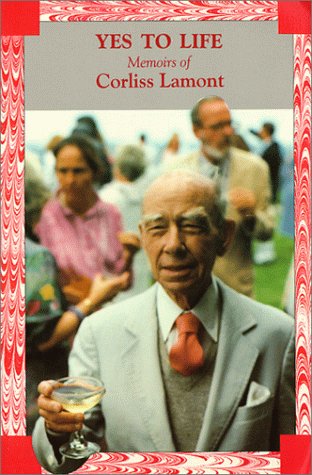
 Ossining History on the Run