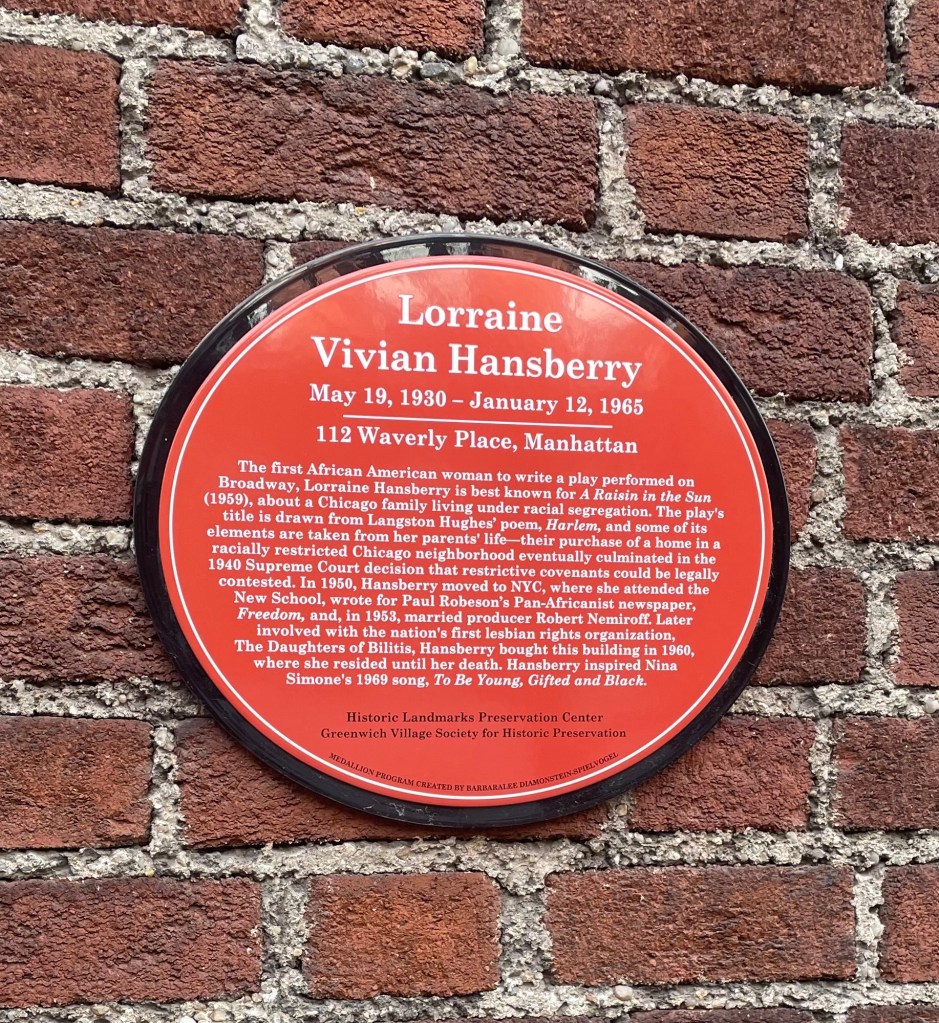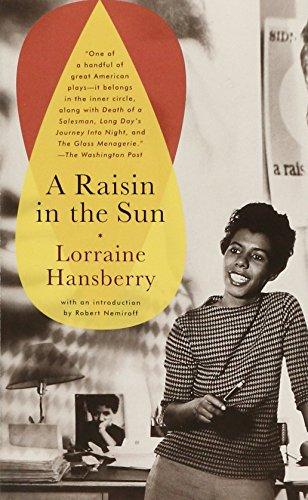
Lorraine Hansberry – Playwright, Civil Rights Activist

Lorraine Hansberry, c. 1964

Lorraine Hansberry
1930 – 1965

Playwright
Author
Civil Rights Activist
***Local Connection: Bridge Lane, Croton-on-Hudson***

Lorraine Hansberry was born in Chicago, IL to Carl August Hansberry, a successful real estate speculator (known as “The Kitchenette King of Chicago”) and Nannie Louise Perry, a teacher. 

When Hansberry was 8, her parents purchased a house in a white neighborhood, but faced intimidation and threats from the residents who tried to force them to leave. Hansberry remembered rocks being thrown through their windows, and her mother prowling the house after midnight carrying a German Luger pistol when Carl Hansberry was away on business.

Illinois courts upheld the ongoing eviction proceedings and found that by purchasing their house, the Hansberrys had violated the “white-only” covenant of that subdivision. However, Hansberry’s father took the case all the way to the United States Supreme Court and won. 

This experience would inspire Hansberry’s most famous play A Raisin in the Sun.

In 1950, Hansberry moved to New York City to pursue a career as a writer.  Landing first in Harlem, she began working for Paul Robeson’s Black, radical newspaper Freedom, a monthly periodical.
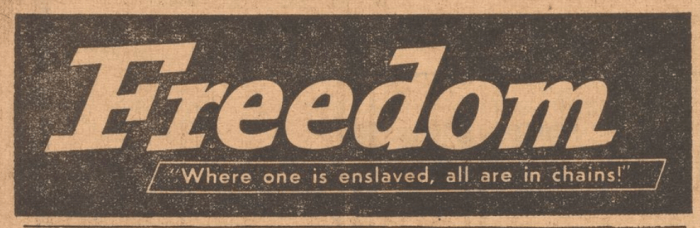
At Freedom, she quickly rose through the ranks from subscription manager, receptionist, typist, copy editor to associate editor, along the way writing articles and editorials for the paper.  It was during this time that she wrote one of her first theatrical pieces, a pageant for “The Freedom Negro History Festival” that would feature Paul Robeson, Harry Belafonte and Sidney Poitier, among other luminaries.  

In 1953, she married Robert Nemiroff, a book editor, producer, and composer of the hit single “Cindy, oh Cindy.”  They moved to 337 Bleecker Street in Greenwich Village and it was here, in 1957, that she wrote her semi-autobiographical play A Raisin in the Sun.

It took the producers nearly two years to raise the funds, as investors were wary of backing the first play of an unknown 26-year-old Black woman. Premiering in New Haven, Connecticut, A Raisin in the Sun opened on Broadway in March 1959 and was the first Broadway show to be written by Black woman and the first to be directed by a Black man (Lloyd Richards.)  Starring Sidney Poitier, Ruby Dee and Claudia McNeil, the production was nominated for four Tony Awards.  The original production ran for 530 performances – a remarkable feat in those days and would make a successful transfer to the big screen in the 1961 movie written by Hansberry and starring most of the Broadway cast. Today it is a staple of high school and college curricula and is considered one of the greatest American plays of the 20th century.  It continues to be produced all over the world.

After the success of A Raisin in the Sun, Hansberry purchased a townhouse in Greenwich Village.
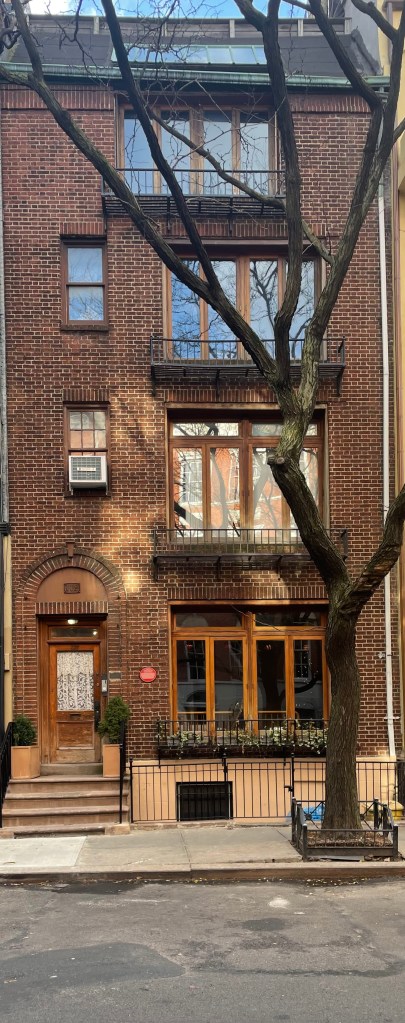
Soon after, she would purchase a house in Croton-on-Hudson. Ironically calling her Bridge Lane home, “Chitterling Heights,” it became her escape from the city, her writing studio, and a place where Black artists and progressives (such as Langston Hughes, Alex Haley, and Ruby Dee) would gather.
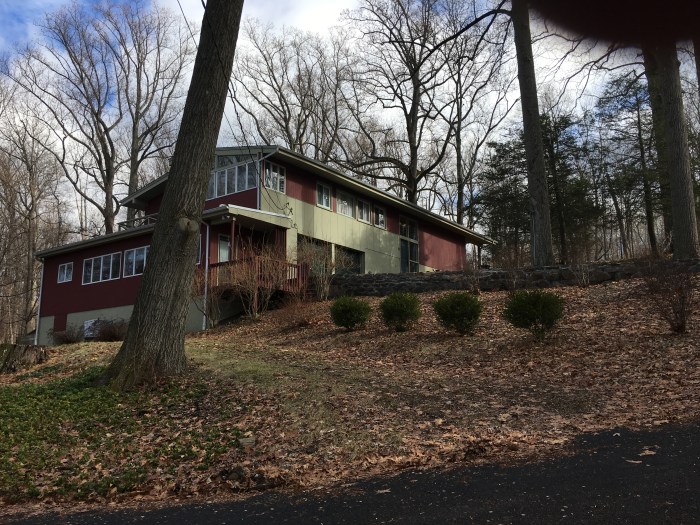
Lorraine Hansberry’s house on Bridge Lane, c. 2018

Hansberry’s Broadway success catapulted her into the whirlwind of popular intellectual discourse, and she used her newfound fame to speak out on things that mattered to her.  She became a star speaker, dominating panels, podiums and television appearances.  Her quick wit and provocative stances made her popular with the media as she could always be counted on for spirited discussion.  

She was deeply involved in the Civil Rights movement, appearing at numerous events and meeting with political leaders:
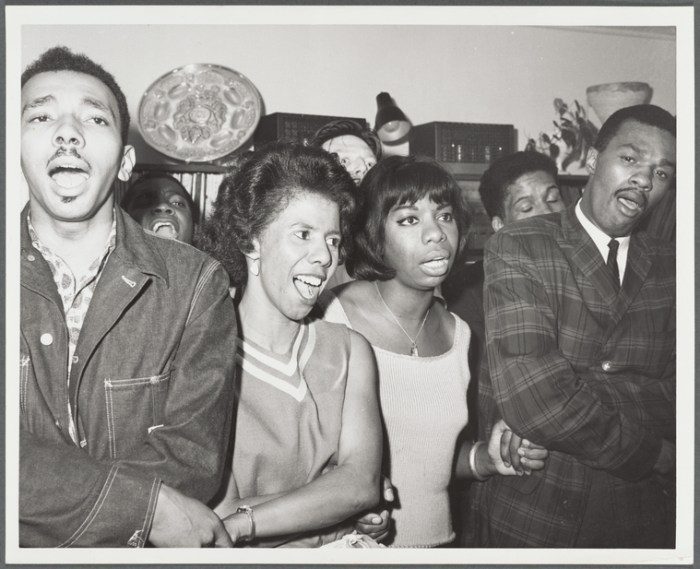
Hansberry with Nina Simone at a Student Non-Violent Coordinating Committee event, 1963.
Courtesy of the New York Public Library

By 1963, as one of the intellectual leaders of the civil rights movement, Attorney General Robert F. Kennedy would meet with her, James Baldwin, Lena Horne, Harry Belafonte and others for advice on civil rights and school desegregation initiatives.  (Read a May 25, 1963 New York Times article about this meeting here.)

In 1964, Hansberry was integral in organizing and participating in one of the first fundraisers in the New York City area for the civil rights movement, held at Croton’s Temple Israel.   (The 1963 Birmingham church bombings catalyzed many on the East Coast.)  
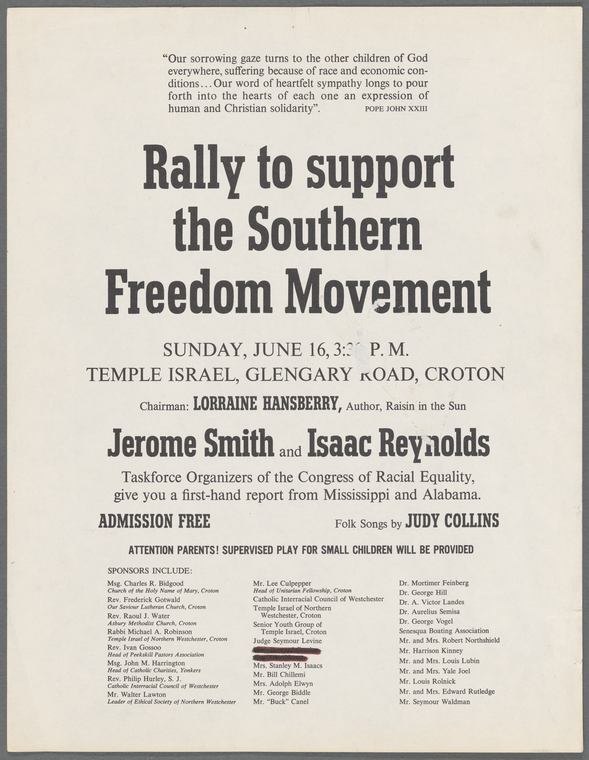
She was the MC of the event, and brought in other like-minded celebrities, including Ossie Davis, James Baldwin, and Judy Collins. They raised over $11,000 for organizations like the Congress of Racial Equality – Freedom Summer voter registration project (CORE), the Student Non-violent Coordinating Committee (SNCC) and the NAACP.

Some of the money raised went towards the purchase of a Ford station wagon that Freedom Riders James Chaney, Andrew Goodman, and Michael Schwerner were driving the night they were murdered by the Ku Klux Klan in Philadelphia, Mississippi.

Unofficially separated for several years, Hansberry would divorce Robert Nemiroff in 1964, though they remained close collaborators and business partners to the end of her life.  Nemiroff produced her final play, The Sign in Sidney Brustein’s Window, which opened on Broadway in October 1964.
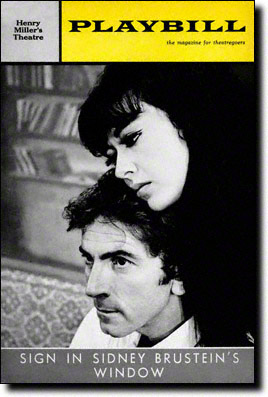
In January 1965, Hansberry would die from pancreatic cancer at the age of 34, two days after The Sign in Sidney Brustein’s Window closed.  

She is buried in the Bethel Cemetery in Croton-on-Hudson, New York.
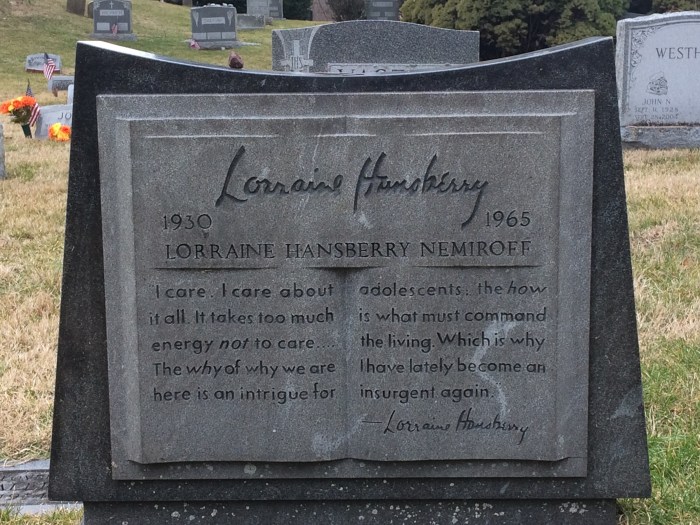
CODA:

“You are young, gifted, and black. In the year 1964, I, for one can think of no more dynamic combination that a person might be.”

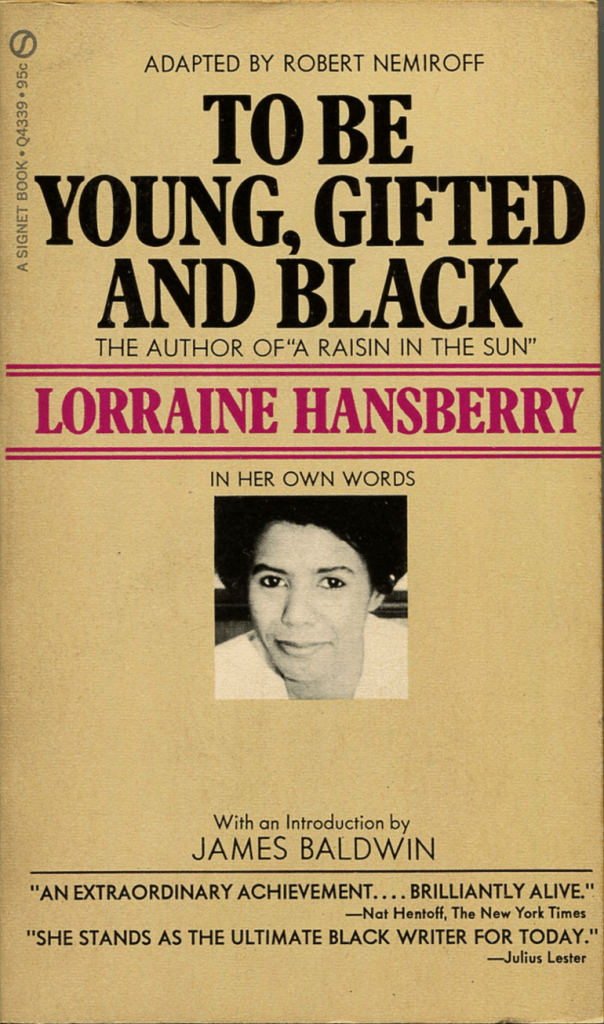
The above quotation comes from a talk Lorraine Hansberry gave to six teenage winners of a Readers’ Digest/ United Negro College Fund writing contest. In 1968, ex-husband and literary executor Robert Nemiroff would compile many of Hansberry’s unfinished and unpublished works into an off-Broadway play called Young, Gifted and Black.  This in turn would be adapted into a posthumous autobiography of the same name published in 1969.  
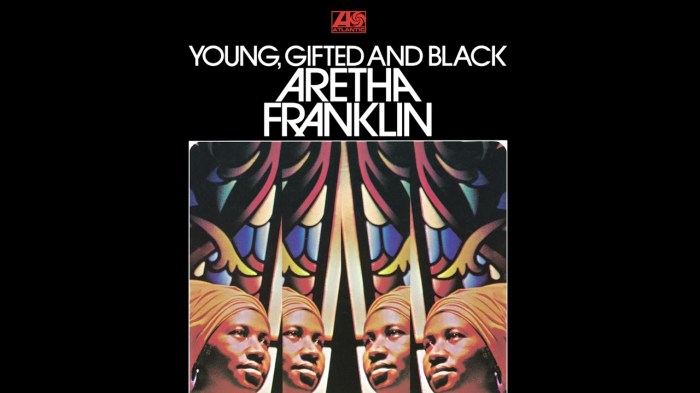
Singer/Songwriter Nina Simone would be inspired to write and record a song with that title and in 1972, singer Aretha Franklin would release an album of the same name.
There have been numerous productions of her seminal play A Raisin in the Sun – on Broadway and off-, internationally, in regional theaters, on television and film. In 1973, a musical version of the play, called Raisin won the Tony Award for Best Musical. In 2010, playwright Bruce Norris wrote Clybourne Park which tells the story before and after the events of A Raisin in the Sun and in 2013, Kwame Kwei-Armah wrote Beneatha’s Place which imagines what happened to the character of Beneatha after the events of A Raisin in the Sun.

It is a play and a story that continue to inspire.

Yet, it took until 2013 for Lorraine Hansberry to be inducted into the Theatre Hall of Fame:
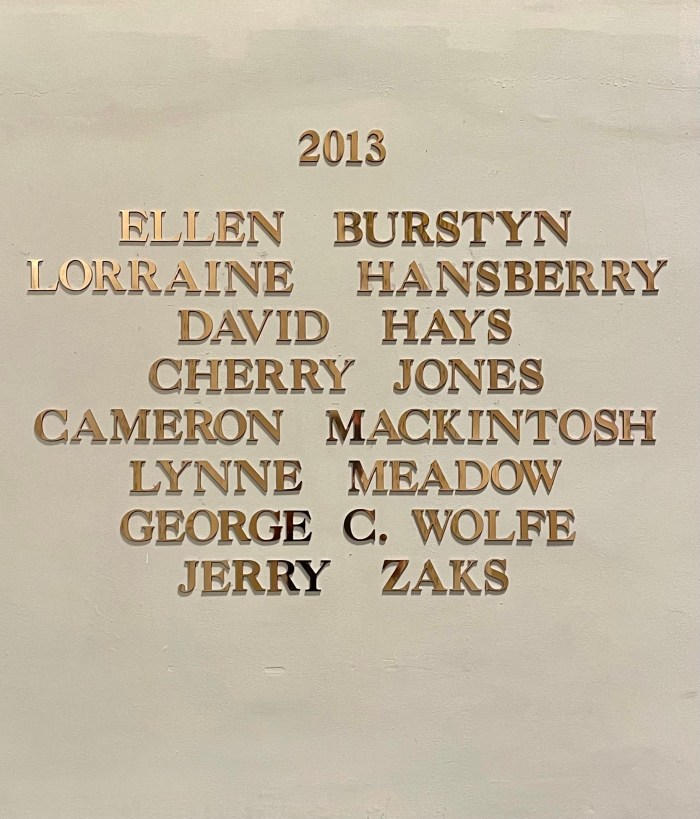
Finally, today, in addition to her other accomplishments, Lorraine Hansberry is now being hailed as a figurehead of the LGBTQ movement. However, this is a little tricky, as Hansberry was not out during her lifetime.  For five decades after her death, ex-husband and literary executor Robert Nemiroff restricted access to any of Hansberry’s writings that explored her sexuality. It wasn’t until 2013 that researchers were allowed to see these previously hidden articles, letters, and journal entries. Since then, Hansberry has emerged as a queer icon. Her published works from this cache, often signed only with her initials, reveal a thoughtful and progressive thinker, while her private writings offer a new perspective on this multifaceted artist.
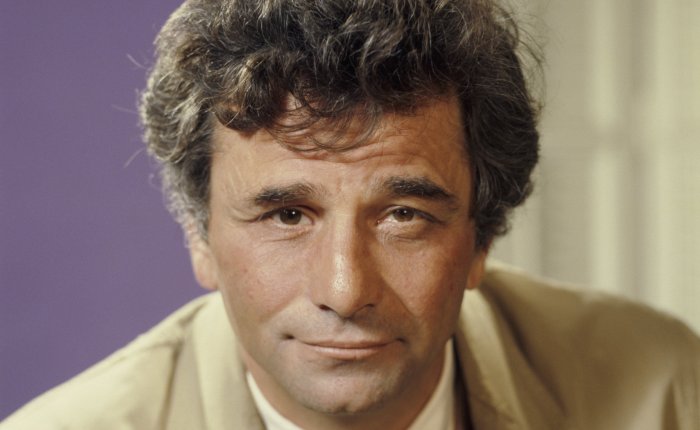
Peter Falk – aka, Lieutenant Columbo

Peter Falk – aka, Lieutenant Columbo
Photo Courtesy Ossining Historical Society

I’m not really quite sure why it’s taken me so long to blog about Peter Falk – I guess it’s mostly because he’s well-known and doesn’t need me to tell his story.  But, since he is a true son of Ossining (Ossining High School graduate 1945!) I would be remiss if I didn’t.  (Plus, I did a lot of this research for my recent presentation at Sing Sing Kill Brewery, so figured I might as well turn it into a blog post.)

Peter “Pete” Falk was born in the Bronx in 1927 but raised in Ossining on Prospect Avenue.  (In 2005, Ossining would officially rename the corner of Eastern and Prospect Avenues “Peter Falk Place.”)

His parents owned a popular local clothing shop, Falk’s, that was located at 159 Main Street.  Back in the days before malls and such, this was one of those essential local stores that sold pajamas, kids’ clothes swimsuits, and ladies’ undergarments.  (Not the lacy lingerie kind that Victoria’s Secret sells, mind you, but the hardcore 1940s/50s rubbery kind that look just one step more comfortable than a Victorian whalebone corset.)

Falk’s Department Store at 159 Main Street, Ossining.

Photo courtesy of the Ossining Historical Society

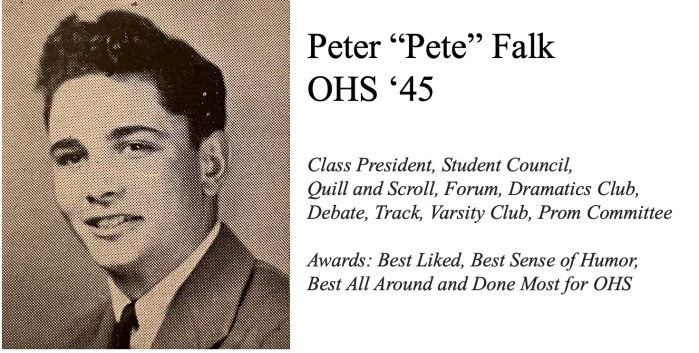
After perusing the 1945 Ossining High School yearbook (“The Wizard”) I get the strong impression that “Pete” Falk was one of those great guys that just everyone loved.

Photo Courtesy of the Ossining Historical Society

He was Class President for three years of high school (VP the other year) and, as you can see, served on an array of clubs and teams.

Now, if you’ve ever watched “Columbo” (or any of his other films), you might have noticed that he had an unusual squint – you can certainly see that his eyes don’t quite match in this photo.   That’s because he had this eye removed at the age of three because of a retinoblastoma – a type of cancerous eye tumor.  Ever after he wore a glass eye and would tell various stories regarding said eye.

One took place when he was playing Little League in Ossining.  According to his 2006 autobiography, Just One More Thing: Stories from My Life, this happened:

At Ossining High School, the baseball field was right in back of the school and the grandstand was very close to the playing field, particularly on the 3rd base side.  This is significant because on this particular day it was a play at third base where the umpire called me out.  It was a bad call.  I was clearly safe.  I knew it and everyone in the stands knew it.  They sat so close to the field that they could see and hear everything.  In front of everyone, I whipped out my eye and handed it to the umpire:  ‘You’ll do better with this one.’  Talk about getting a laugh.” [2]

Because of his glass eye, he was not eligible for the draft, so he went straight on to Hamilton College but dropped out after three months to join the Merchant Marine.  But also because of his glass eye, the only opportunities for him there were in the kitchen.  So he sailed off as a third cook.  After a year at sea, there were a few more attempts at college until Falk finally graduated from the New School of Social Research with a B.A. in Political Science and Literature.  It was here, also, that he got his first taste of professional theater.  After a few more false starts that included a master’s degree in Public Administration from Syracuse University (’53) and a job as an efficiency expert, in 1955 he finally followed the siren call of the theater.

When he told his dad, the response was “You’re gonna paint your face and make an ass of yourself for the rest of your life?”

Well, yes Dad, yes I will, said Peter Falk.

After that, things happened pretty fast.  Falk began acting in summer stock in Connecticut, directed by theater legend Eva Le Gallienne.  The next year, 1956, he made his Broadway debut in G.B. Shaw’s “St. Joan” as an English Soldier.  From there, he landed in an off-Broadway production of Eugene O’Neill’s “The Iceman Cometh” directed by Jose Quintero and starring Jason Robards. 

Pretty heady stuff for a kid who’d only just decided to make acting his career!

It was around this time that he went to Hollywood for a screen test.  And here we get another (possibly apocryphal?) story about his glass eye when the young Peter Falk is introduced to Harry Cohn, the head of Columbia Pictures, as the next John Garfield.  (I know, I’m not entirely sure who that is either!)

Cohn mumbled something about Falk’s “deficiency” and when he didn’t seem to be understood, Cohn just took a deep breath and shook his head.  “For the same price” he said, “I’ll get an actor with two eyes.” [3]

Ouch!

Disappointed, Falk took himself back to the east coast, where he landed an agent and some bit parts in TV and off-Broadway.  Finally, his big break came in 1960 with a movie called “Murder, Inc.”  He even scored his first Academy Award nomination (for his supporting role as Abe Reles.)

Another Academy Award nomination came his way two years later, for “Pocketful of Miracles,” a Frank Capra-directed movie with a cast that included Bette Davis, Glenn Ford, Hope Lange and Ann-Margret.

But it was “Columbo” that catapulted him to legendary status.  Starting in 1968, with the first pilot, the series ran consecutively from 1971 – 1978.  After that, from 1990 – 2003 about ten Columbo specials were made.   Falk as Lt. Columbo would get nominated for an Emmy Award almost every year, and he took it home at least four times.  (He had already won an Emmy in 1962 for “Dick Powell Theatre.”)

Photo courtesy IMDB.com

(Fun fact – The Ossining Historical Society has an autographed trench coat on display that was personally given to them by Peter Falk.)

Falk was diagnosed with Alzheimer’s disease in 2008 and played his final film role a year later.

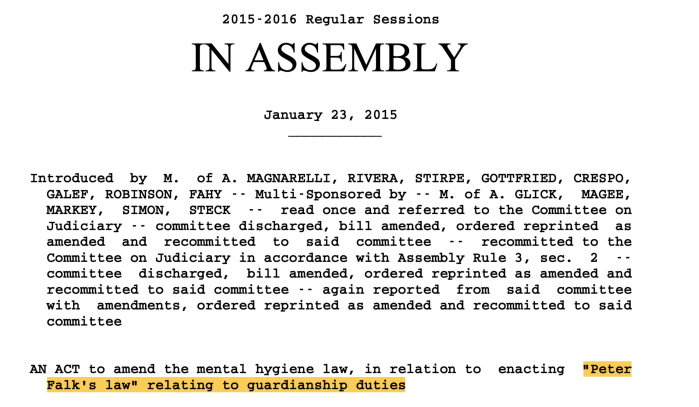
His last years were, it seems, tinged with sadness as his second wife, Shera, reportedly refused to allow his two children (from a previous marriage) to visit him as his dementia progressed. She supposedly didn’t even let them know when he passed away.  The situation so troubled Falk’s daughter Catherine that after his death in 2011, she would go on to help pass legislation that would prevent family members from being cut off by the guardians of incapacitated family members.  Ossining’s very own Assemblywoman Sandy Galef would introduce “Peter Falk’s Law” in 2015 and see it pass the NYS Senate in 2016.

But I like to think of him as that charming student from Ossining High School who spearheaded all sorts of fun for his class and went on to play one of the most iconic roles on television.

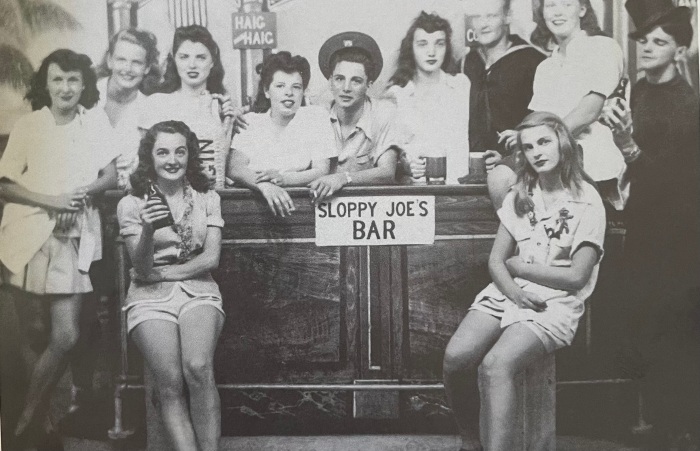
OHS ’45 Senior Class picnic, Rye Playland
Photo courtesy Ossining Historical Society

[1] “The Wizard” the Ossining High School Yearbook, 1945

[2] “Peter Falk:  Just one more thing – Stories from my Life” by Peter Falk, 2006

[3] Falk, p. 51

Margaret Illington (Or, another famous actress that lived in Ossining.)


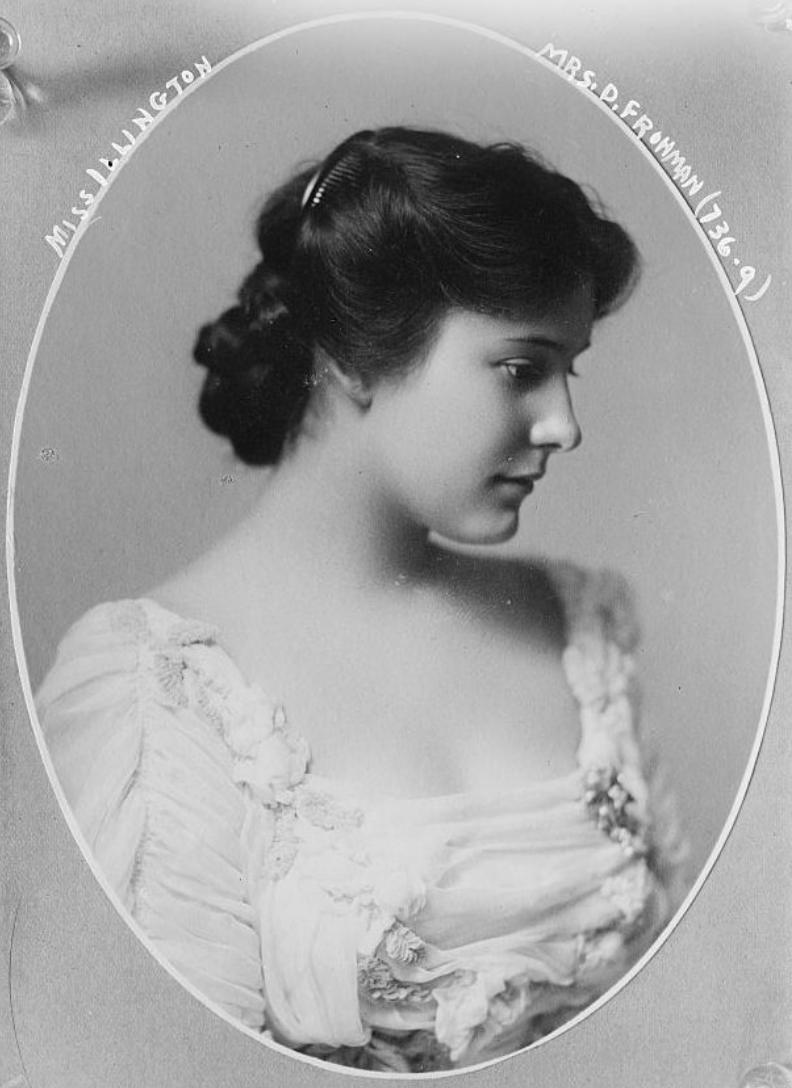
Margaret Illington Frohman

So, have you heard of Illington Road? It’s off Route 134, just past the Taconic South Ossining exit. It’s a favorite on the Saturday morning group run of the Taconic Road Runners Club when the reservoir road is too icy or snowy, or just when they want to mix it up a little.

Anyway,  until I started writing about Major Bowes , I had no idea that it was likely named after his wife, Margaret Illington. And that Margaret Illington was another famous actress from the early 1900s who lived in our area. (Jeanne Eagels is the other one I’ve uncovered so far.)

It’s hard to imagine that pre-film and pre-TV era when theater actors were THE entertainment stars, but trust me when I tell you that Margaret Illington was a big, big star. No doubt it didn’t hurt her career one bit to marry Daniel Frohman, one of the big Broadway producers of the time.

So, follow me down a rather winding post to learn more about Illington Road, Margaret Illington and Broadway in the 1900s.

I suppose we should start with Daniel Frohman, her first husband:  A good 25 years older than young Margaret, he, along with his brothers Charles & Gustave, pretty much started the Broadway road touring circuit back in the 1880s.  They also managed and booked shows into many Broadway theaters, one of which, the Lyceum, is still in use today.

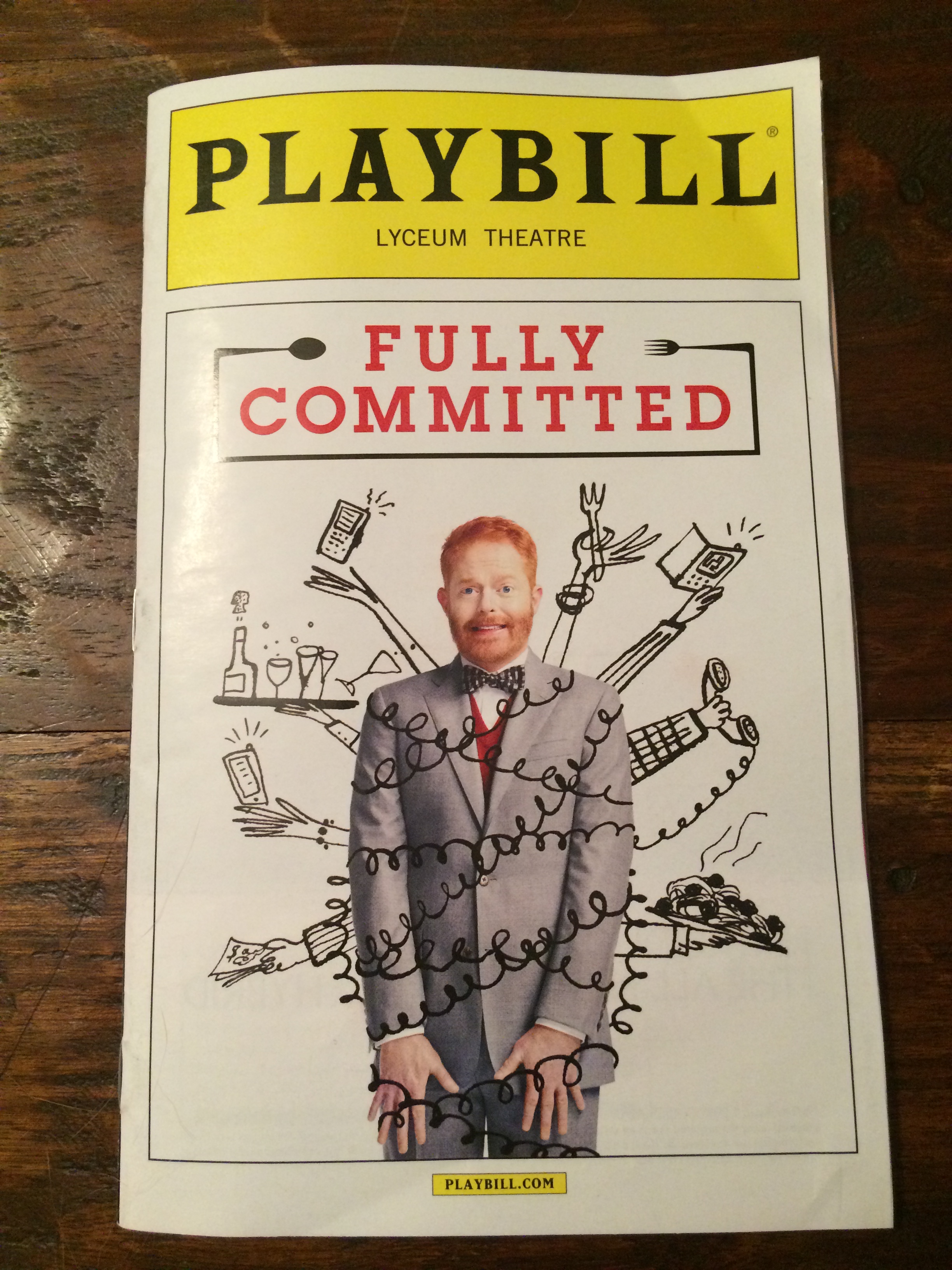
I was reminded of all this when I went to see “Fully Committed” last weekend at the Lyceum:

Fully comittted

Now, several years ago, I just happened to visit the Shubert Archives which are housed high above that theater in Daniel Frohman’s old apartment. And on that visit, I was shown the small doorway that opens into the ceiling of the theater through which Frohman used to peek and watch his shows from the comfort of his penthouse. Even better, I read in the “About This Theater” section of the Playbill that “Legend has it that Frohman waved a white handkerchief out the open door to tell his wife, the actress Margaret Illington, that she was overacting.”  (Check out this link for a picture of what I’m talking about.)

Okay, well, first the idea that big Broadway producers had luxurious penthouse offices above their own theaters has always fascinated me. David Belasco had one above the Belasco Theater, as did the Shubert Brothers above the Shubert Theater.

Second, Margaret Illington!!

Her story begins in 1879 in Bloomington, Illinois where she was born Maude Ellen Light.  She attended Ohio Wesleyan College then Conway’s Dramatic School in Chicago,  making her way to New York at the age of 18.

(Her stage name, Illington, was said to have been a combination of her hometown of Bloomington, Illinois.  Seems plausible enough: Illington certainly sounds better than Bloominois.)

Playing small roles here and there, she attracted the notice of Daniel Frohman, who cast her in the completely forgotten folly called “Frocks and Frills” that played at Daly’s, a New York theater he just happened to manage. Her career skyrocketed after that, and she appeared in twelve more Broadway shows (and an unknown number of tours) over the next seven years.

But a recurring theme in all the articles I’ve found about her is that she constantly said she was “retiring from the stage.” When she married Daniel Frohman, she declared that her plan was to retire when her show closed.  (Back in those days, a hit show ran weeks, not years, so she didn’t have long to wait.)

However, she went on to star in play after play.  And much of her press discusses her chronic overexertion and exhaustion.

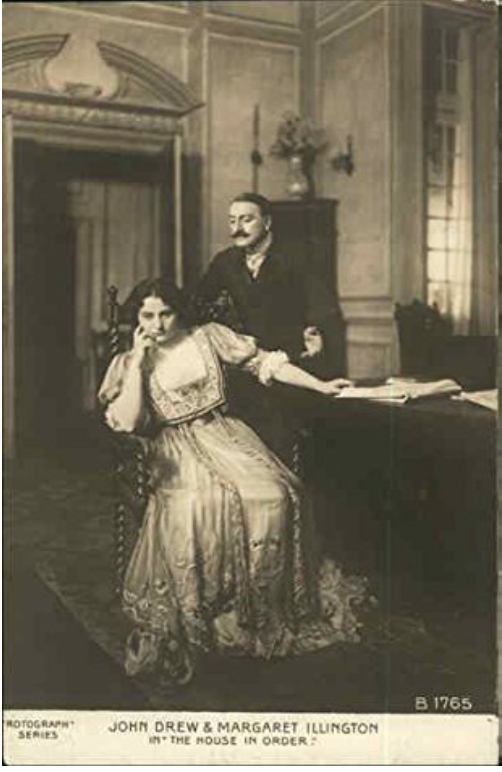
On tour in April, 1907, it was reported that Illington, “Leading woman with John Drew in ‘His House in Order,’ fainted on the stage of the New Grand Theatre to-night, and kept the audience waiting thirty minutes while doctors worked over her. She had a serious case of crying hysteria.”

I wonder if they brought the curtain down while the doctors “worked over her.” And what could they have been doing for thirty minutes allowed her to get back up and finish the show??   And what the heck is “crying hysteria” other than, well, crying hysteria?  I can’t help but put myself in that stage manager’s shoes . . .

Screen Shot 2016-05-22 at 2.28.52 PM                          She doesn’t look too happy, does she?
By 1908, the New York Times was reporting that “Her Part in ‘The Thief’ Wrecked Her Health and She Will Never Act Again. Daniel Frohman Says So . . . Henceforth, He Says, His Wife Will Be A Hausfrau.”

In February of 1909, Daniel Frohman coolly announced that they were separating, but that “There is no scandal involved in our disagreement; no man or woman figures in it. The arrangement is amicable rather than hostile.”   By June, Margaret had moved to Reno, Nevada to establish the six months of residency needed in those days in order to divorce Daniel Frohman. Yet even there she suffered from attacks of nerves:  “She has adopted a plan of exercise in the hope of regaining her health, and, accompanied by her mother, with whom she lives in seclusion, she frequently takes walks as far as her strength will permit.”

Whatever was her problem???

Finally, on November 15, 1909, the New York Times reported that “Margaret Illington Weds New Husband. Actress Divorced Last Week from Daniel Frohman Now Wife of Edward J. Bowes.”

 In the article, Illington was quoted as saying:

“From the first I told Mr. Frohman that I wanted a home, a domestic life. But he wanted to make a great star out of me. I wanted to stay at home and darn his socks. Always, I wanted domestic life and children. I wanted to lead the life of a normal woman. The stage life might be well for the woman born to it, but it is abnormal. When I found that Mr. Frohman intended to keep me on the stage always, my love died . . . As soon as I am freed I shall settle down with the man whose ideals accord with mine. He is wealthy, but he is a domestic man. We shall have our own little home, and I shall try to forget there is a world. I want the world to forget there ever was a Margaret Illington. What I want is babies, my own little babies to nestle to my heart and call me mother. I have been cheated out of my home and babies for so long that I want all of them I can have. I am hungry for them. Whether I have genius or not, I consider I have the right of any woman to make what she thinks is the most of her life. I have the right to be happy. I am not happy on the stage. I yearned all the time for the simple joys of motherhood.”

There’s a story here we’re not seeing, right? But what could it be?

Because just six months later, the New York Times reported “Back to Stage Goes Miss Illington”  In a show produced by her new husband, our very own Major Edward Bowes of Allapartus Road, she was to tour the country before arriving back on Broadway. She then went on to star in more tours and Broadway plays for the next few years to respectful reviews. Then in 1915, she announced her retirement from the stage again. (She retired more often than Cher had Final Concert Tours!):

“I am having such fun, planting seeds and trees and things at my place near Ossining. We have an apple orchard, which is very lovely when it is bloom, but for the rest of the Summer we want more decoration. So every morning I get on my horse and direct the operations of six or seven Italians in digging up trees from the hillsides.”

Yet, in 1916 she opened on Broadway in “Our Little Wife” to mediocre reviews:  “Miss Illington out of her element”

And in 1917 she appeared in several films produced by Famous Players – Lasky where, interestingly, her first husband Daniel Frohman, was a part owner and producer with Adolf Zukor.   Hmmm . . .

But she really does seem to have finally gotten her wish to retire from the stage – her last Broadway show seems to have been “A Good Bad Woman,” which closed in May 1919.

At some point in here, Major Bowes and Margaret Illington bought property in Ossining.   In 1920, the New York Times reported that she (not Major Bowes, but just her) sold an estate called Dreamlake, “Near Grant’s Corners in the town of Yorktown, and adjoins the estate of Holbrook Blinn . . . The property consists of 123 acres of land and is developed along the lines of an Adirondack camp. There is a main residence of Colonial farmhouse design and numerous outbuildings. One of the most notable features of this property is the thirty-acre lake, which was created by damming up a valley.”

I’d love to know exactly where this was.

The very next year, she bought another estate right next to Dreamlake.

I have no idea if or when Illington Road was named after her, but it seems fairly likely, yes?  (I’d love to hear from anyone who knows more about this.)

She spent the last fifteen years of her life out of the limelight (literally!) and died in 1934, at the age of 55.  Sadly, she never had the babies she said she wanted.  Not sure about the sock darning.

Here’s her New York Times obituary.

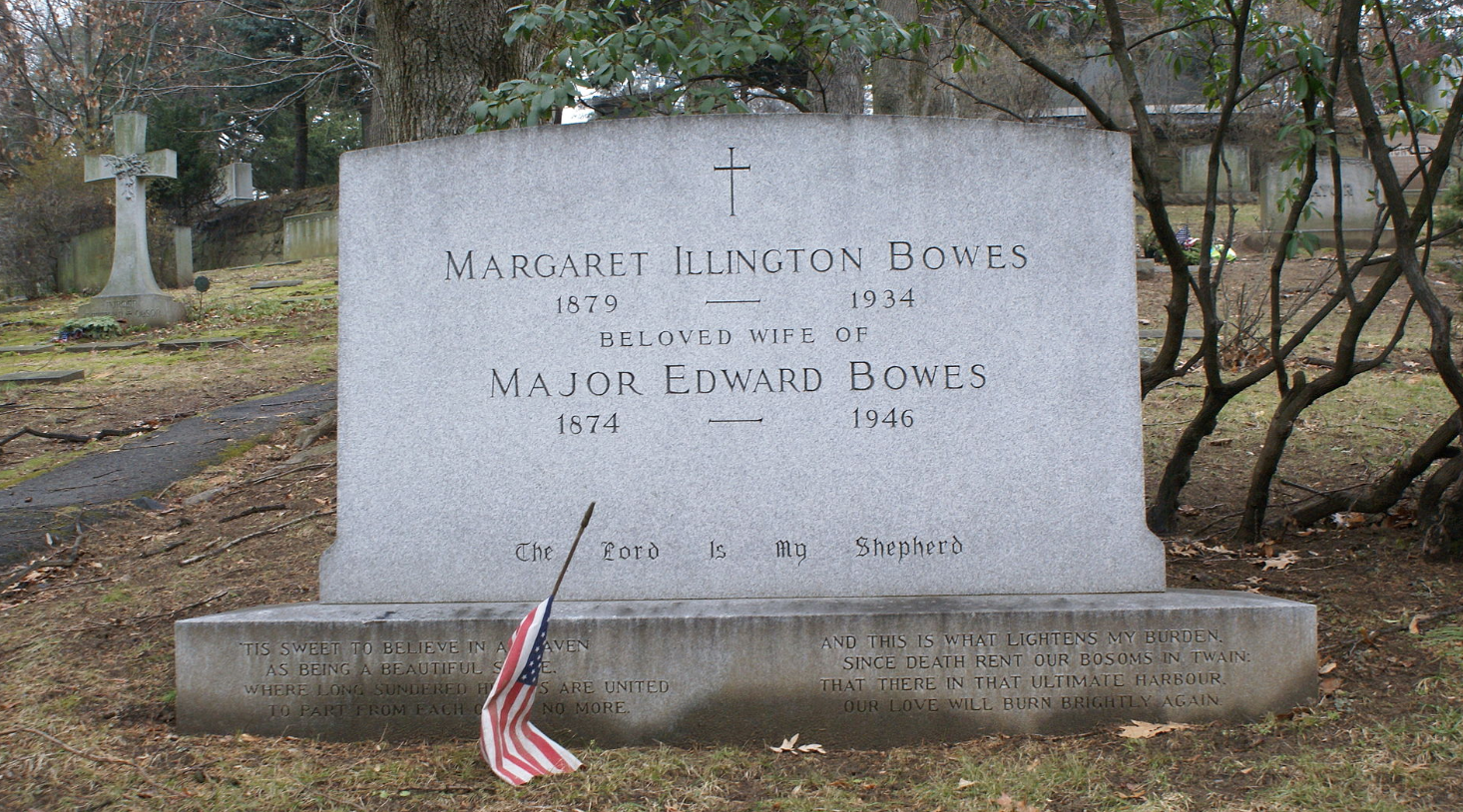
She is buried in Sleepy Hollow Cemetery, next to her second husband Major Edward Bowes.

Screen Shot 2016-05-22 at 2.27.20 PM


John Cheever lived at 197 Cedar Lane (and it’s for sale!)


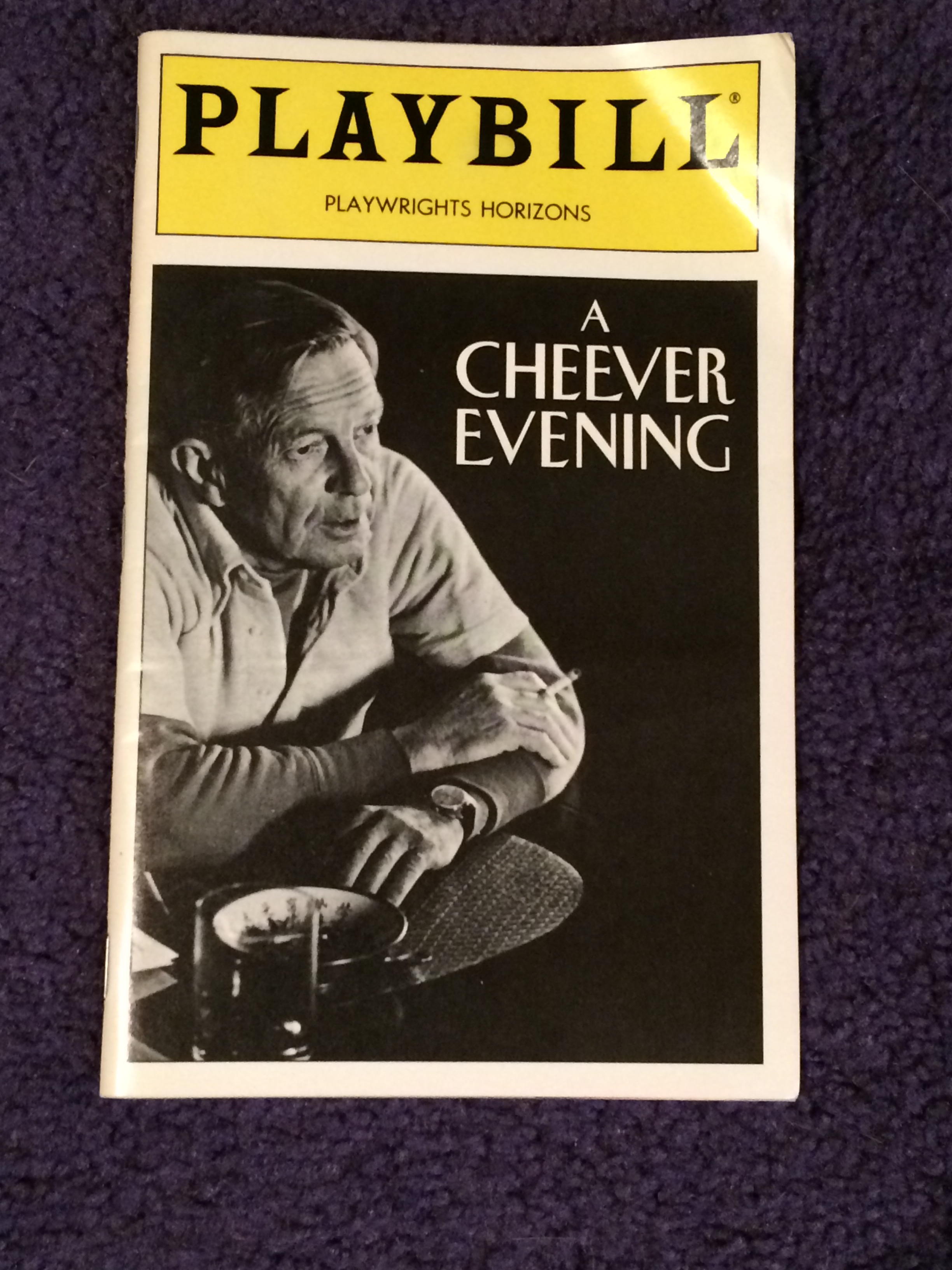
In addition to being a runner, I’m also a stage manager. I got my Equity card in 1994 on a production of A. R. Gurney’s “A Cheever Evening”, a play that adapted several short stories by John Cheever.

Cheever Playbill

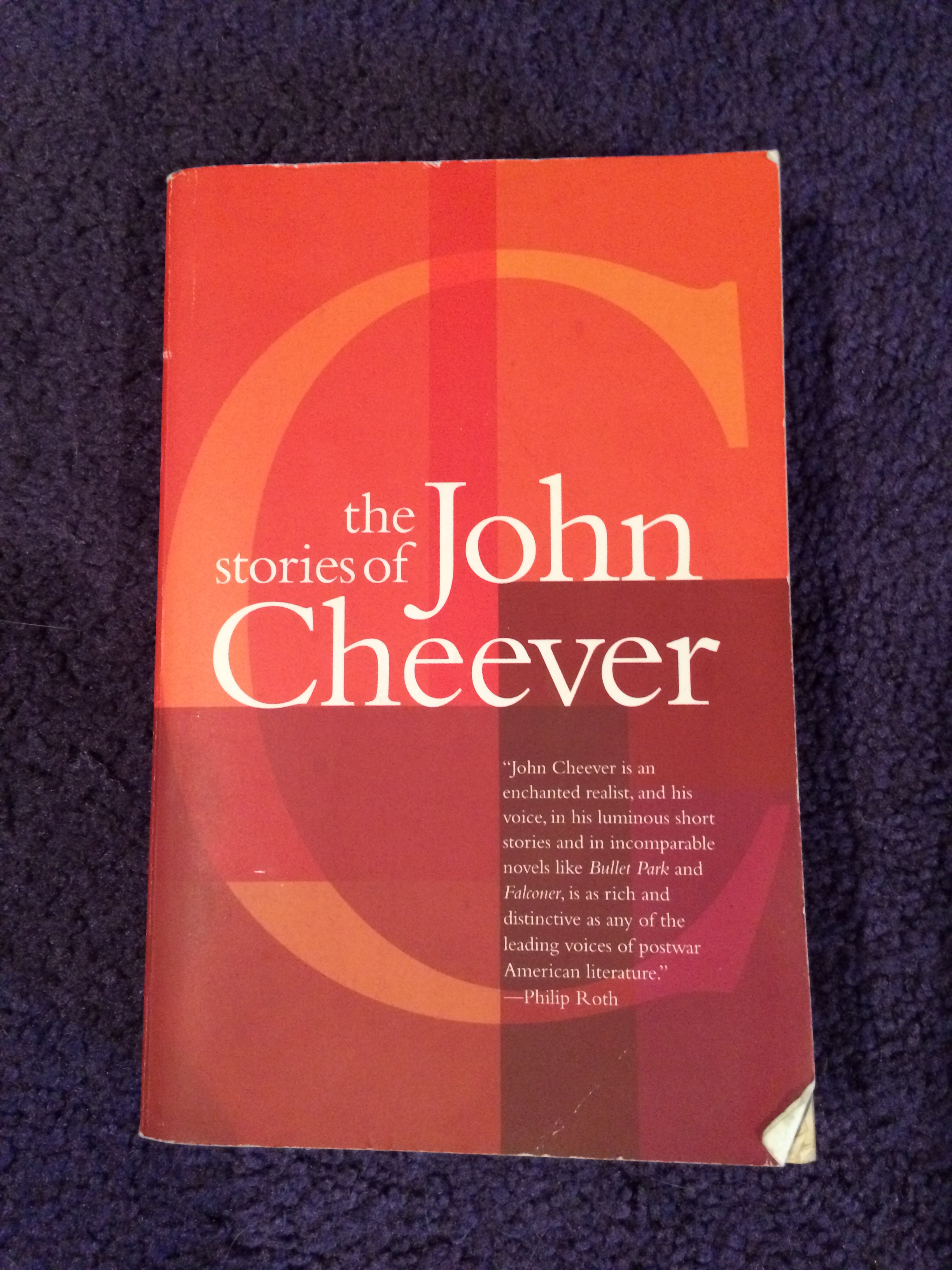
As is so often the case when I do a show, I get obsessed with everything to do with its subject. For this one, I devoured all of Cheever’s work, starting with his Pulitzer Prize-winning book “The Stories of John Cheever”:

Cheever Stories

Now, you may be asking what the connection is between John Cheever and this blog? Well, his old house is a perfect 1.8 miles from mine, and the “John Cheever” is my go-to short run. I run there, peer at the house through the trees at the top of the driveway and run home. I also like to tap this battered mailbox to mark the official halfway point of my run.

IMG_3885

Now, I won’t pretend I moved to Ossining because of John Cheever, but it is a nice little bit of synergy in my life.

Located at 197 Cedar Lane, the house was originally built in 1795. Renovated in the 1920s by architect Eric Gugler (who apparently redesigned the Oval Office for President Franklin D. Roosevelt in the 1930s), Cheever purchased it in 1961. At the time, he wrote:

The closing; and so I have at last bought a house. Coming home on the train, Mary speaks of the complexity of our lives … and it does seem rich and vast, like the history of China. We move books. To Holy Communion, where I first express my gratitude for safe travels, luck with money, love, and children. I pray that our life in the new house will be peaceful and full. I pray to be absolved of my foolishness and to be returned to the liveliness, the acuteness of feeling, that seems to be my best approach to things.

Cheever wrote some of his most famous works in that house – the short story “The Swimmer” (which became a film starring Burt Lancaster in 1968) and “The Wapshot Scandal,” a novel, just to name a very few.

By the mid-1960s, he was arguably one of the most famous living American writers. In 1964, he appeared on the cover of Time Magazine as “The Ovid of Ossining”, and later that year was also dubbed “The Chekhov of the Suburbs” by the New York Times Book Review.

Born in Massachusetts in 1912, Cheever spent much of his adult life in New York, moving to Westchester in the early 1950s. He rented his first house here, a small cottage in Beechwood, the old Frank Vanderlip estate in Scarborough, moving to the Ossining house from there.

He was an active member of the community – Wikipedia says that he was even a volunteer fireman for the Briarcliff Manor Fire Department. A neighbor of mine remembers seeing him walking along Cedar Lane to eat lunch at the old Highland Diner (now DD’s Diner) on North Highland Avenue where he was a regular.  Several other friends of mine were given autographed books by Cheever himself just because they crossed his path in different ways.

In the 1970s, Cheever taught writing to inmates at Sing Sing, using that experience as a springboard to write “Falconer,” a novel that came out in 1977 to great fanfare.  (Rumor has it that some inmates were annoyed by that, though, feeling he only volunteered to teach them in order to use their life stories in his own work.)

In 1979 he was awarded the Pulitzer Prize for Fiction.

Cheever was a complicated man — a depressive and an alcoholic who struggled with his bisexuality. Yet he still managed to write regularly and productively. His daughter Susan wrote about this in-depth in her memoir “Home Before Dark,” which is definitely worth reading if you have any interest at all in Cheever.

Fittingly, the Reading Room at the Ossining Public Library is named after him. Read Library Trustee Bob Minzesheimer’s thumbnail bio of Cheever here.

John Cheever passed away in 1982, and his widow Mary remained in the Cedar Lane house until her death in 2014. A poet, essayist, and historian in her own right, she is perhaps best known for her excellent local history of our area called “The Changing Landscape: A History of Briarcliff Manor – Scarborough.”  (You can find it in the Ossining library or buy it here.) 

Last summer, just after Mary Cheever passed away at the age of 95, the house came on the market.

I couldn’t help myself, I HAD to go see it.

It was an amazing time capsule both of Mary Cheever’s widowhood and, just a little bit, of John Cheever’s life. At the time, the house was still completely furnished — everything comfortably worn, looking like it had been purchased new in 1961 and never replaced. Magazines were stacked on side tables, books filled the built-in bookcases, and I could imagine John Cheever padding into the room in his slippers to take one off the shelf, a glass of scotch tinkling in the other hand. An old manual typewriter sat uncovered on a small wooden table near a window, as if Cheever was just taking a short break before sitting down to write some more.

A double height porch covers the front of the house, the second story of which is screened in and would be a lovely place to sleep on a hot summer night. But the general layout is strange and old, with very low ceilings, small windows with shutters, and fireplaces throughout. But the house and grounds lend themselves to entertaining, and the Cheevers were said to give great parties.  Susan Cheever describes them as “the kind of party that Jay Gatsby should have had. Every writer imaginable was at the house, including Robert Penn Warren, Saul Bellow and John Updike. I still remember Ralph Ellison playing Bach’s “Jesu, Joy of Man’s Desiring” on the alto recorder.”

Oh yeah, I can see all that and then some!

At some point, the Cheevers built an attached writing studio – sadly, it is not at all in keeping with the rustic Dutch Colonial feel, looking more like a mindless 1980s liberal arts college building plunked up against an elegant, historical structure.

The house sits on several acres of land that was once so very carefully landscaped, it is said, that the shrubs bloomed red, white and blue by July 4.

I think the property will require a great deal of love and money to bring it back to its former glory. Now owned by the bank, the asking price has dropped to a bargain basement one of $340K. Check out the listing and slideshow here.   (Thanks Valerie Cascione!)

As far as I know, the house is not listed on the National Historical Register, which means there’s a very real chance this building will be bulldozed by the next owner. But shouldn’t it be saved so that the legacy of one America’s great writers can be preserved for future generations? Imagine the John Cheever Artist’s Retreat right here in Ossining!