Dr. Ruth Murray Underhill – Anthropologist

Dr. Ruth Murray Underhill
Courtesy Denver Museum Nature and Science Center

Dr. Ruth Murray Underhill
1883 – 1984

Red Cross Volunteer WWI
Anthropologist
Author
Professor
Television/Radio Host

***Local Connection:  Linden Avenue***

Ruth Murray Underhill was an anthropologist known for her work with Native Americans of the Southwest.  She was also a social worker, a writer, a Supervisor at the Bureau of Indian Affairs, a professor, and a local television/radio host.  Multi-lingual, Underhill spoke several Western languages, including O’odham and Navajo.
 
Underhill was born in Ossining in 1883. She grew up on Linden Avenue in the rambling Victorian home built by her father in about 1878. (The building still stands today.)
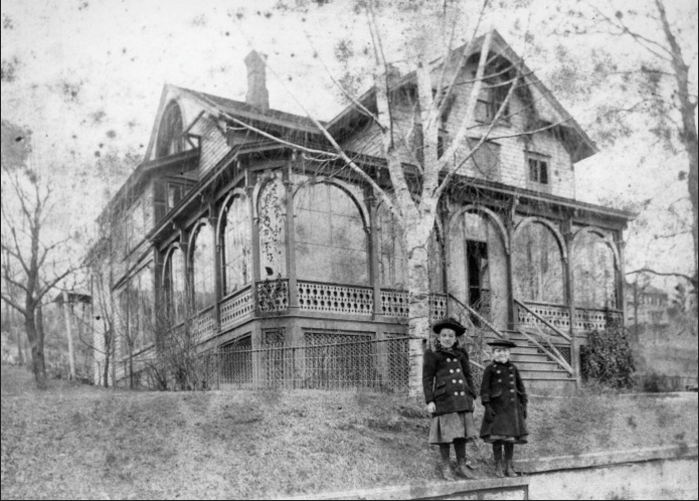
Ruth Murray Underhill and sister Margaret 
in front of the family home on Linden Avenue
c. 1890
 Courtesy of the Denver Museum of Nature & Science

The daughter of Abram S. Underhill and Anna Murray Underhill, her pedigree stretches back to one of the earliest European settlers of this country – Captain John Underhill, who arrived in 1632.  And, according to a 1934 article in the Democratic Register, going even further back, the Underhills were related to a William Underhill of Stratford-upon-Avon who reportedly sold William Shakespeare his home.  
(It is impossible to ignore the irony that this woman, who spent much of her adult life studying and recording the language and culture of Native Americans, was directly related to Captain John Underhill, a man infamous for his brutal tactics against the Native Americans in the 1600s.  He led several bloody massacres and murdered hundreds (if not thousands) of Lenape during the Dutch era in New York State.) 
 
Ruth Underhill attended the Ossining School for Girls (located just across the street from today’s Ossining Public Library):

She would go on to study at Vassar College, graduating in 1905. 
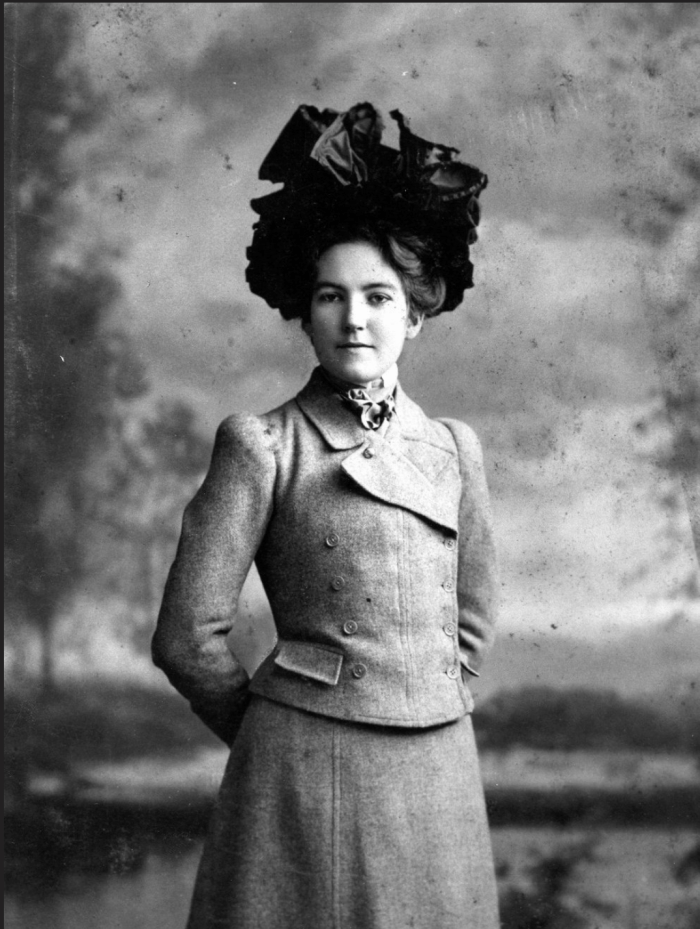
Ruth Murray Underhill, c. 1900
Courtesy of the Denver Museum of Nature & Science

But, as she wrote in her memoir An Anthropologist’s Arrival
 
“I did not start with a career and a goal in mind, not even the goal of marriage – for nice girls did not know whether they would be asked or not. I pushed out blindly like a mole burrowing from instinct.  My burrowings took me to strange places and now in my last hole I am trying to remember how I bumbled and tumbled from one spot to another. This is the story for those friends who wondered how I could even have started the bumbling, for many girls of my era did not.”
 
She spent the next decade searching for her calling – briefly serving as a social worker first in Massachusetts, then in New York City, then traveling around Europe with her family. When World War I broke out, she volunteered for the Red Cross, organizing orphanages for the children of Italian soldiers killed in battle.
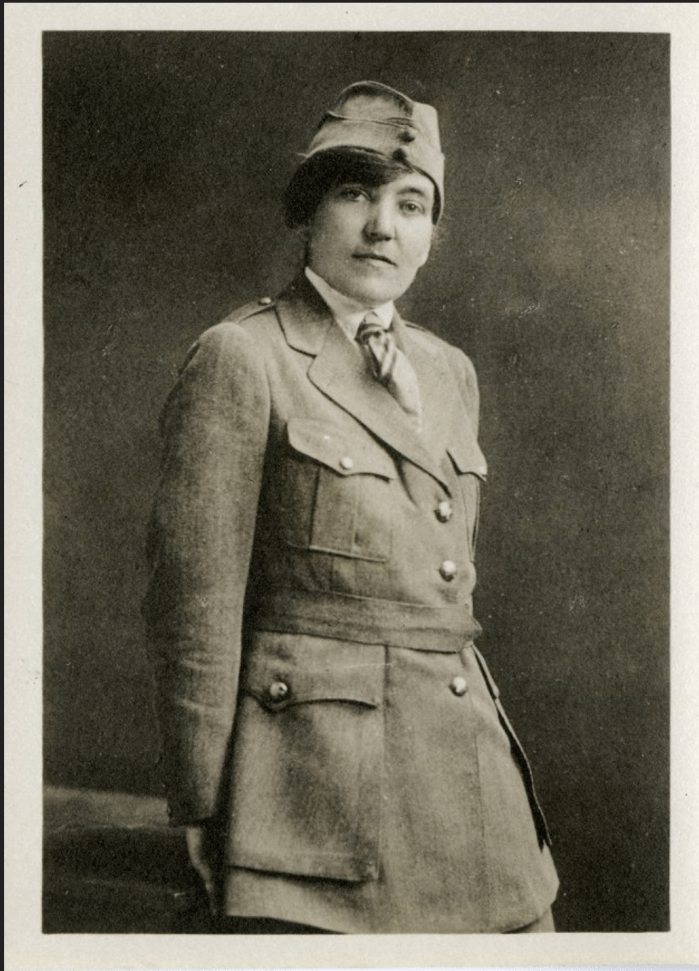
Ruth Murray Underhill in Red Cross Uniform, c. 1917
Courtesy of the Denver Museum of Nature & Science

In 1919 she married Charles Crawford, but she described it as a loveless marriage on both sides that would end in divorce a decade later. 
 
At age 46, Underhill went back to school, enrolling in a graduate program at Columbia University.  
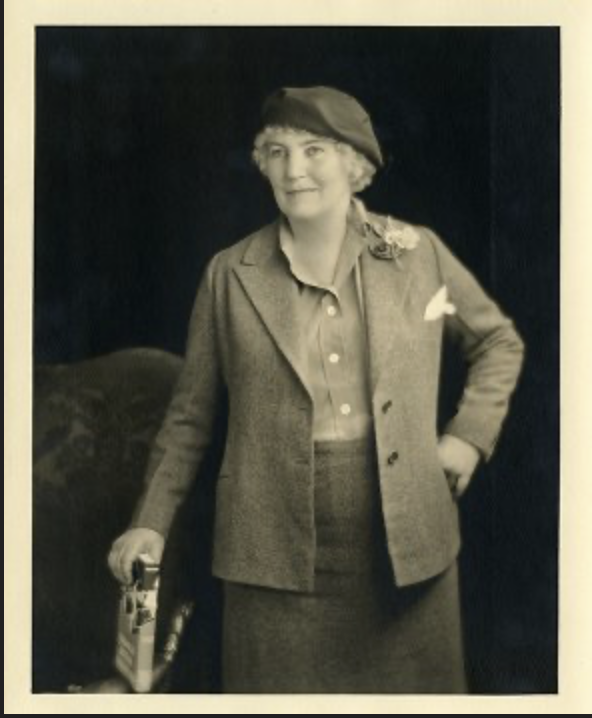
Ruth Murray Underhill c. 1930s

In her memoirs, Underhill tells the story about how she ended up studying anthropology: 

“I am no longer quite sure which departments I visited before anthropology. I think they were sociology, philosophy, and economics. What I said to them in substance was: ‘I find that social work is not doing what I thought it did. I wonder if what you teach would really help me to understand these people. I want to understand the human race. How did it get into the state it is in?’

Upon asking this question of Dr. Ruth Benedict, a well-respected professor in the anthropology department, she found her answer: “You want to know about the human race? . . . Well, come here. That is what we teach.”
 
At the time, the chairman of Columbia’s anthropology department was Dr. Franz Boas, considered by many to be the “father of modern anthropology.” He seems to have been unusually encouraging towards female students – Margaret Mead and Zora Neale Hurston, among others, who studied with him. Both Boas and Benedict would encourage Underhill to pursue a PhD. [Fun Fact: Dr. Boas is buried in Ossining’s Dale Cemetery.]

In 1936, Boas financed field work for Underhill to go to Arizona to study the Papago (today known as the Tohono O’odham.) Out of this work came Underhill’s doctoral thesis “Social Organization of the Papago Indians” and the first published autobiography of a Native American woman, Autobiography of a Papago Woman. Living with and studying the Papago in southern Arizona for several years, she became close to Maria Chona, an elder and leader of her tribe.   
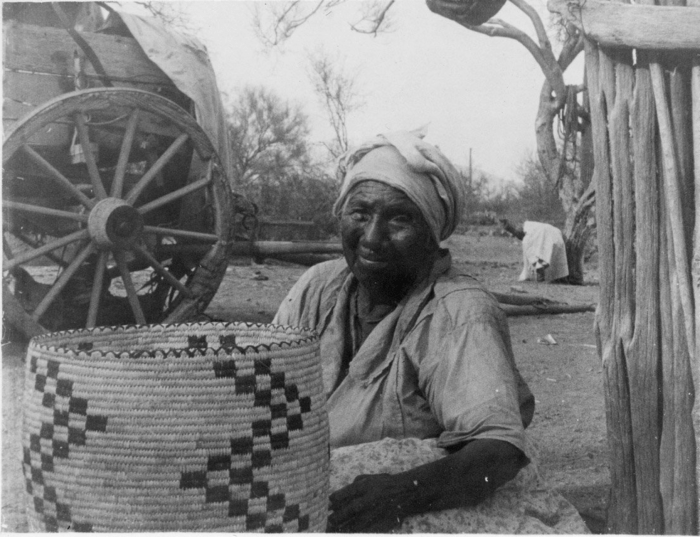
Maria Chona, Elder of the Papago (Tohono O’odham) c. 1936
Courtesy of the Denver Museum of Nature & Science
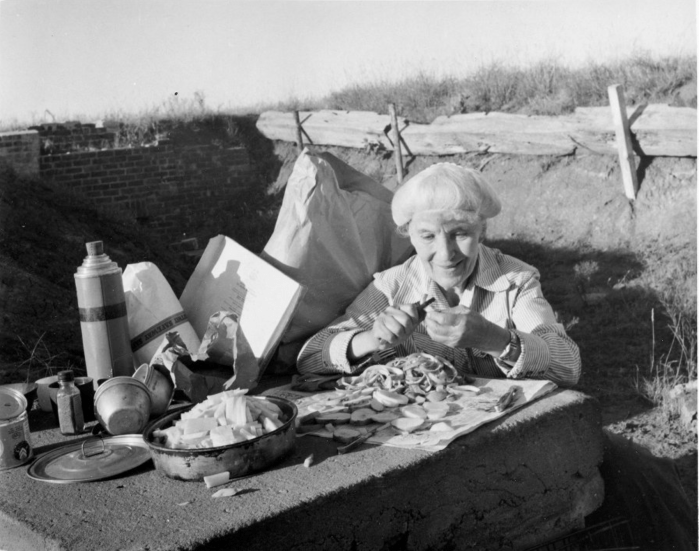
Dr. Underhill peeling potatoes at her campsite in Arizona, c. 1936
Courtesy of the Denver Museum of Nature & Science

In her book, Underhill documented the rites, ceremonies and history of Chona and her tribe.  Underhill even wrote about the rituals surrounding menstruation, which must have been deeply shocking for her readership at that time.

Underhill received her doctorate in 1937 and began studying Navajo culture.
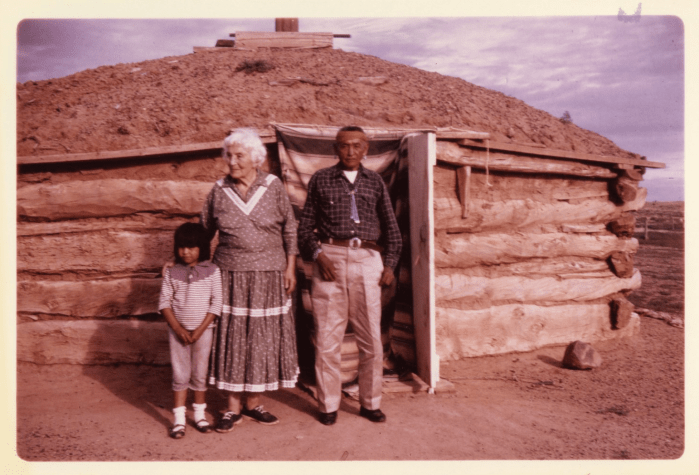
Dr. Underhill with members of the Navajo nation, c. 1940s
 Courtesy of the Denver Museum of Nature & Science

From there, she went on to work for the Bureau of Indian Affairs, becoming Supervisor of Indian Education and helping develop curricula for Native American reservation schools. 

In 1948 Underhill became a Professor of Anthropology at the University of Denver, but “found the students languid.”  
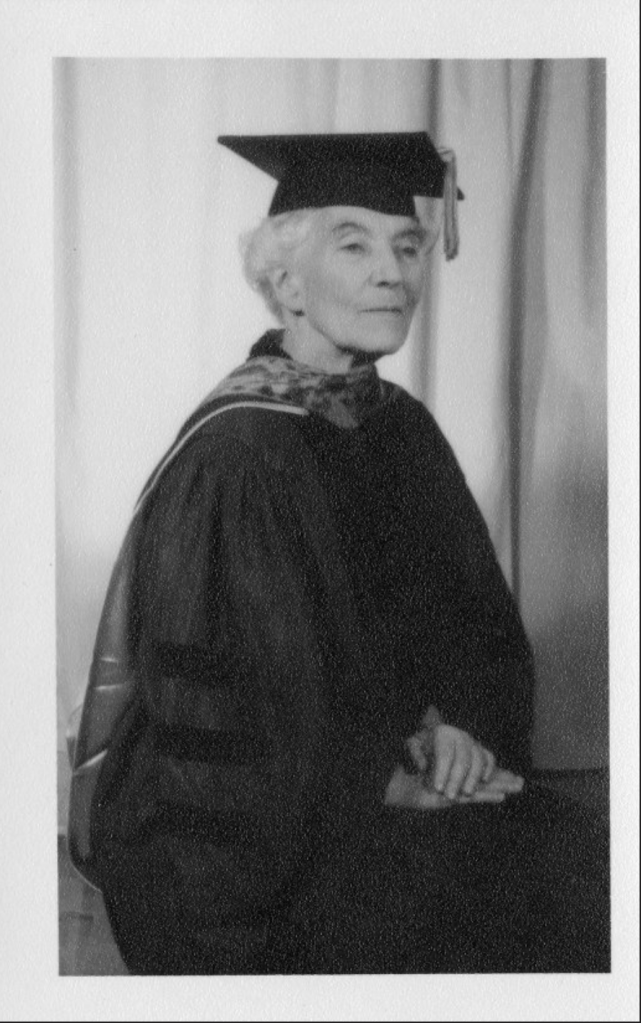
Dr. Underhill in cap & gown for a University of Denver Commencement, c. 1950
Courtesy of the Denver Museum of Nature & Science

She would retire from the University just five years later and travel the world solo.
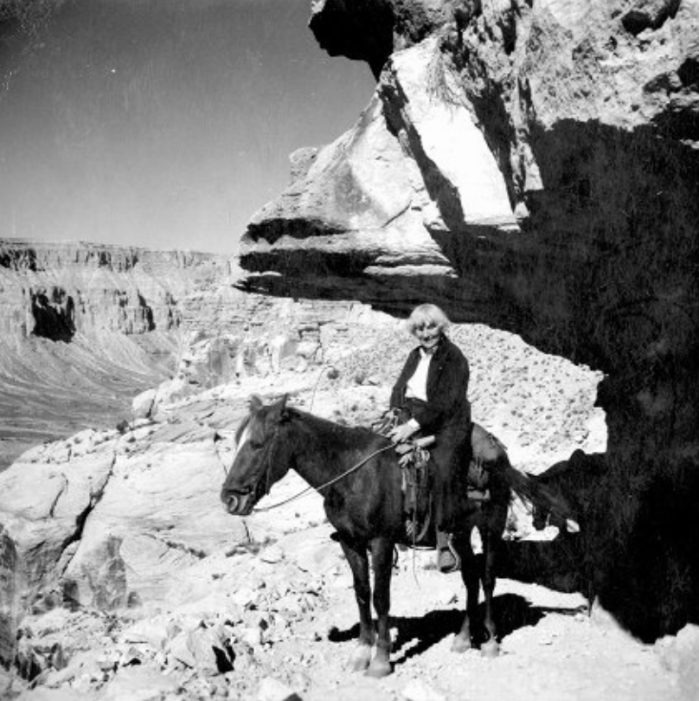
Dr. Underhill at the Rainbow Bridge in Arizona, c. 1950
Courtesy of the Denver Museum of Nature & Science

Upon returning home, she would write what is considered her seminal work, Red Man’s America – a textbook on Native American cultures and histories.  
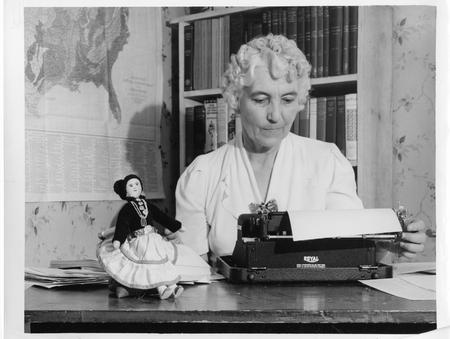
Dr. Underhill c. 1950s
 Courtesy of the Denver Museum of Nature & Science

On the strength of that, she was asked to host a public television program of the same name that ran from 1957 – 1962.
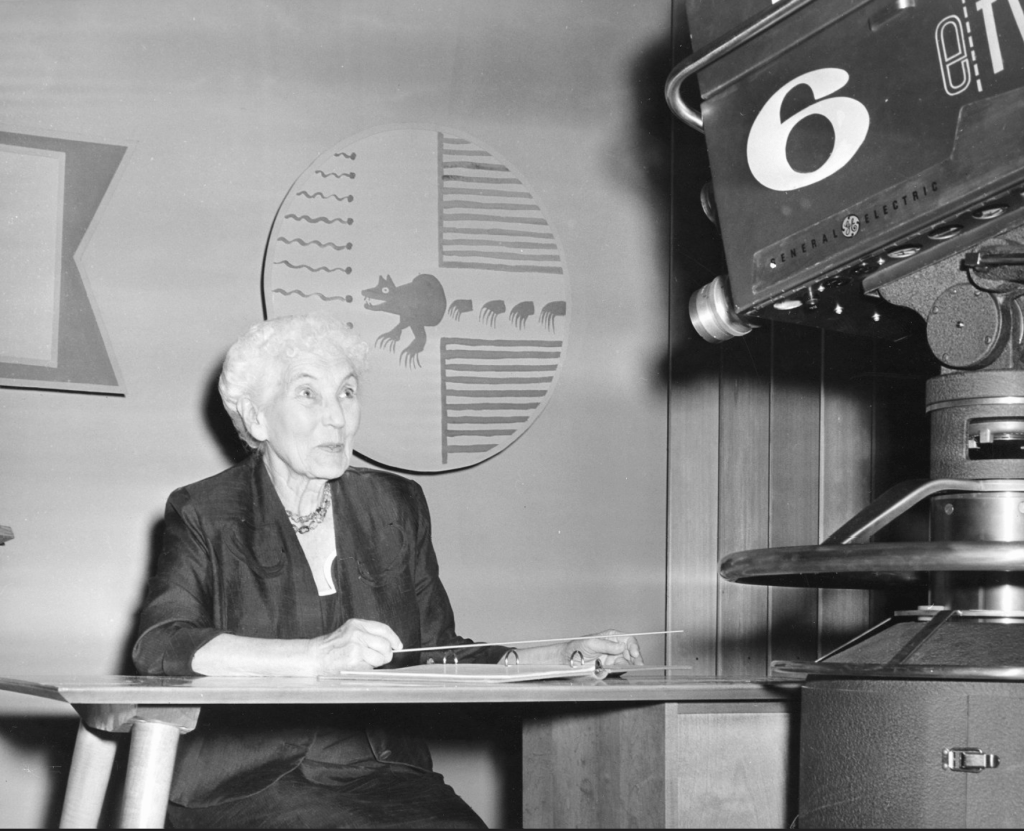
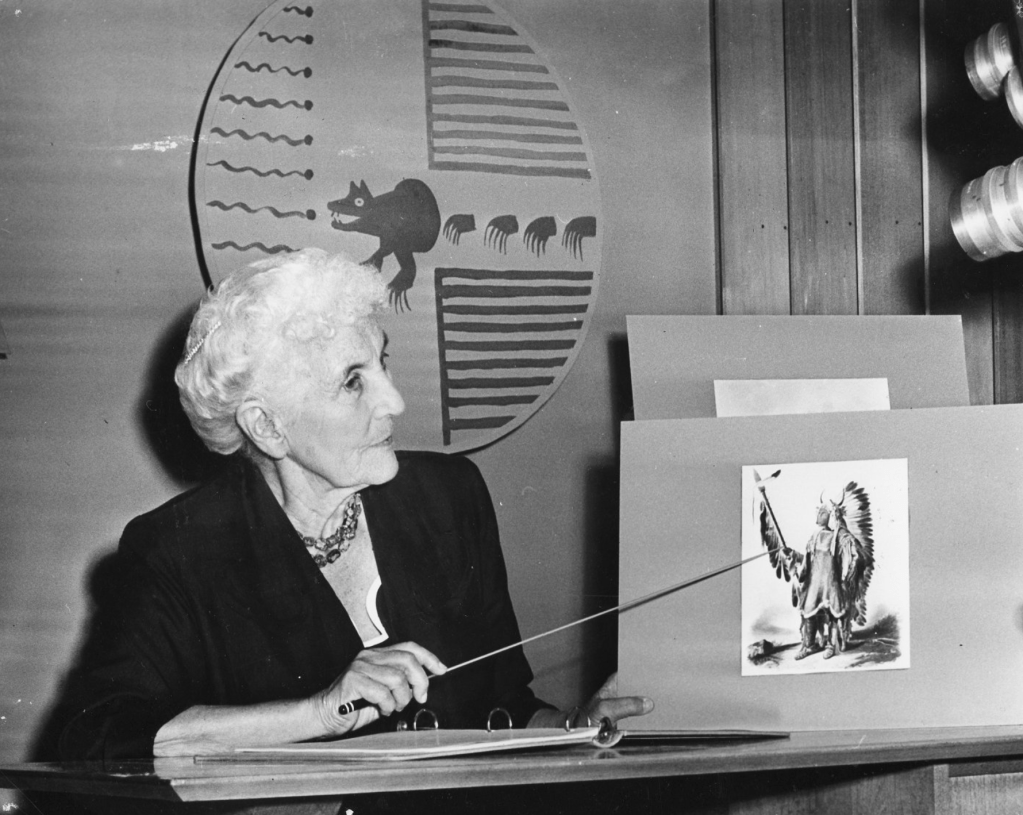
Dr. Ruth Murray Underhill on TV c. 1957 
 Filming “Red Man’s America” for KRMA-TV channel 6, an educational TV station owned and operated by the Denver Public Schools.
 Courtesy of the Denver Museum of Nature & Science

Underhill would stay in contact with the members of the Papago and in 1979, they honored her with the following:

“It was through your works on the Papago people that many of our young Papagos, in search of themselves, their past, their spirit have recaptured part of their identities. Your works will continue to reinforce the true identity of many more young people as well as the old.   It is with this in mind that we wish to express our deep sense of appreciation.”

She would die just shy of her 101st birthday.
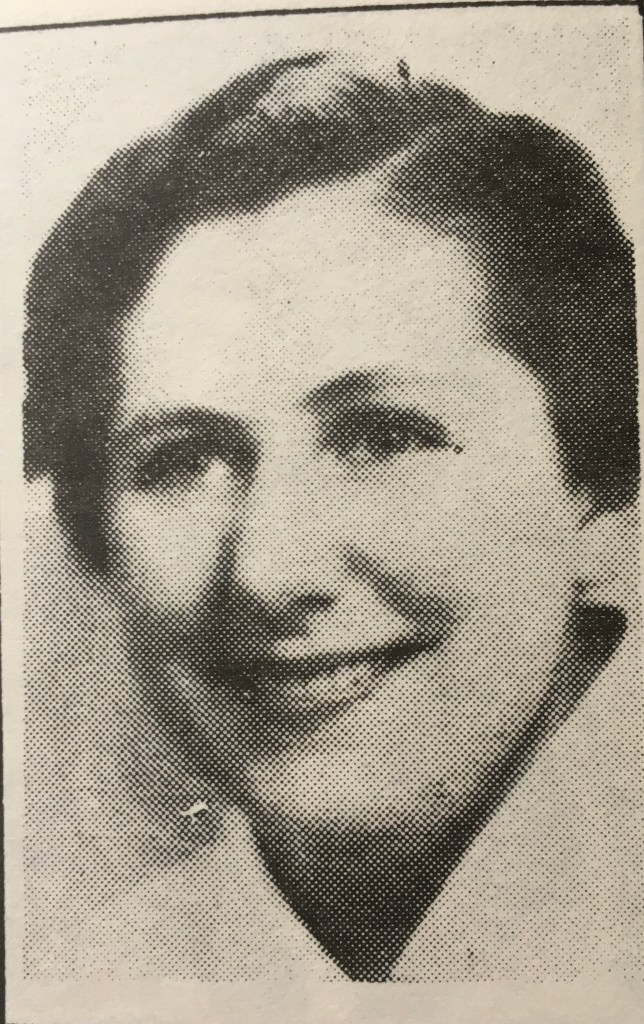
Ensign Mary Feeney Gordenstein

Ensign Mary Feeney Gordenstein
Courtesy of the Ossining Historical Society and Museum

Ensign Mary Feeney Gordenstein
1916 – 1943
OHS 1933


U.S. Navy Nurse, Died in Action , World War II
 ***Local connection:  Hamilton Avenue
***

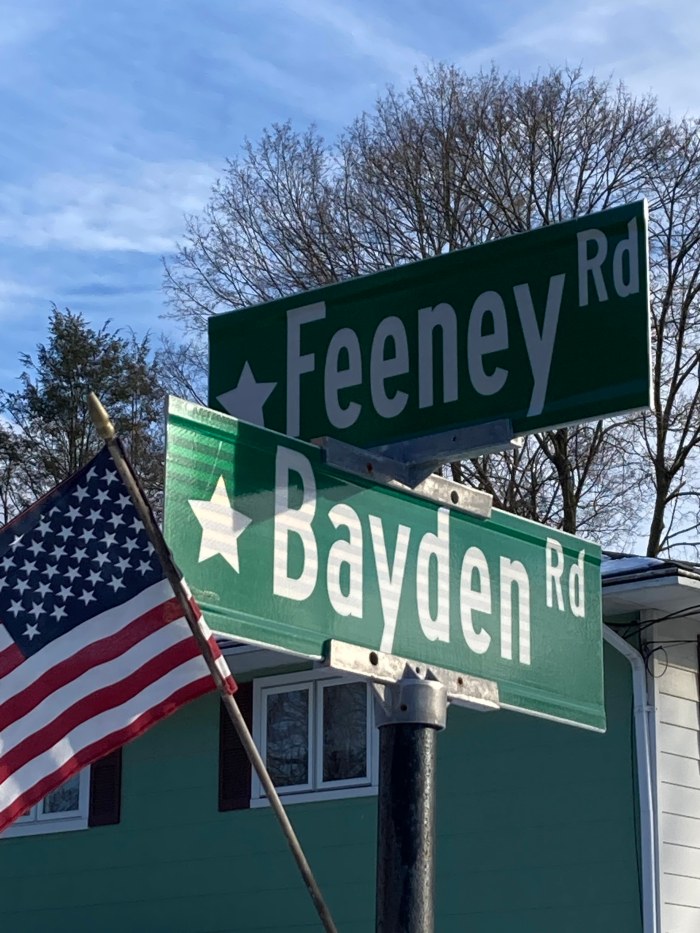
Did you know that Feeney Road in the Town of Ossining is named after Ensign Mary Feeney Gordenstein, a US Navy nurse who died in Pearl Harbor, Hawaii on April 14, 1943?

Mary Feeney was born in Ossining on September 11, 1916, to John and Ida Mae (Farren) Feeney.  Her father was a desk clerk for the Ossining Police.

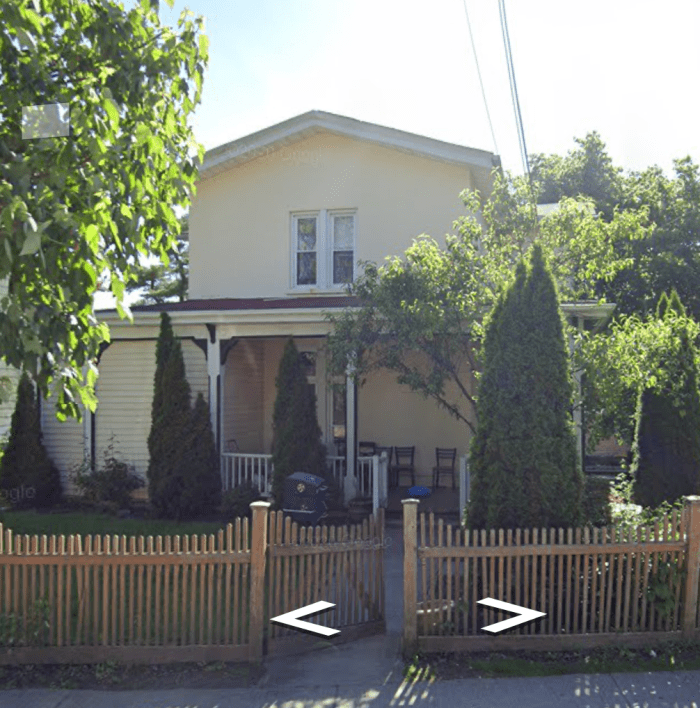
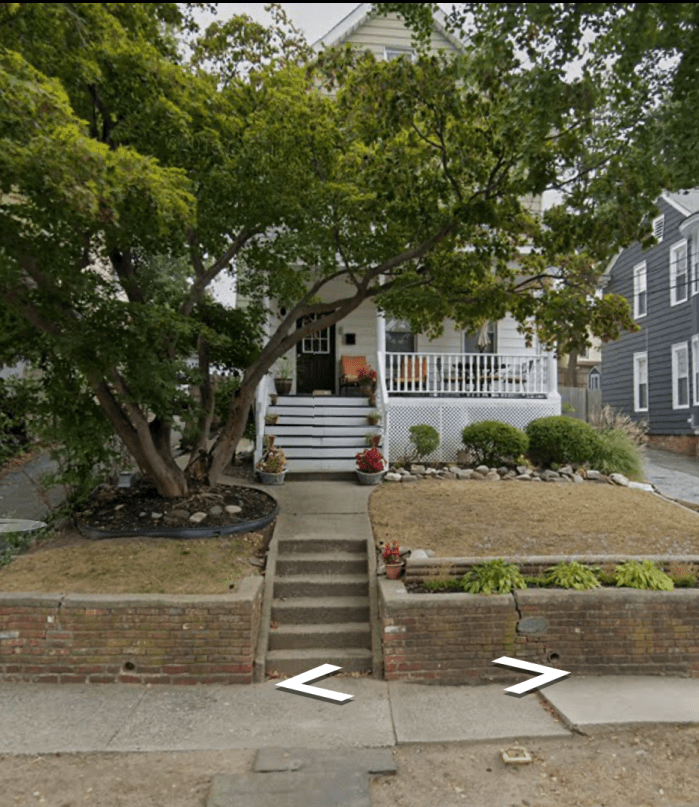
They first rented a house at 72 South Highland Avenue and then moved to 31 Hamilton Avenue.

Both houses still stand today:

72 Highland Avenue. Photo source: Google Streetview
31 Hamilton Avenue. Photo source: Google Streetview

Mary went to Ossining High School, graduating in 1933. She then went on to study at the Cochran School of Nursing at St. John’s Riverside Hospital, Yonkers, graduating in 1937.  

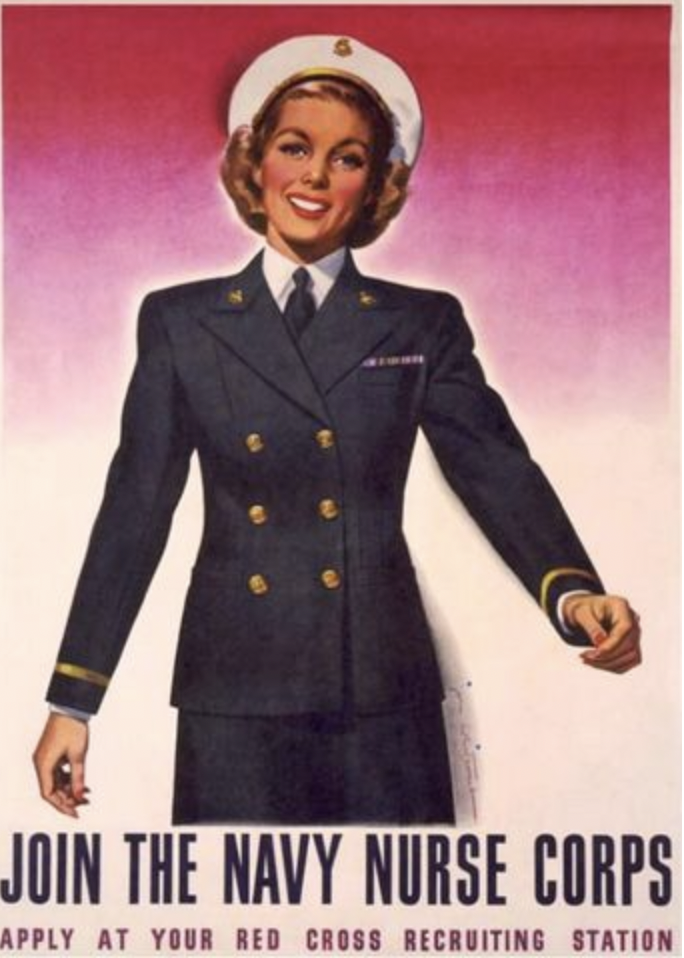
The census for 1940 has her working in “private practice.”  In August 1941, she entered the US Navy Nurse Corps as an Ensign and spent at least four months in training before being shipped out. (For more on the US Navy Nurse Corps see here and here.)

Navy Nurse Recruiting Poster.  
Courtesy of the National Archives

When Ensign Feeney joined up, there were only about 800 Navy nurses on active duty.  By the end of World War II, over 11,000 nurses, both active and reserve, were serving in the Navy.  

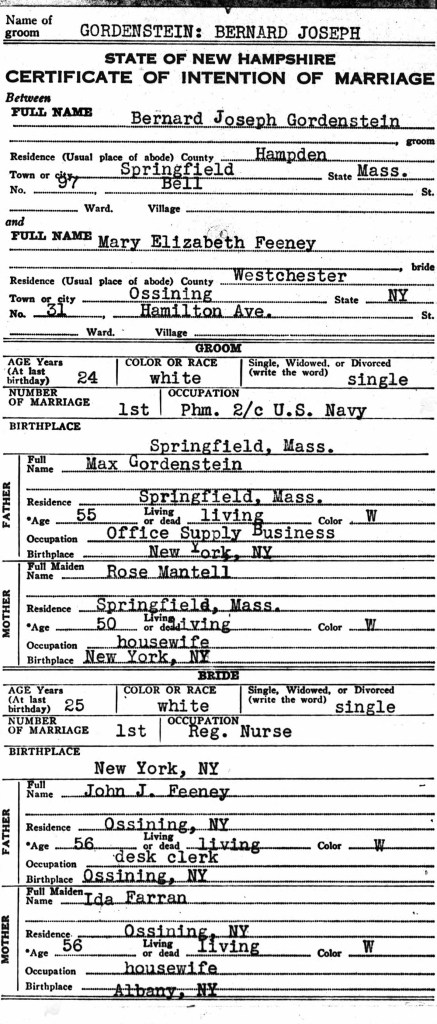
Ensign Feeney’s initial posting is still unclear, but in May of 1942 she married Bernard Joseph Gordenstein in Hillsborough, New Hampshire.  He was also in the Navy, serving as a pharmacist. (This bit of information came as something of a surprise to the members of the Feeney family consulted for this exhibit.  This might explain why the road is named Feeney and not Gordenstein.)

At some point, after the December 7, 1941 Pearl Harbor attacks, Ensign Mary Feeney was posted to Hawaii and served at the Pearl Harbor Naval Hospital.  This was where injured warriors, primarily those from the Pacific Theatre of Operations, were stabilized before they were sent back to the US.

Here’s a 1942 photo from the U.S. Navy Bureau of Medicine and Surgery — while I can’t prove it, I have a feeling that the third nurse from the left, in the back row, might be our Mary Feeney.

Administrative group including Navy nurses and Red Cross workers at the Pearl Harbor Naval Hospital, 1942.
Courtesy U.S. Navy Bureau of Medicine and Surgery

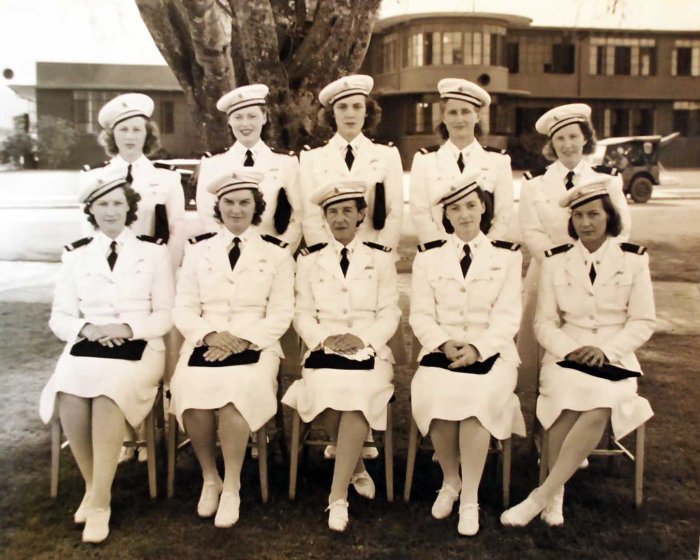
And in the photo below, the nurse seated in the front row all the way on the left actually does look very much like Ensign Feeney. (What do you think?) If it is, it would have been taken just four months before her death.

U.S. Navy Nurses pose for a group portrait at Pearl Harbor, Territory of Hawaii, December 16, 1942.  Photo source: National Museum of the U.S. Navy

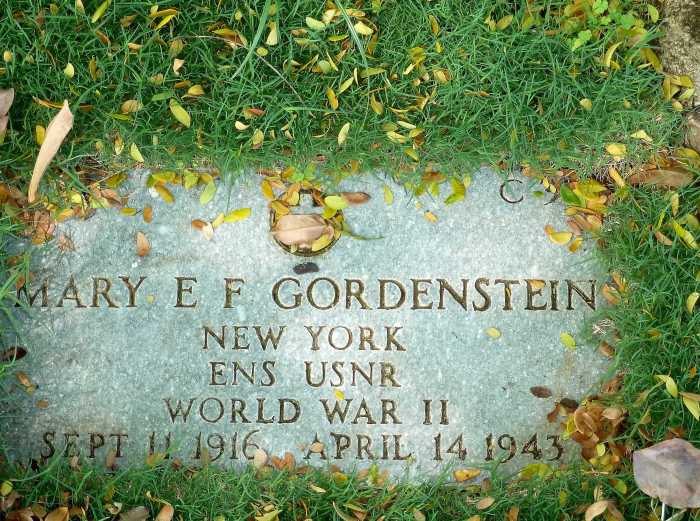
Sadly, Ensign Mary Feeney’s career in the US Navy was brief – she died of pneumonia on April 14, 1943 while stationed at the Pearl Harbor Naval Hospital.   

She was posthumously awarded the Bronze Star for “Heroic or Meritorious Achievement or Service.”

She is buried in the Punchbowl National Memorial Cemetery of the Pacific on Oahu.

And in 1963, the Town of Ossining would name a street in the newly completed Lakeville Estates subdivision after her.

Lorraine Hansberry – Playwright, Civil Rights Activist

Lorraine Hansberry, c. 1964

Lorraine Hansberry
1930 – 1965

Playwright
Author
Civil Rights Activist
***Local Connection: Bridge Lane, Croton-on-Hudson***

Lorraine Hansberry was born in Chicago, IL to Carl August Hansberry, a successful real estate speculator (known as “The Kitchenette King of Chicago”) and Nannie Louise Perry, a teacher. 

When Hansberry was 8, her parents purchased a house in a white neighborhood, but faced intimidation and threats from the residents who tried to force them to leave. Hansberry remembered rocks being thrown through their windows, and her mother prowling the house after midnight carrying a German Luger pistol when Carl Hansberry was away on business.

Illinois courts upheld the ongoing eviction proceedings and found that by purchasing their house, the Hansberrys had violated the “white-only” covenant of that subdivision. However, Hansberry’s father took the case all the way to the United States Supreme Court and won. 

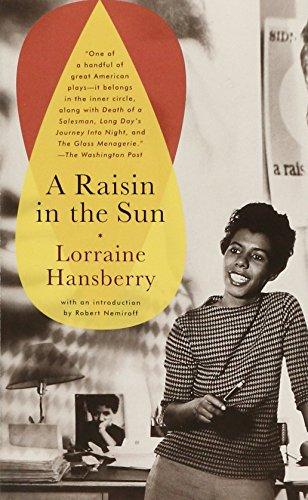
This experience would inspire Hansberry’s most famous play A Raisin in the Sun.

In 1950, Hansberry moved to New York City to pursue a career as a writer.  Landing first in Harlem, she began working for Paul Robeson’s Black, radical newspaper Freedom, a monthly periodical.

At Freedom, she quickly rose through the ranks from subscription manager, receptionist, typist, copy editor to associate editor, along the way writing articles and editorials for the paper.  It was during this time that she wrote one of her first theatrical pieces, a pageant for “The Freedom Negro History Festival” that would feature Paul Robeson, Harry Belafonte and Sidney Poitier, among other luminaries.  

In 1953, she married Robert Nemiroff, a book editor, producer, and composer of the hit single “Cindy, oh Cindy.”  They moved to 337 Bleecker Street in Greenwich Village and it was here, in 1957, that she wrote her semi-autobiographical play A Raisin in the Sun.

It took the producers nearly two years to raise the funds, as investors were wary of backing the first play of an unknown 26-year-old Black woman. Premiering in New Haven, Connecticut, A Raisin in the Sun opened on Broadway in March 1959 and was the first Broadway show to be written by Black woman and the first to be directed by a Black man (Lloyd Richards.)  Starring Sidney Poitier, Ruby Dee and Claudia McNeil, the production was nominated for four Tony Awards.  The original production ran for 530 performances – a remarkable feat in those days and would make a successful transfer to the big screen in the 1961 movie written by Hansberry and starring most of the Broadway cast. Today it is a staple of high school and college curricula and is considered one of the greatest American plays of the 20th century.  It continues to be produced all over the world.

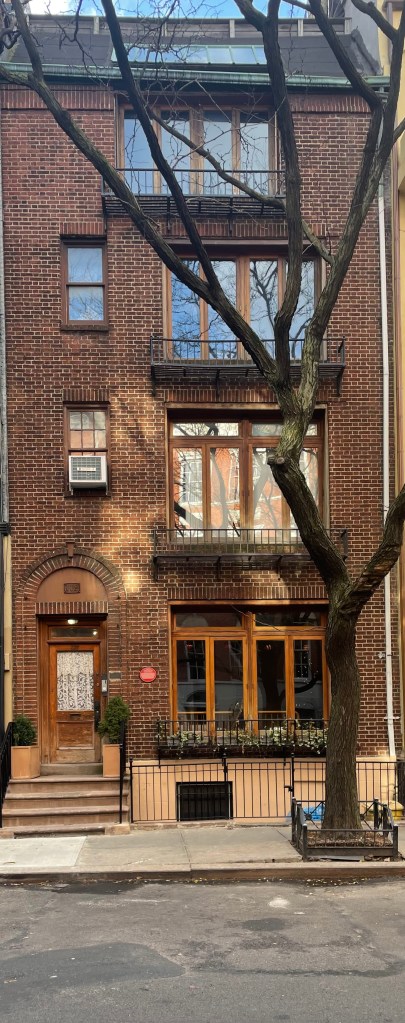
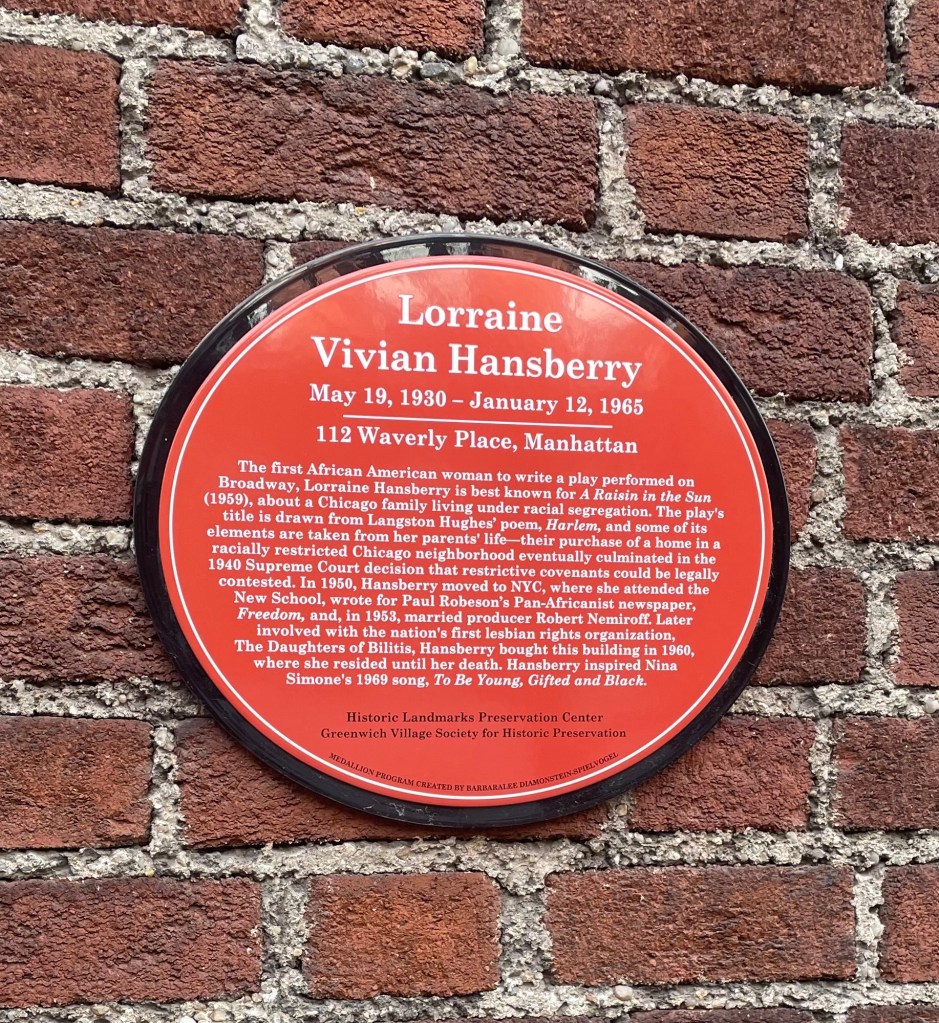
After the success of A Raisin in the Sun, Hansberry purchased a townhouse in Greenwich Village.

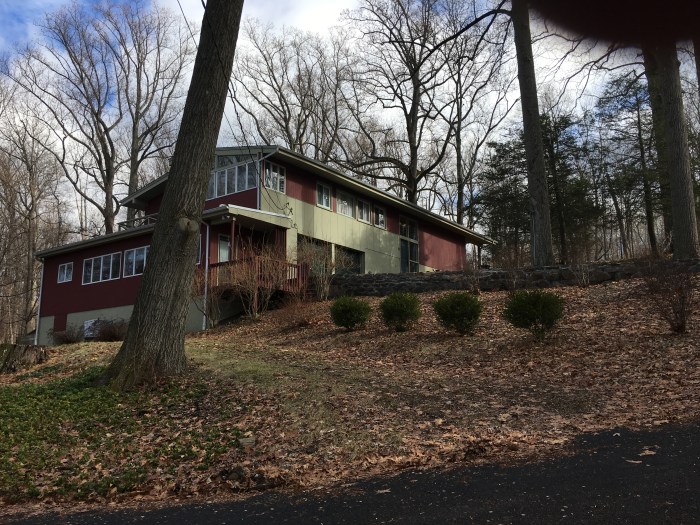
Soon after, she would purchase a house in Croton-on-Hudson. Ironically calling her Bridge Lane home, “Chitterling Heights,” it became her escape from the city, her writing studio, and a place where Black artists and progressives (such as Langston Hughes, Alex Haley, and Ruby Dee) would gather.

Lorraine Hansberry’s house on Bridge Lane, c. 2018

Hansberry’s Broadway success catapulted her into the whirlwind of popular intellectual discourse, and she used her newfound fame to speak out on things that mattered to her.  She became a star speaker, dominating panels, podiums and television appearances.  Her quick wit and provocative stances made her popular with the media as she could always be counted on for spirited discussion.  

She was deeply involved in the Civil Rights movement, appearing at numerous events and meeting with political leaders:

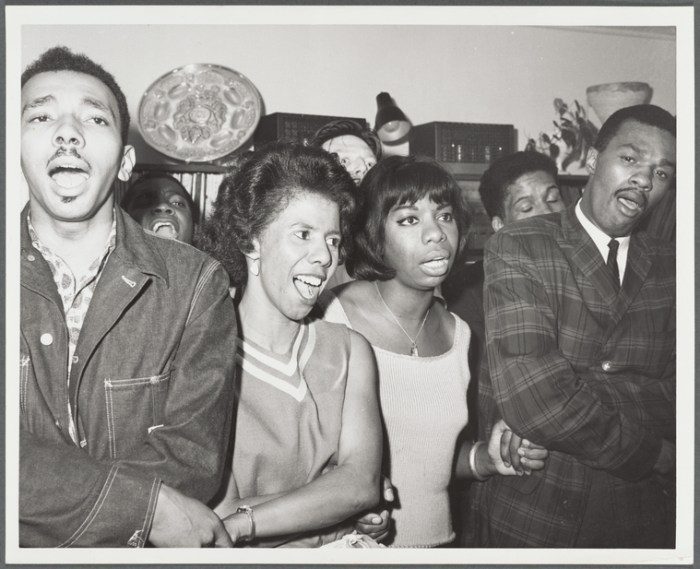
Hansberry with Nina Simone at a Student Non-Violent Coordinating Committee event, 1963.
Courtesy of the New York Public Library

By 1963, as one of the intellectual leaders of the civil rights movement, Attorney General Robert F. Kennedy would meet with her, James Baldwin, Lena Horne, Harry Belafonte and others for advice on civil rights and school desegregation initiatives.  (Read a May 25, 1963 New York Times article about this meeting here.)

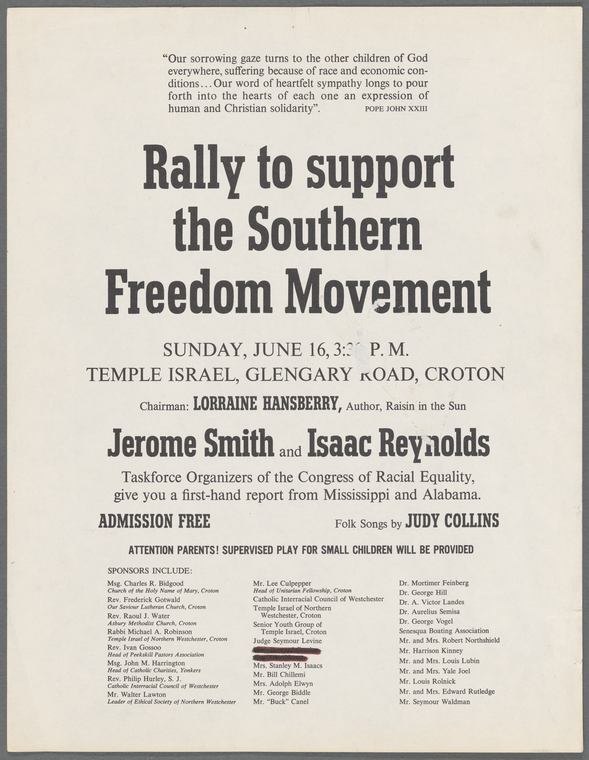
In 1964, Hansberry was integral in organizing and participating in one of the first fundraisers in the New York City area for the civil rights movement, held at Croton’s Temple Israel.   (The 1963 Birmingham church bombings catalyzed many on the East Coast.)  

She was the MC of the event, and brought in other like-minded celebrities, including Ossie Davis, James Baldwin, and Judy Collins. They raised over $11,000 for organizations like the Congress of Racial Equality – Freedom Summer voter registration project (CORE), the Student Non-violent Coordinating Committee (SNCC) and the NAACP.

Some of the money raised went towards the purchase of a Ford station wagon that Freedom Riders James Chaney, Andrew Goodman, and Michael Schwerner were driving the night they were murdered by the Ku Klux Klan in Philadelphia, Mississippi.

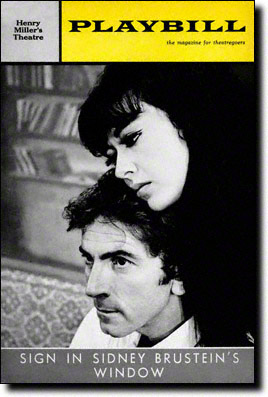
Unofficially separated for several years, Hansberry would divorce Robert Nemiroff in 1964, though they remained close collaborators and business partners to the end of her life.  Nemiroff produced her final play, The Sign in Sidney Brustein’s Window, which opened on Broadway in October 1964.

In January 1965, Hansberry would die from pancreatic cancer at the age of 34, two days after The Sign in Sidney Brustein’s Window closed.  

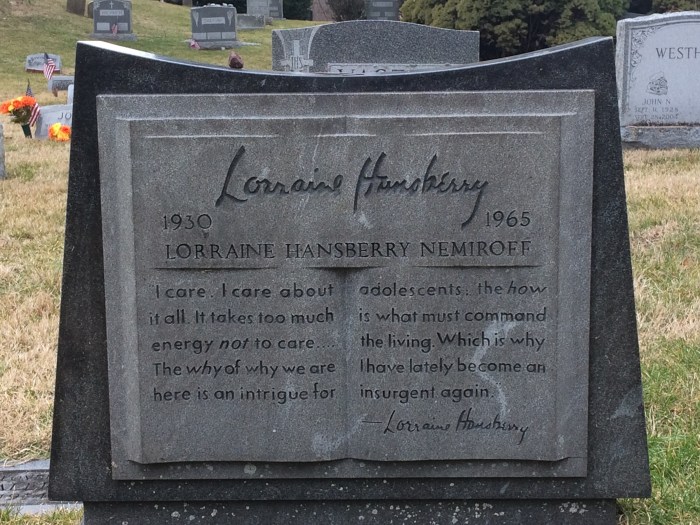
She is buried in the Bethel Cemetery in Croton-on-Hudson, New York.

CODA:

“You are young, gifted, and black. In the year 1964, I, for one can think of no more dynamic combination that a person might be.”

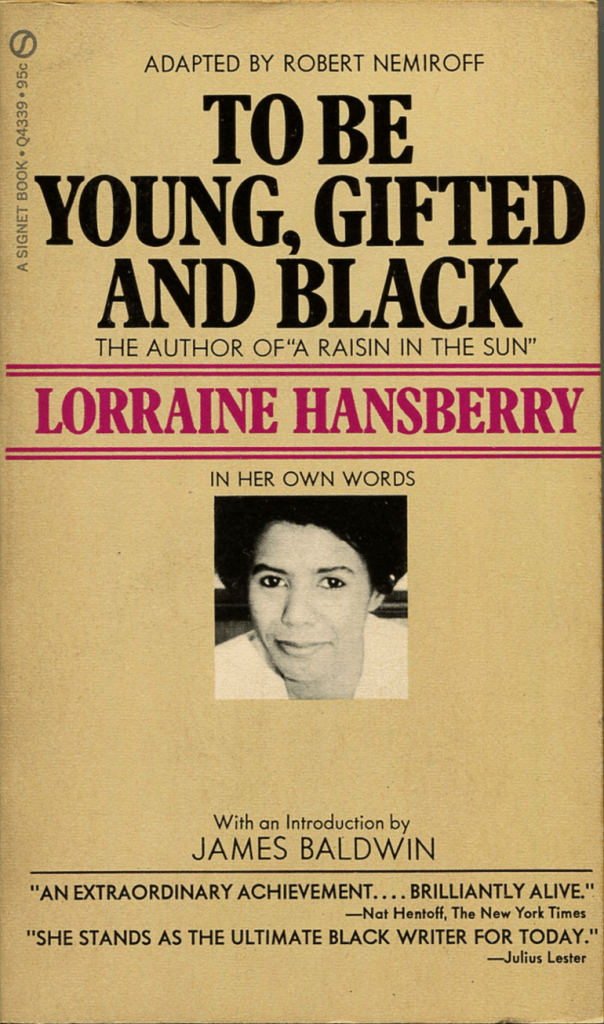
The above quotation comes from a talk Lorraine Hansberry gave to six teenage winners of a Readers’ Digest/ United Negro College Fund writing contest. In 1968, ex-husband and literary executor Robert Nemiroff would compile many of Hansberry’s unfinished and unpublished works into an off-Broadway play called Young, Gifted and Black.  This in turn would be adapted into a posthumous autobiography of the same name published in 1969.  

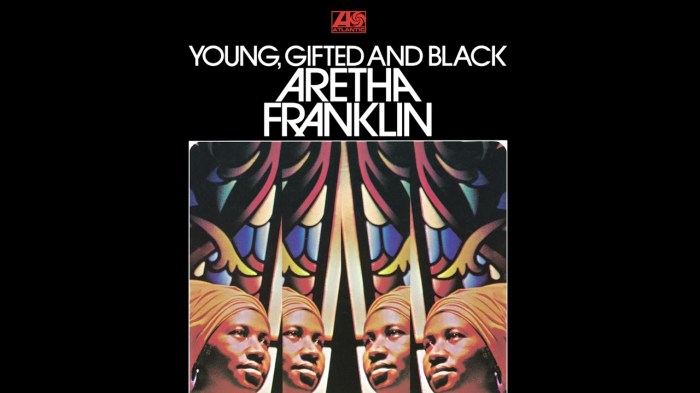
Singer/Songwriter Nina Simone would be inspired to write and record a song with that title and in 1972, singer Aretha Franklin would release an album of the same name.

There have been numerous productions of her seminal play A Raisin in the Sun – on Broadway and off-, internationally, in regional theaters, on television and film. In 1973, a musical version of the play, called Raisin won the Tony Award for Best Musical. In 2010, playwright Bruce Norris wrote Clybourne Park which tells the story before and after the events of A Raisin in the Sun and in 2013, Kwame Kwei-Armah wrote Beneatha’s Place which imagines what happened to the character of Beneatha after the events of A Raisin in the Sun.

It is a play and a story that continue to inspire.

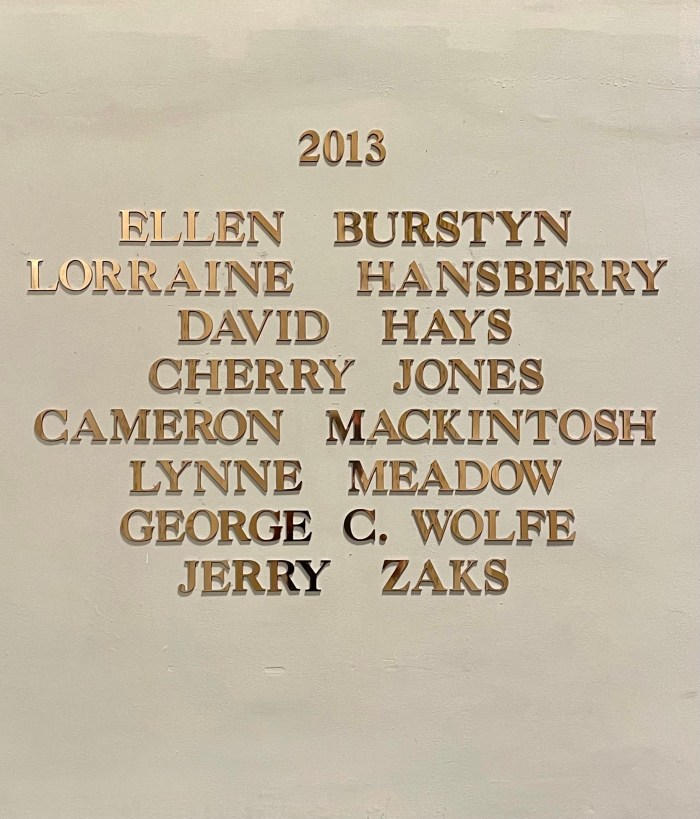
Yet, it took until 2013 for Lorraine Hansberry to be inducted into the Theatre Hall of Fame:

Finally, today, in addition to her other accomplishments, Lorraine Hansberry is now being hailed as a figurehead of the LGBTQ movement. However, this is a little tricky, as Hansberry was not out during her lifetime.  For five decades after her death, ex-husband and literary executor Robert Nemiroff restricted access to any of Hansberry’s writings that explored her sexuality. It wasn’t until 2013 that researchers were allowed to see these previously hidden articles, letters, and journal entries. Since then, Hansberry has emerged as a queer icon. Her published works from this cache, often signed only with her initials, reveal a thoughtful and progressive thinker, while her private writings offer a new perspective on this multifaceted artist.

Mother Mary Joseph – Founder, Maryknoll Sisters

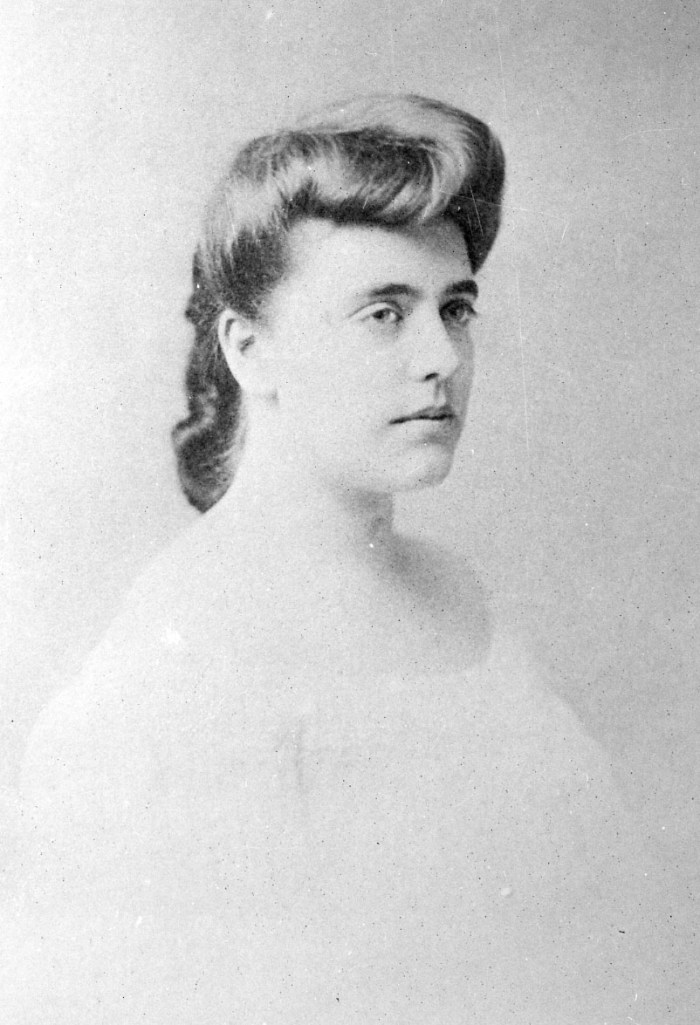
Mother Mary Joseph, c. 1936
Courtesy Maryknoll Mission Archives

Mother Mary Joseph
1882 – 1955

Founder, Maryknoll Sisters
***Local Connection: Maryknoll Sisters, Pinesbridge Road***

Born to an Irish-Catholic family in Roxbury, Massachusetts, Mary “Mollie” Josephine Rogers grew up as a dutiful, observant Catholic.

It wasn’t until she attended Smith College as a Zoology major that she became inspired by the active Protestant Mission Study groups. She wondered, why didn’t the Catholic students have anything similar? 

Mollie Rogers, c. 1905
On the occasion of her graduation from Smith College
Courtesy Maryknoll Mission Archives

After graduation, she went on to get a teaching certificate and was invited back to Smith as a “demonstrator” in the Department of Zoology.  It was during this time that she was tapped to lead a Bible and Mission Study class for Catholic undergraduates at Smith.  To prepare, she contacted Father James Walsh, Director of the Society for the Propagation of the Faith in Boston.  At the time, her goal was simply to “inspire the girls to do actual work when they leave college [and] show them how great the Church is.”

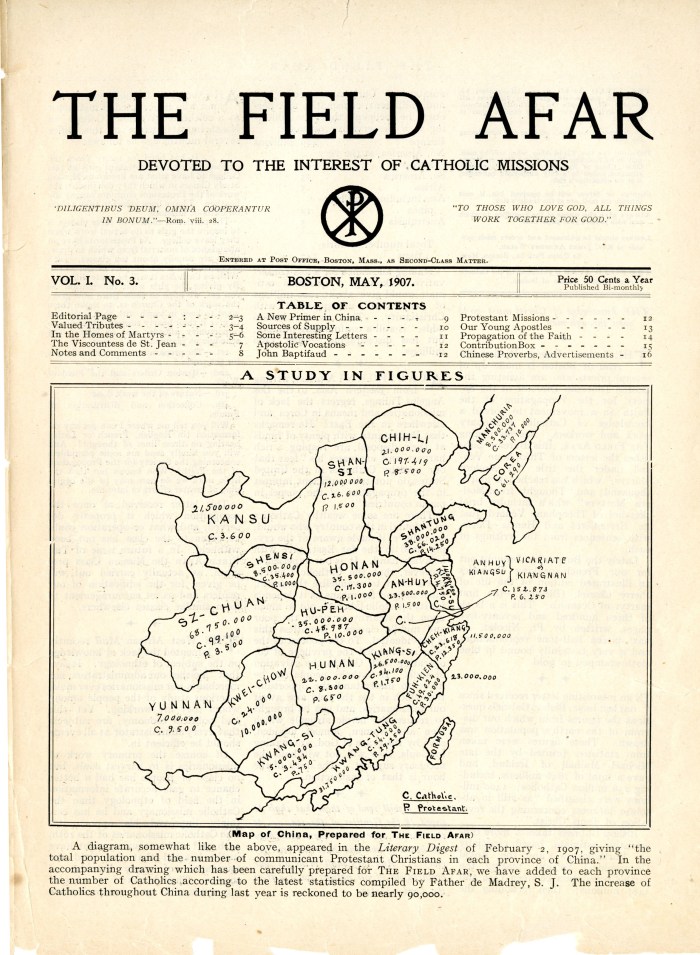
Soon, she was leading a class of Smith students as well as working for Father Walsh as a secretary, helping him publish the first missionary periodical in the United States called The Field Afar:

Courtesy Maryknoll Mission Archives

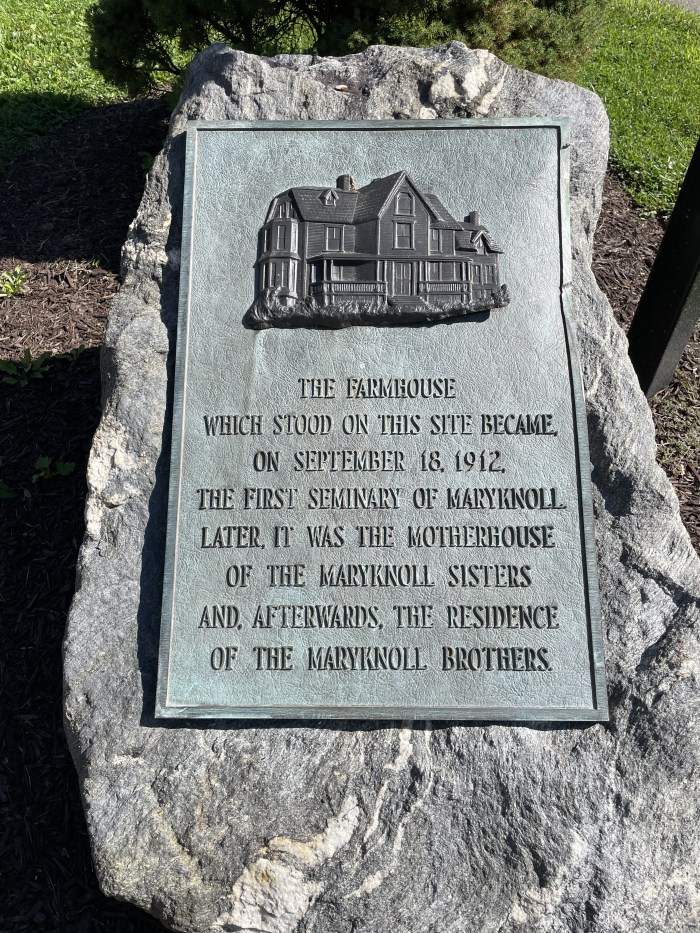
In 1912, Father Walsh would go on to found the first missionary society in the United States, the Catholic Foreign Mission Society of America.  

But he was having problems purchasing land for the campus he envisioned. After a transaction in Pocantico Hills fell through, Father Walsh sensed that there might be anti-Catholic sentiment at the root of his difficulties.  To counteract that, he turned to his secretary, Mollie Rogers.  She put on her best Smith College ensemble with pearls, hat and gloves, and, looking like a wealthy Westchester matron, purchased a 99-acre farm on what was then known as Sunset Hill in Ossining. 

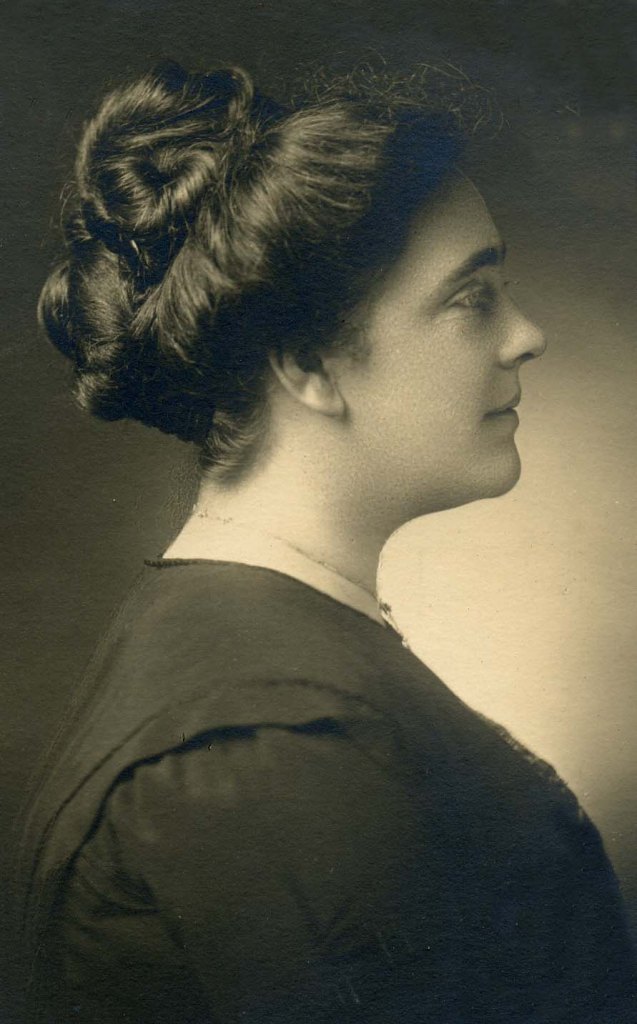
Mollie Rogers, c. 1912
Courtesy Maryknoll Mission Archives

From then on, Mollie Rogers would be looked to as the de facto leader of the group of women who were drawn to help Father Walsh.  

Soon, they determined to form a religious community of their own.  As Mollie charted a course through unmapped waters – theirs was the first group of American religious women whose goal was overseas missionary service – she took on the name Mother Mary Joseph.  

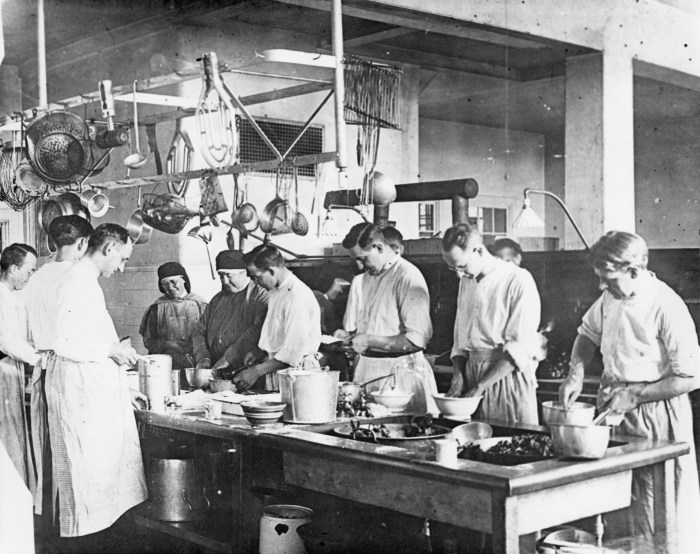
Mother Mary Joseph cooking with the Maryknoll Brothers in 1925
Courtesy Maryknoll Mission Archives

The women affiliated themselves with the religious order of St. Dominic and worked relentlessly to overcome multiple rejections by church leadership in both the US and Rome. 

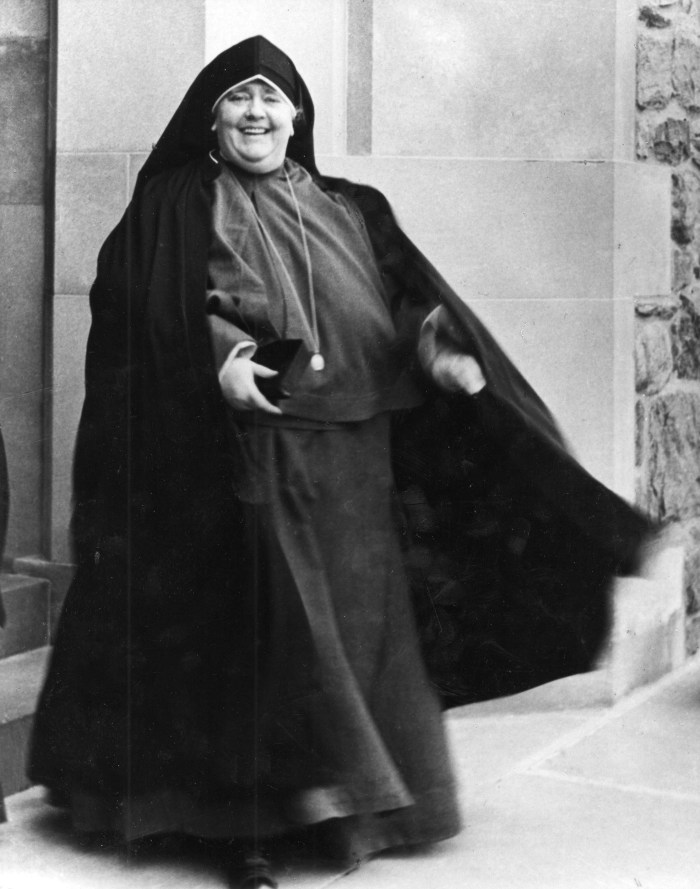
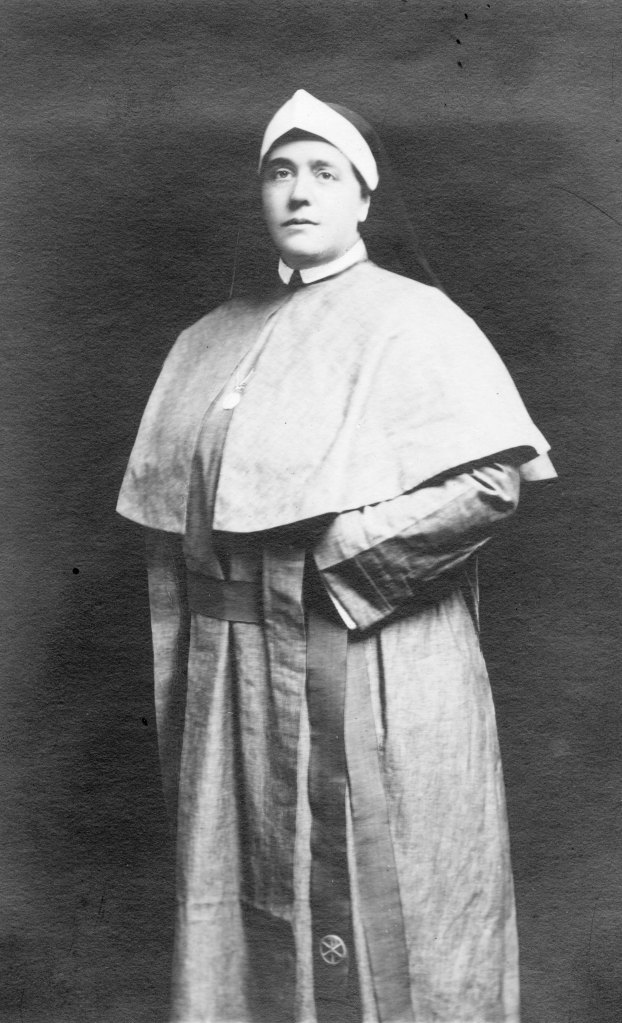
Mother Mary Joseph testing out veil options, c. 1920
Courtesy Maryknoll Mission Archives

It wasn’t until 1920 that they were finally approved to begin their mission work.  Soon, they were serving in faraway places like Manchuria, the Philippines and China, and women from all over the world were joining the community.

Mother Mary Joseph in Loting, China c. 1940
Courtesy Maryknoll Mission Archives

Under Mother Mary Joseph’s guidance, the congregation of Sisters grew rapidly, setting up missions in Asia, Latin America, Africa and the United States.

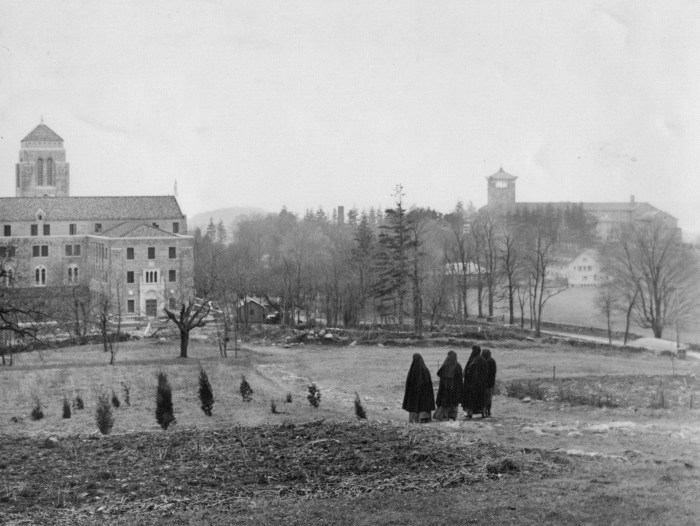
The new Maryknoll Motherhouse, c. 1932
Courtesy Maryknoll Mission Archives

Mother Mary Joseph would live in the Maryknoll Motherhouse until 1952 when she suffered a debilitating stroke that left her partially paralyzed. She would rally, continuing to encourage and inspire, until she passed away on October 9, 1955.

Today, Maryknoll Sisters continue to serve in 18 countries. Sisters have opened schools, clinics, and hospitals, expanding their reach into Latin America, Africa, Thailand, Japan and South Korea. They’ve nursed lepers in Hawaii, AIDs patients in El Salvador, taught English in Jakarta, prayed with Navajo, worked with Sudanese refugees, helped Vietnamese asylum seekers, performed surgery in Guatemala, started health clinics in Tanzania, taught nursing in Korea – Mother Mary Joseph’s mission lives on.

“As one lamp lights another nor grows less, so nobleness enkindles nobleness . . . If we could only be mindful that every act of kindness can beget another act of kindness, and any act of charity can bring forth another act of charity, how little trouble we would have in life.”

PERSONAL NOTE FROM THE CURATOR:

I’ve had the great good fortune to work with some of the Maryknoll Sisters over the years, and they always amaze me with their breadth of knowledge, keen intelligence, and positivity.

In 2020, I spoke with Sister Jean Fallon and asked her what made her want to be a missionary nun.  This is what she told me: 

 “When I was a very little girl, my father took me to see some shacks that had appeared at the end of our very nice street.

‘They’re called Hoovervilles,’ he told me. [Yes, Herbert Hoover was President when she was a little girl!]  

I cried,  ‘But we have to help these people, they can’t live like that.’

My father shook his head – ‘There are too many of them and they need too much.  There’s nothing we can do.’  

Well, I think that was the moment that started me on this path – I was only about four years old, but I’ve never forgotten that moment.  Yes, there ARE too many and they DO need a lot.  But there’s always something we can do.”

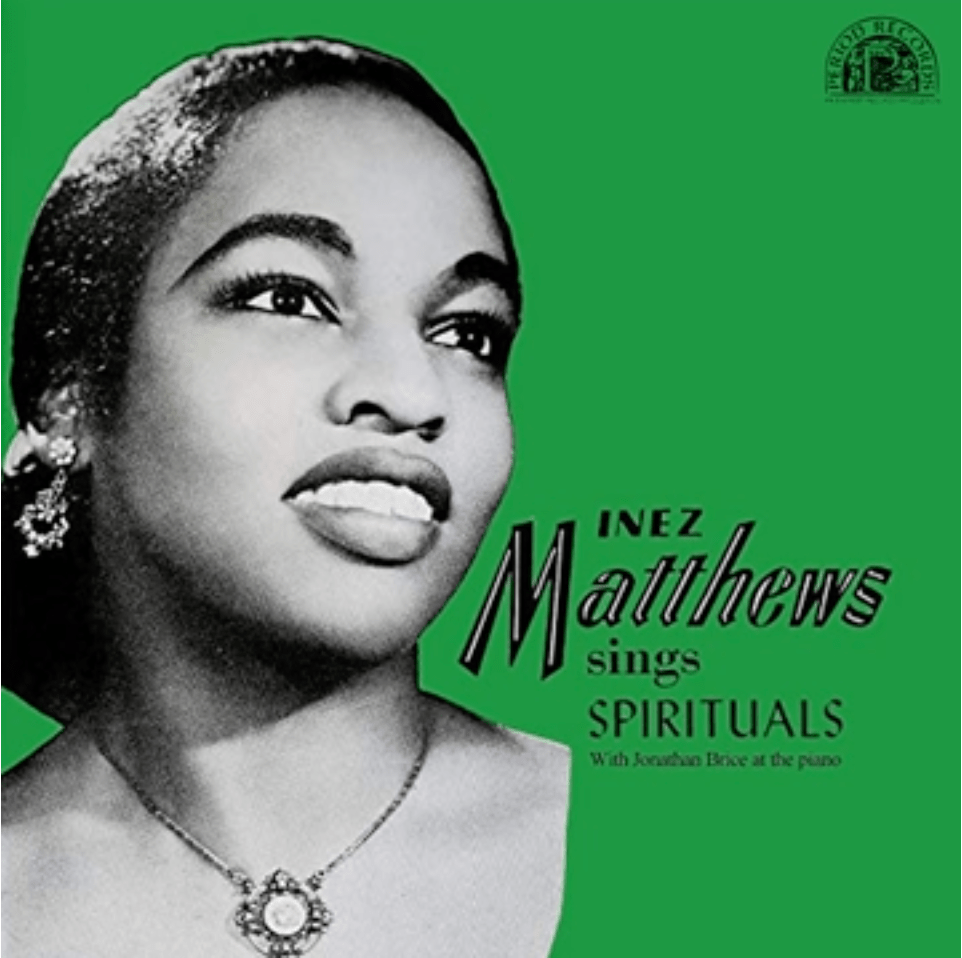
Inez Matthews – Opera Singer

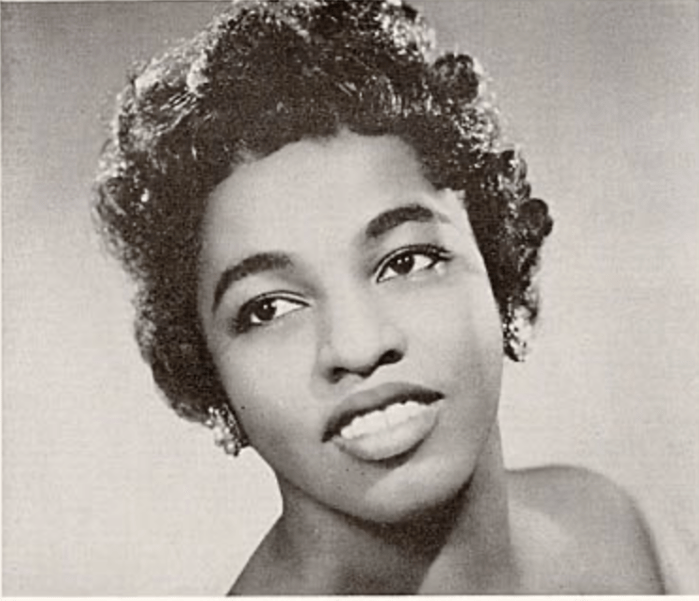
Inez Matthews
c. 1957

Inez Matthews
1917 – 2004
OHS 1935

Opera Singer
Broadway Star
Teacher

***Ossining connection:  12 Ann Street, Ossining***

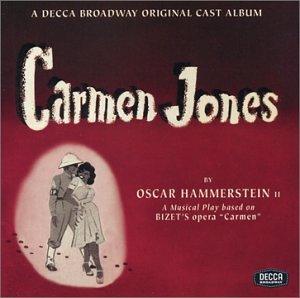
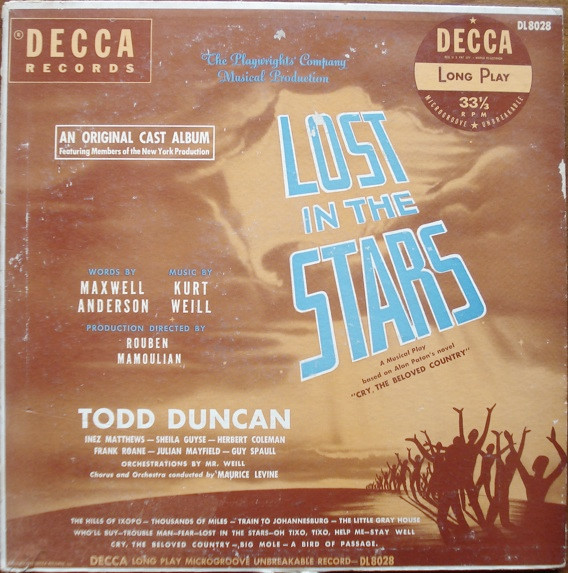
An operatic mezzo-soprano, Inez Matthews is best known for her roles in Broadway’s Carmen Jones and Lost in the Stars by Kurt Weill.  A gifted singer and musical interpreter, a 1954 article described her as follows:

“It is almost impossible to write of Inez Matthews without overworking superlatives. Typed as a mezzo-soprano, she has a splendid, long-ranged voice, so controlled that she can color its dark, lovely timbre with exquisite lyricism, and flute a sparkling coloratura with an always prevailing limpid clarity of tone. The instrument is remarkable. But that is not all.  Her teachers insist that she is an earnest, intelligent student (no detail is too much trouble), and seems unaware of her great personal beauty.

Born into a musical family, Inez’s father was Reverend Edward J. Matthews of the Star of Bethlehem Church.  Her mother Mary sang in the church choir and the Matthews children would have their first public singing experiences at Star. (Inez’s older brother, Edward, was also a well-respected classical singer, creating the role of Jake the Fisherman in George Gershwin’s Porgy and Bess [click here to hear him] and as well as Saint Ignatius in Virgil Thomson and Gertrude Stein’s 1928 opera Four Saints in Three Acts.  He would go on to enjoy a successful operatic and recital career before a car accident claimed his life in 1954.)

Brother Edward would give concerts around Westchester at hospitals and veterans’ homes, and the story goes that Inez (who was ten years younger) would tag along, ending his recitals with her rendition of “Rock-a-Bye Baby” sung to her doll dressed in matching clothes, to enthusiastic applause.

While at Ossining High School, she studied voice with Katherine Moran Douglas, a Briarcliff Manor singing teacher whose operatic career had included singing Wagner’s Parsifal in Bayreuth, Germany, Madama Butterfly with Enrico Caruso under Giaccomo Puccini’s supervision, and appearing in the first Metropolitan Opera production of Manon Lescaut. The connection came through Inez’s brother who began his vocal studies with Douglas after she heard him singing as he mowed her lawn after school one day.
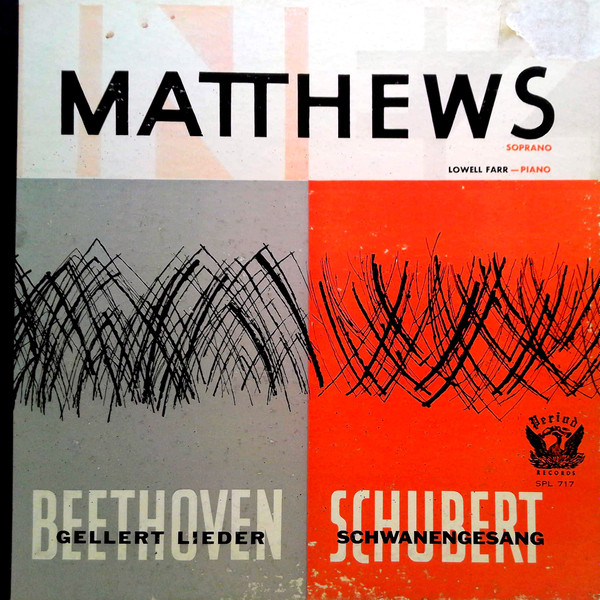
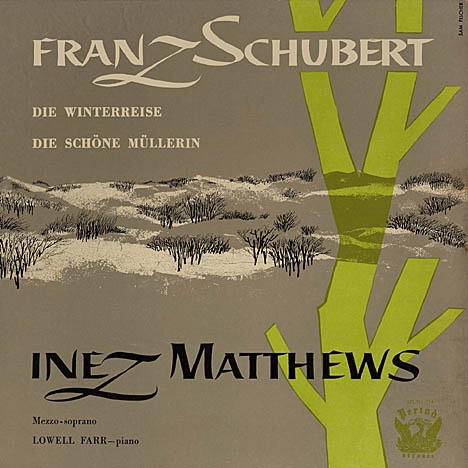
After graduating from Ossining High School in 1935, Inez continued her vocal studies.  In 1942, she auditioned for the famed acting duo Alfred Lunt and Lynn Fontanne and was cast in their Broadway play The Pirate.

The next year, she would perform as a soloist in the Broadway revival of Hall Johnson’s 1933 folk opera Run, Little Chillun.  [Fun Facts:  The production also starred actor Earle Hyman in his Broadway debut, and Leslie Uggams’ aunt Eloise Uggams.]

1943 would see her cast in the Broadway premiere of Carmen Jones, a Broadway opera based on the music of George Bizet’s Carmen, but with an updated storyline.  Initially a member of the chorus, Inez would stay for the entire run, understudying and then taking over the lead role.

But American opera houses were not open to Black singers at the time — remember, it wasn’t until 1955 that New York’s Metropolitan Opera would hire Marian Anderson (to sing the small role of Ulrica in Giuseppe Verdi’s Un Ballo in Maschera.) 

Inez would tour as a soloist with various Black-helmed choirs, such as the De Paur Infantry Singers and the Juanita Hall Chorus.   Making her Town Hall recital debut in New York City in 1947, Inez sang a varied repertoire that ranged from Shubert lieder to operatic arias to spirituals.  The New York Times noted that her “work impressed because of the keen intelligence, the grasp of style and the emotional warmth displayed throughout the various offerings.  Here was an artist with a real understanding of the nature of the music presented and interpretive ability far above the average.”  

1949 would find her on Broadway again, in the role of Irina in the premiere of Kurt Weill’s Broadway opera Lost in the Stars.

Click on this image to hear Inez Matthews sing!

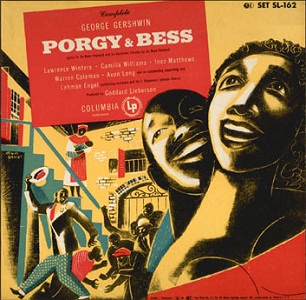
She would marry the Rev. Ulysses Jackson in 1950 and continue to perform, touring internationally in a production of George Gershwin’s Porgy and Bess (with her brother Edward).

Inez would return to Broadway in 1952 for a ground-breaking production of the 1928 opera Four Saints in Three Acts.  (Both Inez and Edward would appear together in this production, as would a young mezzo-soprano named Betty Allen* and diva-to-be Leontyne Price.)

Inez would enjoy a successful recital career for the next decade, recording several albums of Shubert lieder and spirituals to add to her cast albums of Porgy and Bess, Lost in the Stars and Four Saints in Three ActsShe would close out the 1950s dubbing the role of Serena, played onscreen by Ruth Attaway, in the Samuel Goldwyn-produced film of Porgy and Bess.

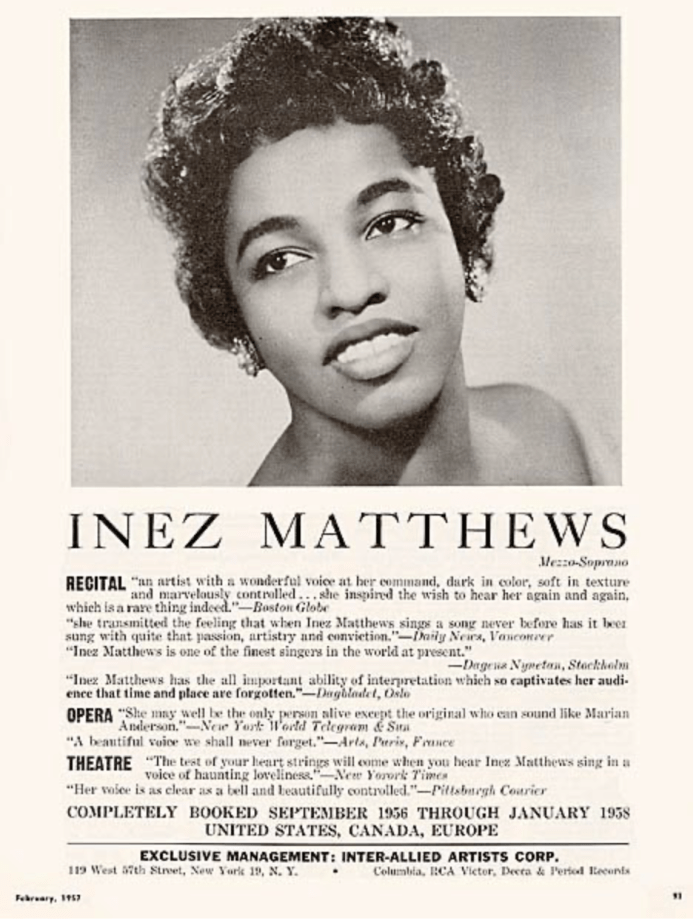
Inez Matthews’ Inter-Allied Artists Management Flyer, 1957 noted that she was
“Completely booked, September 1956 through January 1958”

Click here to hear selections from “Inez Matthews Sings Spirituals.”

Click here to hear Inez Matthews sing “My Man’s Gone Now” from a 1959 recording of Porgy and Bess.

Click here to hear Inez Matthews sing “Stay Well” from the 1949 cast album of Kurt Weill’s Lost in the Stars.

In the 1960s, she would scale back her performing, teaching several generations of students both privately and at Virginia State College.  Her occasional participation in productions – a 1970s Four Saints in Three Acts for example — as well as solo recitals in the New York area were consistently noted and enthusiastically praised by the local press.

She passed away in the Bronx in 2004.

*PERSONAL NOTE FROM THE CURATOR: Back in the 1980s and 1990s, I studied voice with mezzo-soprano Betty Allen who performed with Inez Matthews in several productions of Four Saints in Three Acts. I was quite thrilled to discover this connection as I researched Matthews’ life for this exhibit.

Sources:

Story, Rosalyn M.  And So I Sing. 1990, Warner Books, Amistad. (p. 89)
“Conversation with Inez Matthews” by Kari Paulson, 1997
“Found in the stars” by Mary Craig, Musical Courier, August 1954 

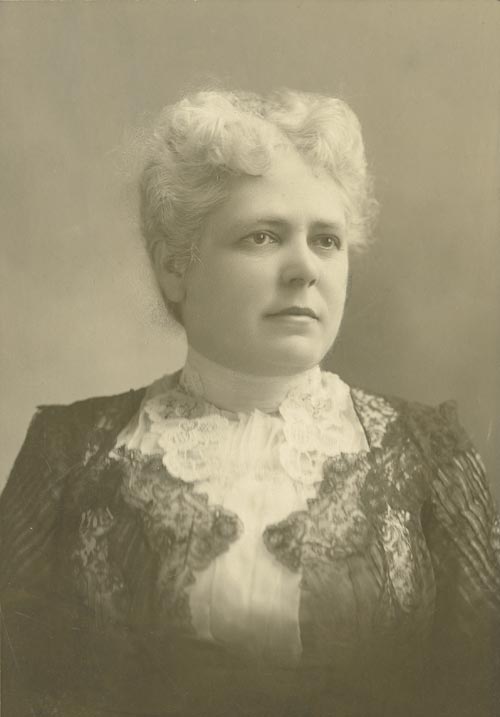
Carrie Chapman Catt – Suffragist Leader

Carrie Chapman Catt, c. 1914
Courtesy of the Library of Congress

Carrie Chapman Catt
1859 – 1947

Suffragist Leader
President, National American Women’s Suffrage Association
President, International Women’s Suffrage Association
Founder, National League of Women Voters
Founder, National Committee on the Cause and Cure of War
****Local Connection:  Juniper Ledge, North State Road
****

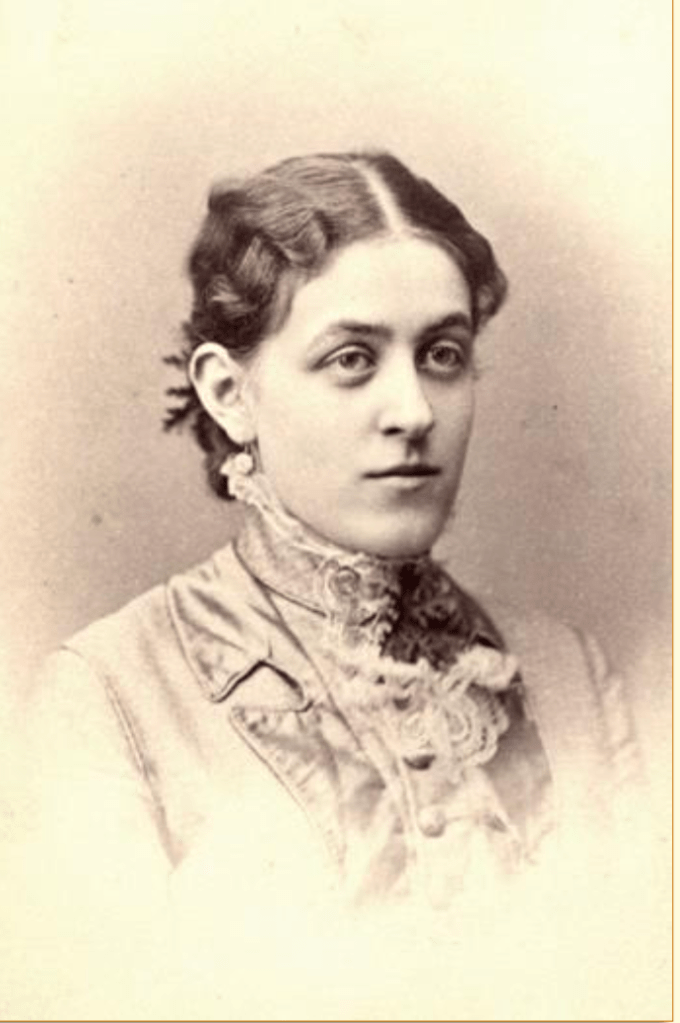
Carrie Chapman Catt (née Lane) was born in Ripon, Wisconsin in 1859. Unusually for that time and place, she went to college (Iowa State Agricultural College) and earned her Bachelor of Science degree in 1880. She became a teacher, a principal, then Superintendent of her Iowa school district. 

Carrie Lane at the time of her 1880 graduation from Iowa State Agricultural College
Courtesy Digital Collection, Iowa State University Park Library

In 1880, she married husband #1, Leo Chapman, editor of the Mason City Republican, who held extremely progressive ideas for the time, but died of typhoid fever within a couple of years. In 1885, she married husband #2, George Catt, a wealthy engineer and fellow Iowa State alum. He apparently was quite supportive of her involvement in the fight for women’s rights.

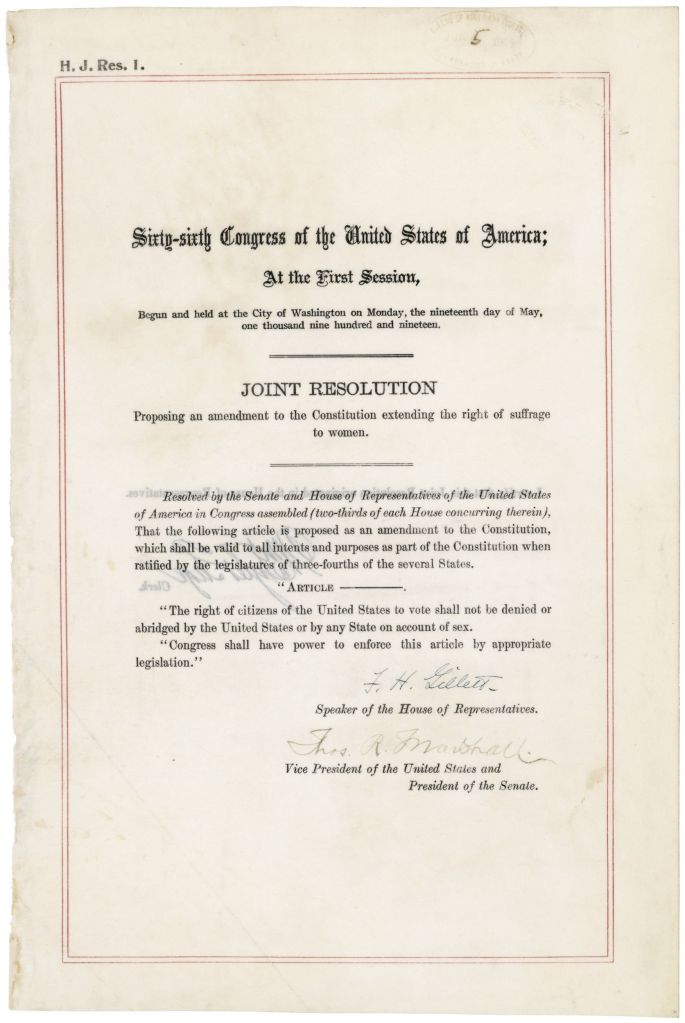
The Constitutional Amendment to give women the right to vote was first proposed in 1878.  Catt became involved with the fight soon after.  By 1890, she was president of the Iowa Women’s Suffrage Association, running it with great skill. From there, Catt came to the attention of Susan B. Anthony, the Grande Dame of suffragists, who, in 1900, anointed Catt as her successor as President of the National American Women’s Suffrage Association (NAWSA).  Catt was its President when the Nineteenth Amendment was passed in 1920, recognizing women’s right to vote.  

May 19, 1919 – Joint Resolution proposed by Congress to amend the US Constitution and giving women the right to vote.
3/4ths of the States needed to vote to ratify this amendment and they did, allowing this to become the law of the land on August 26, 1920
Courtesy National Archives

Arguably, it was Catt’s stewardship and steady hand that helped unite all the different factions and finally win the vote for women. 

Catt would purchase Juniper Ledge, her home in Ossining, in 1919 and live there until 1928 with her companion Mary Garrett Hay:

Mary Garrett Hay (1857 – 1928)
She and Carrie Chapman Catt lived together from c. 1900 under Hay’s death
Courtesy of the University of Rochester

 The story goes that the estate was called Juniper Ledge because of its abundance of juniper trees.

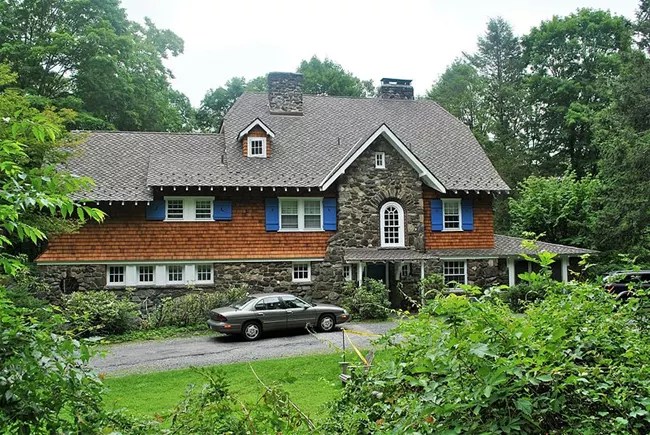
Juniper Ledge, Ryder Road, Briarcliff Manor, c.2014
Today this structure is on the US National Register of Historic Places
Image originally published in Queer Places: Retracing the Steps of LGBTQ People Around the World by Elisa Rolle

In a 1921 New York Times article detailing a picnic she hosted for 100 members of the League of Women voters, Catt is quoted as saying “I know that the juniper is useful in making liquor, and that is why I bought the place – so no one would have opportunity to use the trees for that purpose.”  She served her guests coffee and orangeade.

According to another New York Times article, this one from 1927, Juniper Ledge was quite impressive: “The estate is one of the show places of Northern Westchester, and includes sixteen acres of extensively developed land fronting on two roads. The residence, on a knoll overlooking the countryside, is a modern house of English architecture containing fourteen rooms and three baths. A gardener’s cottage, stables, a garage and a greenhouse are also on the property.”  Catt affixed brass plaques with the names of famous suffragettes to fourteen trees – and some of those plaques are reportedly in the archives at Harvard University.
From her Juniper Ledge home, she started the League of Women Voters in order to give women information to help them make informed voting decisions. She also was a big supporter of Prohibition, the League of Nations and its successor the United Nations, spending much of her time on crusades for world peace and international disarmament.

Catt sold Juniper Ledge in 1927 and purchased a home at 120 Paine Avenue in New Rochelle. Sadly, her companion Mary Garrett Hay died shortly after they moved.

Catt lived on, staying active right up until her death in 1947. She and Hay are buried in Woodlawn Cemetery in the Bronx. The inscription on their joint tombstone reads, “Here lie two, united in friendship for thirty-eight years through constant service to a great cause.” (Here’s Catt’s obituary if you want to learn more about her life.  It makes me tired just to read about all the things she accomplished.)

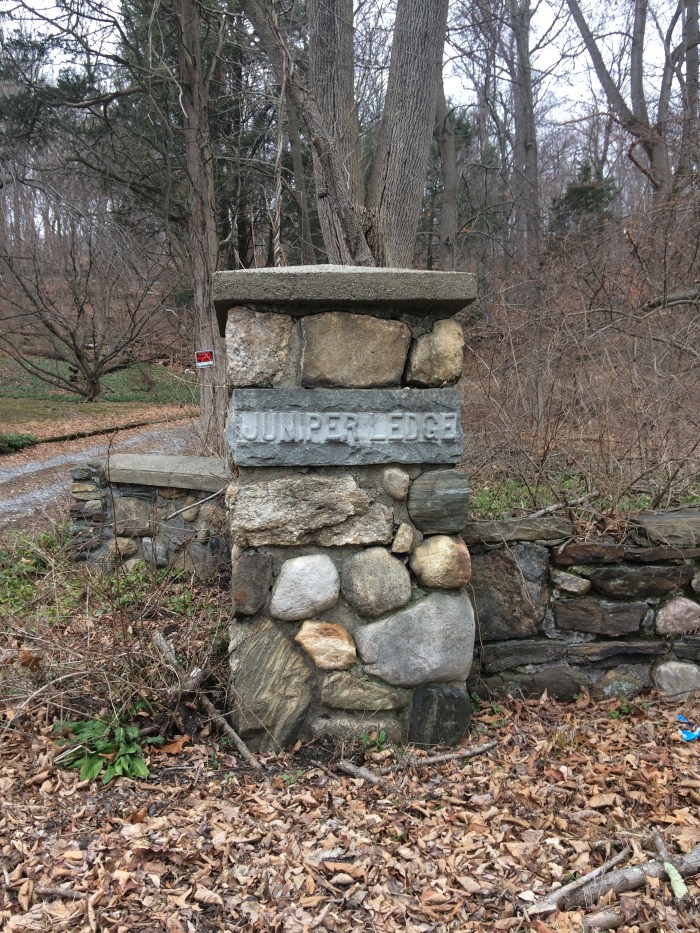
So, the next time you drive on North State Road, keep an eye out for this old driveway pillar and know that a very influential and historically important woman lived just up the hill.

CONTROVERSY

We would be remiss if we didn’t address the controversy that has swirled around the US women’s suffrage movement almost since its inception.

Some have perceived that it was a racist one, with white women keeping Black women on the fringes of the movement ostensibly to avoid antagonizing the Southern vote.

Carrie Chapman Catt would address these concerns in a speech she delivered in 1893: “If any say we would put down one class to rise ourselves, they do not know us. The woman suffrage movement is not one for woman alone. It is for equality of rights and privileges, and it knows no difference between black and white.”

However, by 1903, Catt and many of her colleagues would state that the national women’s suffrage movement was solely concentrating on removing the “sex restriction” for voting.  They seemed perfectly content to let the individual States to determine what, if any, qualifications were deemed necessary to allow women to vote.

And in 1919, Catt would continue to respond to such concerns, such as those from the NAACP who feared that Black women would not be allowed to vote in southern states if the proposed suffrage amendment did not include specific language to include all races, by repeating “We stand for the removal of the sex restriction, nothing more, nothing less.”[1]

This controversy re-emerged forcefully in 1995, right before Iowa State University (formerly Iowa State Agricultural College) was set to name a campus building in Catt’s honor.

In an article, published in the Uhuru! newsletter of the ISU Black Student Alliance entitled “The Catt’s Out of the Bag: Was She Racist?” sophomore Meron Wondwosen argued that Catt and other white suffragists employed racist strategies to gain Southern support for the ratification of the 19th Amendment. Wondwosen referenced examples of Catt giving lectures in Southern states and stressing that women’s suffrage would reinforce white supremacy, discouraging Black suffragists from participating in marches and rallies, and belittling immigrants and Black people.

After several years of research, reflection and discussion, Iowa State decided not to take her name off the building, saying:

“The crux of the matter is that while Catt made statements that are likely to be considered racist, there is also an abundance of declarations upholding and even defending other races. This duality and implicit contradiction is what makes the work of this committee very difficult—and it is what makes Catt such an ambiguous figure when it comes to questions of racism. It adds layers to Catt, her work, how she viewed the world, and how the world viewed her. These may begin to shed light on how compromises were made to achieve an ultimate goal.[2]

Several of the arguments for removing Catt’s name from Catt Hall were based on Barbara Andolsen’s 1985 book Daughters of Jefferson, Daughters of Bootblacks. Andolsen, a feminist theologian, documented some of the frankly bigoted tactics white suffragists used to win passage of the 19th Amendment. Despite this, however, Andolsen believed most suffragist leaders were “women of integrity” committed to gaining the vote for all women. She argued that these leaders didn’t condone segregation or manipulate racist ideologies out of bad intentions, but out of political necessity in a racist society.

In the 2020 PBS program Carrie Chapman Catt, Warrior for Women, historian Beth Behn explored why Catt, generally a progressive thinker and leader, used racism in the suffrage movement. Behn suggested that Catt felt a sense of urgency, fearing that the opportunity to secure a Federal amendment could close. Behn noted that other developed countries, like Great Britain and France, didn’t grant women suffrage until years later, reinforcing the suffragists’ urgency.

A life-long pacifist, Catt endorsed America’s entry into World War I in 1917 in order to gain President Woodrow Wilson’s support for women’s suffrage. She would spend the rest of her life working for peace and disarmament.

Food for thought . . .


[1] Carrie Chapman Catt, letter to John Shillady, Executive Secretary of the NAACP, May 6, 1919. 
[2] 2023 Catt Hall Review Final Report 2023, p. 27; https://iastate.app.box.com/s/rw7igjtl5iet6vb6s3xdu3yfkhqin9ck

Emma Goldman – Anarchist on Allapartus!

Emma Goldman – Anarchist on Allapartus!
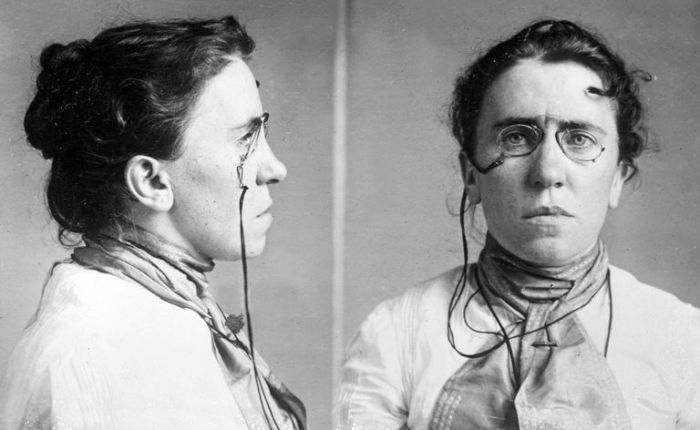
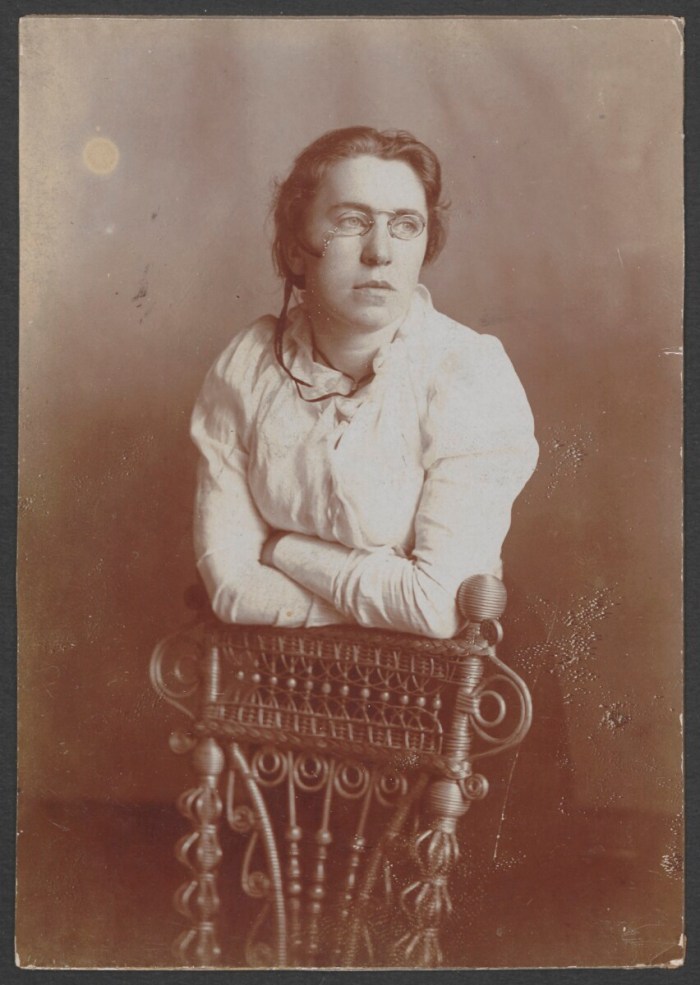
Emma Goldman, c. 1890s
Courtesy of Duke University Library

Emma Goldman
1869 – 1940

Feminist
Anarchist
Author
Nurse
Magazine Editor & Publisher, 
Birth Control Advocate
Anti-War Activist
***Local Connection: Allapartus Road***

Did you know that Emma Goldman, famous anarchist, had a country home on Allapartus Road in the early 20th century?

Do you even know who Emma Goldman was? Or what anarchy is? Don’t worry, most people I’ve tried to impress with this piece of Ossining history don’t know either.

Now, today, instead of being described as “The High Priestess of Anarchy,” Emma Goldman is more often thought of as a progressive feminist, an author, a magazine publisher, and an inspirational speaker. Her passionate advocacy for birth control, marriage reform, sexual freedom, worker’s rights, and vehement anti-war activism was extremely progressive for the time. 

And in the 19th/early 20th centuries, Emma Goldman made headlines as “Red Emma” and “A Dangerous Woman.”

Believing that “Fighting injustice and exploitation is all that matters,” she tirelessly spoke out on behalf of the marginalized, the exploited and the oppressed. 

Now, I have to delve into this anarchy thing before I go any further, because it’s essential to understanding what Emma Goldman was about.

Basically, anarchy (in the way that Goldman defined it) describes a society without any centralized authority.  So, no rulers, government, laws — frankly, it’s a movement that I never found that interesting because it seems so irrational, so angry, and so violent.  And perhaps it is on the surface, and violent acts have certainly been perpetrated in its name.

In 1893, when Goldman was imprisoned for “inciting to riot”, she gave a jailhouse interview to Nellie Bly, a reporter for The New York World, and explained why she was an anarchist and what she hoped to accomplish:

 I am an Anarchist because I am an egotist. It pains me to see others suffer. I cannot bear it. Everything wrong, crime and sickness and all that, is the result of the system under which we live. Were there no money, and as a result, no capitalists, people would not be over-worked, starved and ill-housed, all of which makes them old before their time, diseases them and makes them criminals. To save a dollar the capitalists build their railroads poorly, and along comes a train, and loads of people are killed. What are their lives to him if by their sacrifice he has saved money?

In further researching this topic, I came upon this definition by the writer Rebecca Solnit: “Anarchists are idealists, believing human beings do not need authorities or the threat of violence to govern them, but are instead capable of governing themselves by cooperation, negotiation, and mutual aid.”[1] 

Between Goldman and Solnit’s explanations, on paper anarchism certainly seems like a utopian ideal but really – has there ever been such an idyllic civilization? Could it ever really exist? Did Emma Goldman meet any human beings?   (Ooops, my cynicism is showing.)

But she truly believed this world was possible and pursued these ideals her entire life. And for all her fight and spirit and refusal to accept the status quo, Emma Goldman was a radical optimist, a passionate believer in the essential good of the human beings, if only the jackboot of authority could be lifted from their necks.  

Born in 1869 in Popelon, Lithuania, Goldman emigrated to Rochester, New York in 1885.  The first job she would find was working in a sweatshop sewing men’s overcoats at a wage of $2.50 per week. (She marked this as the beginning of her advocacy for worker’s rights.) 

According to her 1931 memoir Living My LifeGoldman was radicalized after the 1886 Haymarket Affair bombing. 

Soon after this, Goldman would meet and fall in love with Alexander Berkman, an equally fiery anarchist and activist.   In 1892, in response to the strikes in Andrew Carnegie’s steel mills in Homestead, Pennsylvania where Pinkerton guards were brought in to quell the conflict with billy clubs and bullets, Berkman decided to follow the anarchist’s playbook, deploy “targeted violence,” and murder Carnegie’s right hand man Henry Clay Frick.  (The idea was that this murder would inflame the masses, causing revolution to take place, thus toppling capitalism.) 

Frick survived, and Berkman served 14 years in prison for attempted murder. Goldman was initially implicated, but there was no evidence with which to charge her. However, this incident would mark her as a violent, dangerous person, one the authorities would trail and watch closely.

Knowing this, she still toured the country giving speeches, encouraging workers to “Demonstrate before the palaces of the rich; demand work. If they do not give you work, demand bread. If they deny you both, take bread.” It was after one such lecture that she was arrested and convicted for “inciting to riot.” She spent a year imprisoned on Blackwell’s (now Roosevelt) Island, New York working as an amateur nurse in the prison hospital and giving occasional interviews to sympathetic reporters.

After serving her term, she traveled to Europe for formal nursing and midwife training and would fall back on these skills throughout her life to support herself.

Ossining Connection

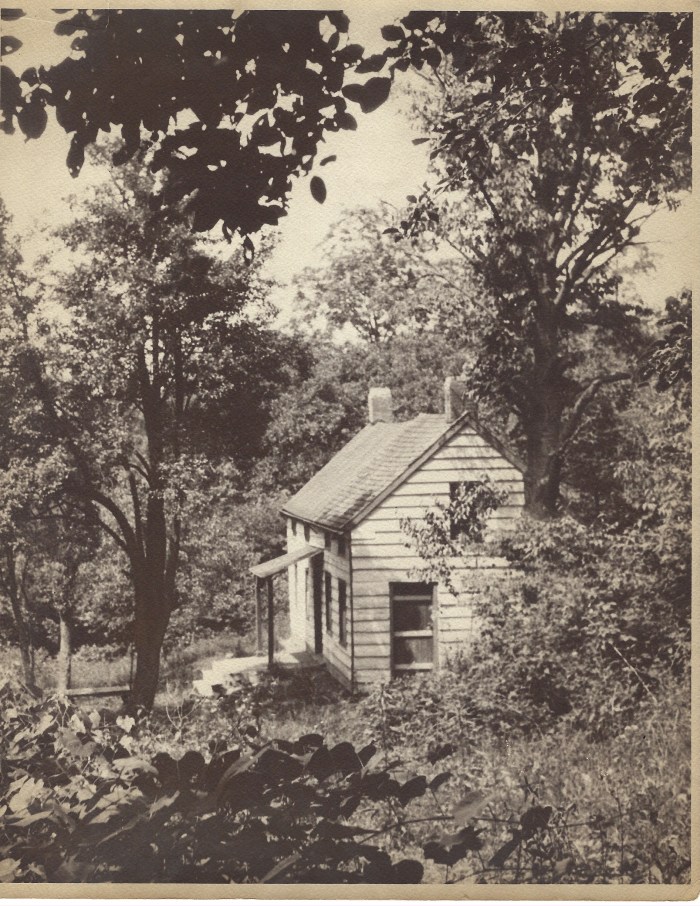
In 1905, a wealthy friend, Bolton Hall, purchased a small farm at the top of Allapartus Road (technically in New Castle, just outside the Ossining border) and gave it to Goldman.  

Farmhouse on Allapartus Road, c. 1910 (now demolished)
Courtesy of Gareth Hougham

She would come to this little farmhouse to decompress, to cook, to garden and to write. As she described it “The house was old and shaky, and there was no water on the premises. But its rugged beauty and seclusion, and the gorgeous view from the hill, made up for what was lacking in comfort.”

Alexander Berkman would join her there after his release from prison.  Though they would discover that their romantic relationship was irretrievably broken by their time apart, they would remain professional colleagues for many years.

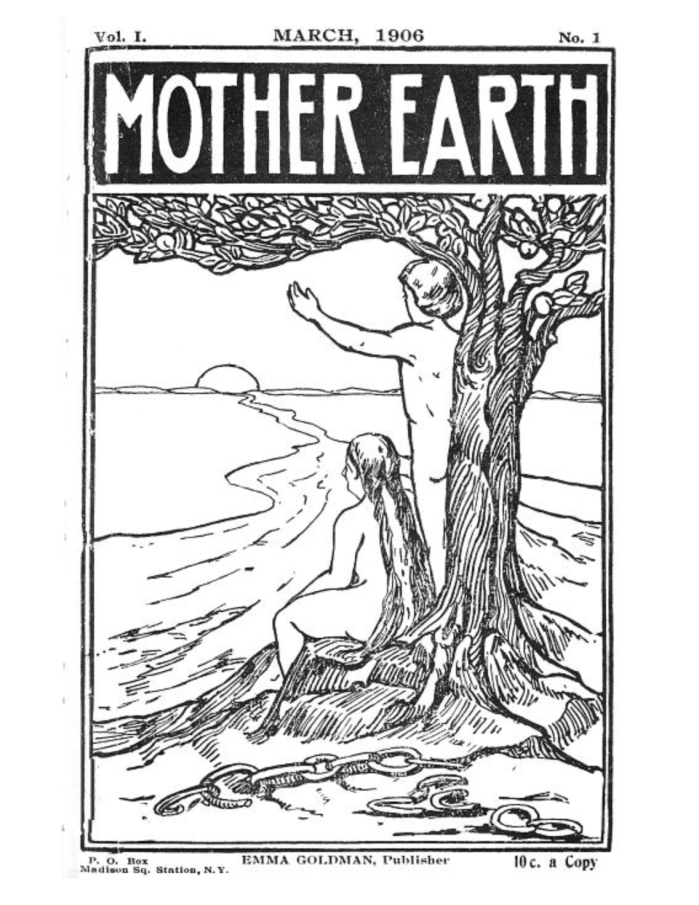
It’s around this time that Goldman found her radical periodical Mother Earth.  She would serve at various times as its publisher, head writer, and editor.  She attracted many of the progressive/radical writers and artists of the time, such as Floyd Dell, Louise Bryant (Diane Keaton played her in the movie Reds), Man Ray, and Margaret Sanger.  

Courtesy Gutenberg.org

(Fun Fact: Croton resident Max Eastman would found his socialist magazine The Masses in 1911 and employ some of the same writers and artists.  And both magazines would be shuttered in 1917 by the US Government for violating the Espionage Act for their radical anti-war/anti-conscription stances.)

In addition to putting out her monthly periodical, Goldman spent the 1910s on lecture tours speaking on topics ranging from anarchism, birth control, homosexuality to pacifism:

1915 Lecture Handbill from Portland, Oregon
Courtesy of JWA.org

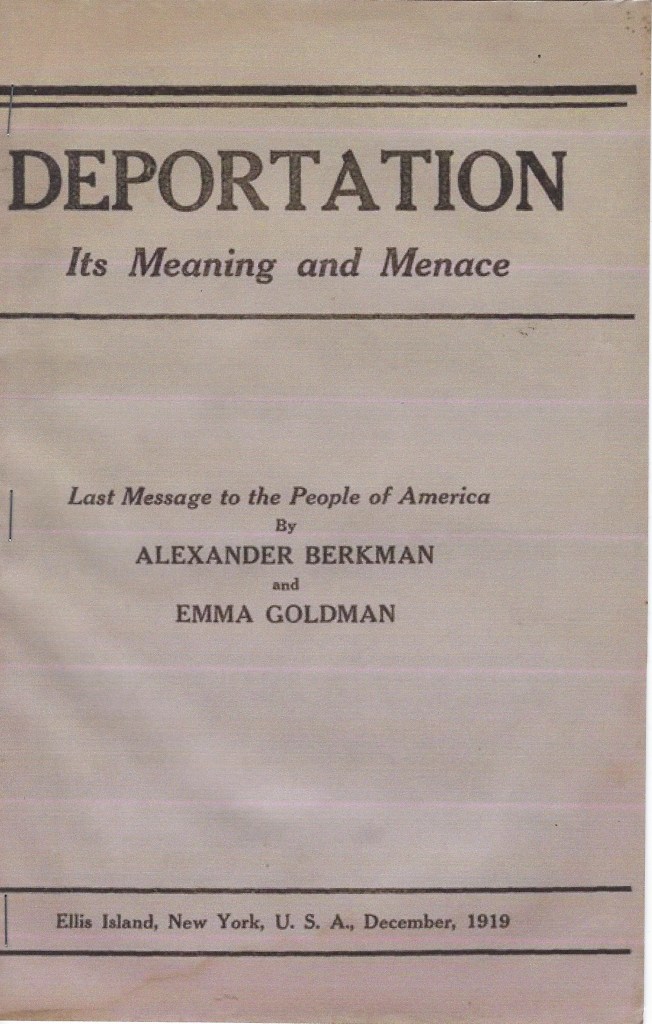
She would get arrested several more times for violating both the Comstock and Espionage acts – and this last one would cause her deportation to Russia in 1919, along with Alexander Berkman and around 200 others the US Government branded as communists/anarchists. She and Berkman would write the following pamphlet on Ellis Island as they awaited their boat to Russia:

Find the complete text here

Goldman died in Toronto in 1940 at the age of 70, after a series of strokes. However, even death could not silence her: Her body would be transported to Forest Park, Illinois to be buried near those who were executed for the Haymarket bombing. 

Her final words, chiseled on her gravestone are: “Liberty will not descend to a people. A people must raise themselves to liberty.”


[1] Solnit, Rebecca A Paradise Built in Hell, 2010