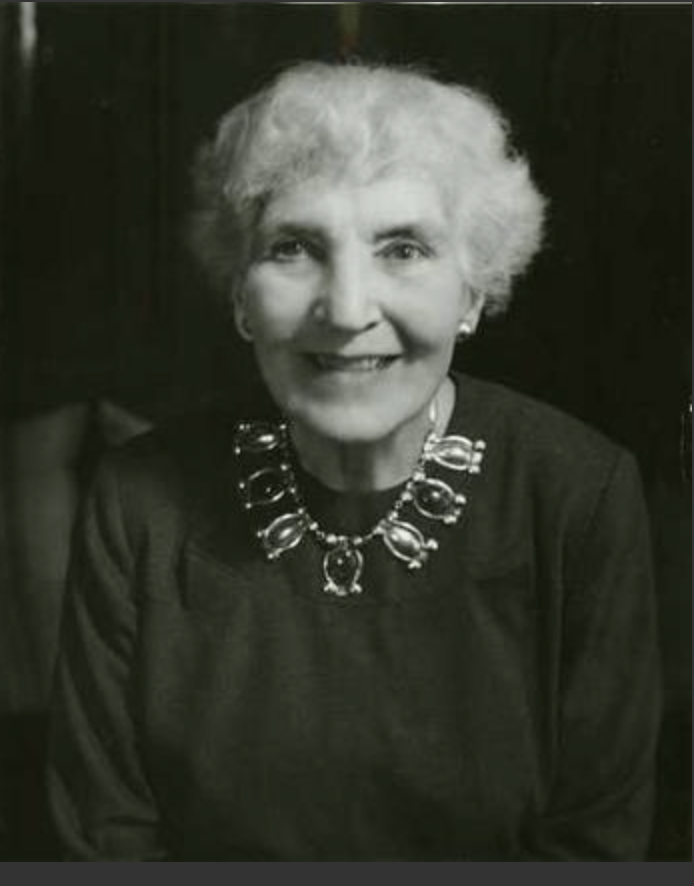
Dr. Ruth Murray Underhill – Anthropologist

Dr. Ruth Murray Underhill
Courtesy Denver Museum Nature and Science Center

Dr. Ruth Murray Underhill
1883 – 1984

Red Cross Volunteer WWI
Anthropologist
Author
Professor
Television/Radio Host

***Local Connection:  Linden Avenue***

Ruth Murray Underhill was an anthropologist known for her work with Native Americans of the Southwest.  She was also a social worker, a writer, a Supervisor at the Bureau of Indian Affairs, a professor, and a local television/radio host.  Multi-lingual, Underhill spoke several Western languages, including O’odham and Navajo.
 
Underhill was born in Ossining in 1883. She grew up on Linden Avenue in the rambling Victorian home built by her father in about 1878. (The building still stands today.)
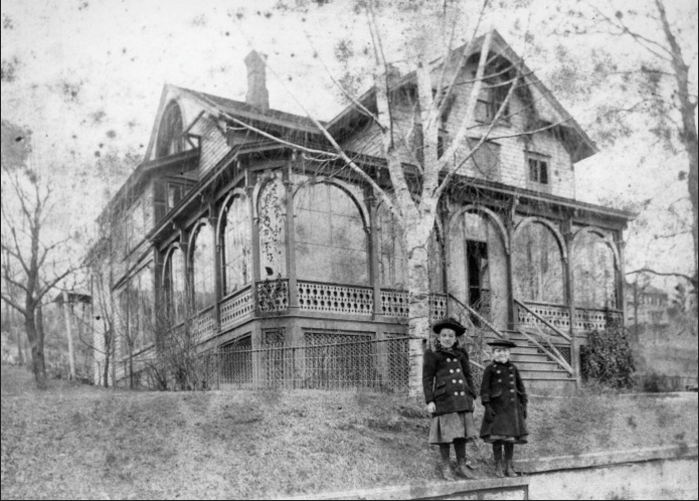
Ruth Murray Underhill and sister Margaret 
in front of the family home on Linden Avenue
c. 1890
 Courtesy of the Denver Museum of Nature & Science

The daughter of Abram S. Underhill and Anna Murray Underhill, her pedigree stretches back to one of the earliest European settlers of this country – Captain John Underhill, who arrived in 1632.  And, according to a 1934 article in the Democratic Register, going even further back, the Underhills were related to a William Underhill of Stratford-upon-Avon who reportedly sold William Shakespeare his home.  
(It is impossible to ignore the irony that this woman, who spent much of her adult life studying and recording the language and culture of Native Americans, was directly related to Captain John Underhill, a man infamous for his brutal tactics against the Native Americans in the 1600s.  He led several bloody massacres and murdered hundreds (if not thousands) of Lenape during the Dutch era in New York State.) 
 
Ruth Underhill attended the Ossining School for Girls (located just across the street from today’s Ossining Public Library):

She would go on to study at Vassar College, graduating in 1905. 
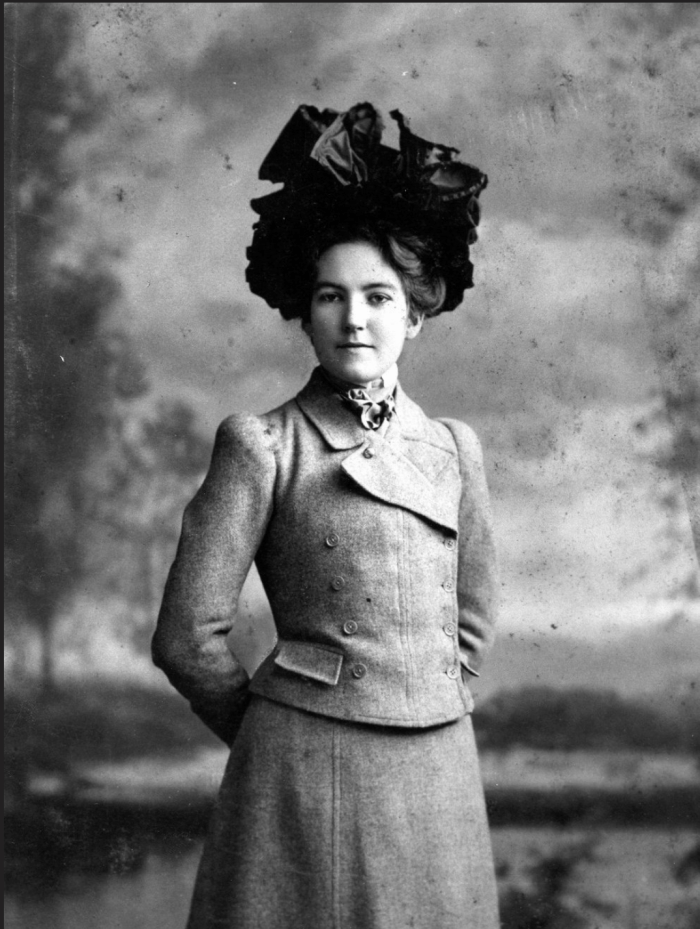
Ruth Murray Underhill, c. 1900
Courtesy of the Denver Museum of Nature & Science

But, as she wrote in her memoir An Anthropologist’s Arrival
 
“I did not start with a career and a goal in mind, not even the goal of marriage – for nice girls did not know whether they would be asked or not. I pushed out blindly like a mole burrowing from instinct.  My burrowings took me to strange places and now in my last hole I am trying to remember how I bumbled and tumbled from one spot to another. This is the story for those friends who wondered how I could even have started the bumbling, for many girls of my era did not.”
 
She spent the next decade searching for her calling – briefly serving as a social worker first in Massachusetts, then in New York City, then traveling around Europe with her family. When World War I broke out, she volunteered for the Red Cross, organizing orphanages for the children of Italian soldiers killed in battle.
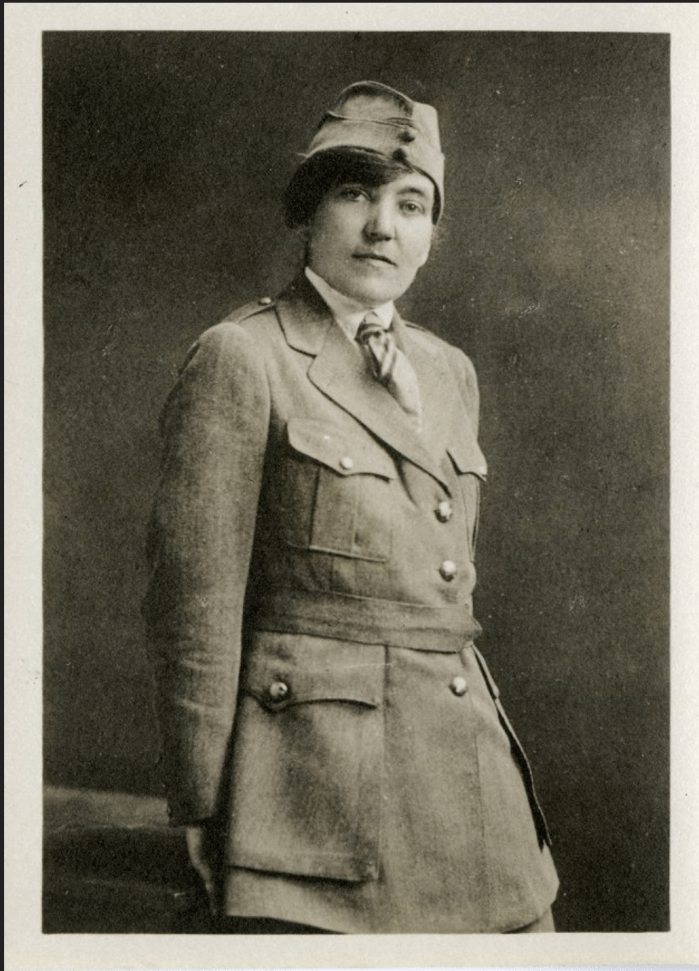
Ruth Murray Underhill in Red Cross Uniform, c. 1917
Courtesy of the Denver Museum of Nature & Science

In 1919 she married Charles Crawford, but she described it as a loveless marriage on both sides that would end in divorce a decade later. 
 
At age 46, Underhill went back to school, enrolling in a graduate program at Columbia University.  
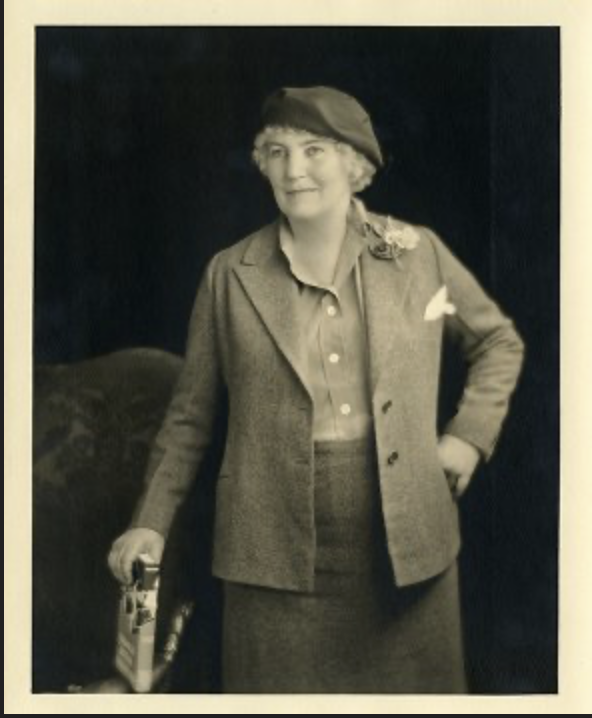
Ruth Murray Underhill c. 1930s

In her memoirs, Underhill tells the story about how she ended up studying anthropology: 

“I am no longer quite sure which departments I visited before anthropology. I think they were sociology, philosophy, and economics. What I said to them in substance was: ‘I find that social work is not doing what I thought it did. I wonder if what you teach would really help me to understand these people. I want to understand the human race. How did it get into the state it is in?’

Upon asking this question of Dr. Ruth Benedict, a well-respected professor in the anthropology department, she found her answer: “You want to know about the human race? . . . Well, come here. That is what we teach.”
 
At the time, the chairman of Columbia’s anthropology department was Dr. Franz Boas, considered by many to be the “father of modern anthropology.” He seems to have been unusually encouraging towards female students – Margaret Mead and Zora Neale Hurston, among others, who studied with him. Both Boas and Benedict would encourage Underhill to pursue a PhD. [Fun Fact: Dr. Boas is buried in Ossining’s Dale Cemetery.]

In 1936, Boas financed field work for Underhill to go to Arizona to study the Papago (today known as the Tohono O’odham.) Out of this work came Underhill’s doctoral thesis “Social Organization of the Papago Indians” and the first published autobiography of a Native American woman, Autobiography of a Papago Woman. Living with and studying the Papago in southern Arizona for several years, she became close to Maria Chona, an elder and leader of her tribe.   
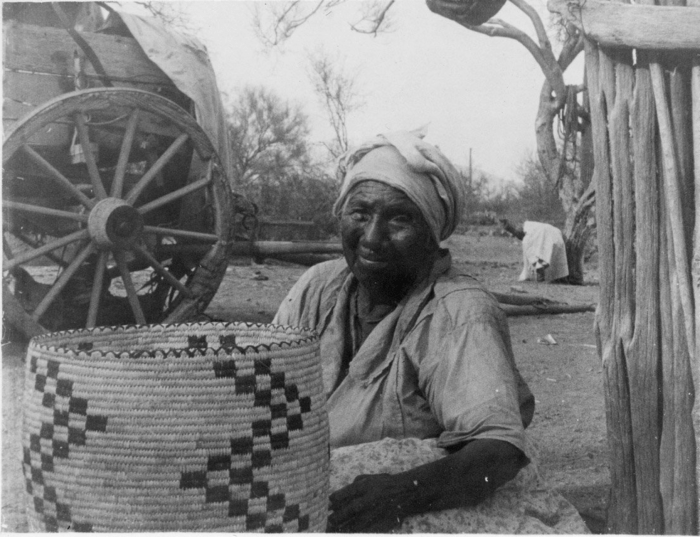
Maria Chona, Elder of the Papago (Tohono O’odham) c. 1936
Courtesy of the Denver Museum of Nature & Science
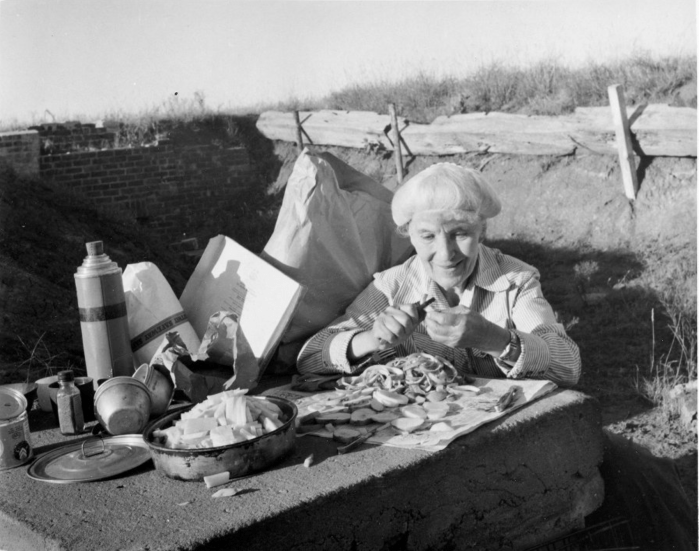
Dr. Underhill peeling potatoes at her campsite in Arizona, c. 1936
Courtesy of the Denver Museum of Nature & Science

In her book, Underhill documented the rites, ceremonies and history of Chona and her tribe.  Underhill even wrote about the rituals surrounding menstruation, which must have been deeply shocking for her readership at that time.

Underhill received her doctorate in 1937 and began studying Navajo culture.
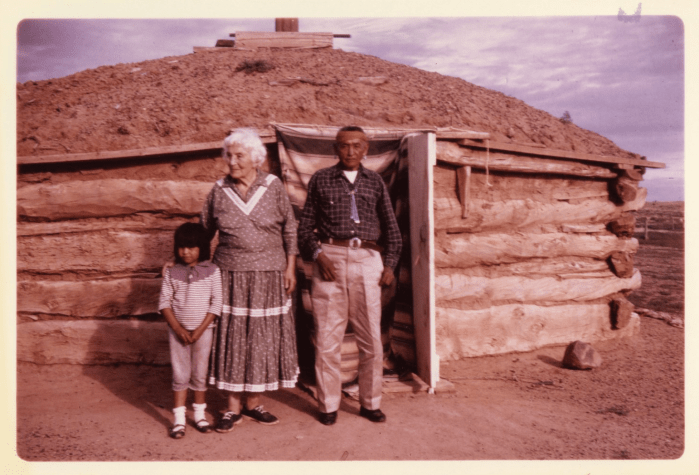
Dr. Underhill with members of the Navajo nation, c. 1940s
 Courtesy of the Denver Museum of Nature & Science

From there, she went on to work for the Bureau of Indian Affairs, becoming Supervisor of Indian Education and helping develop curricula for Native American reservation schools. 

In 1948 Underhill became a Professor of Anthropology at the University of Denver, but “found the students languid.”  
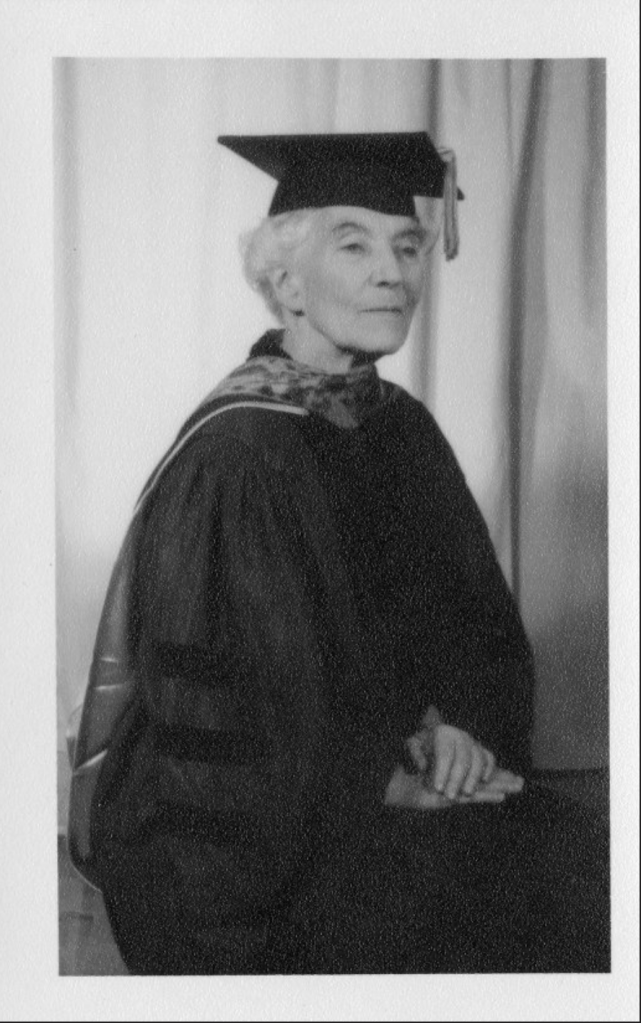
Dr. Underhill in cap & gown for a University of Denver Commencement, c. 1950
Courtesy of the Denver Museum of Nature & Science

She would retire from the University just five years later and travel the world solo.
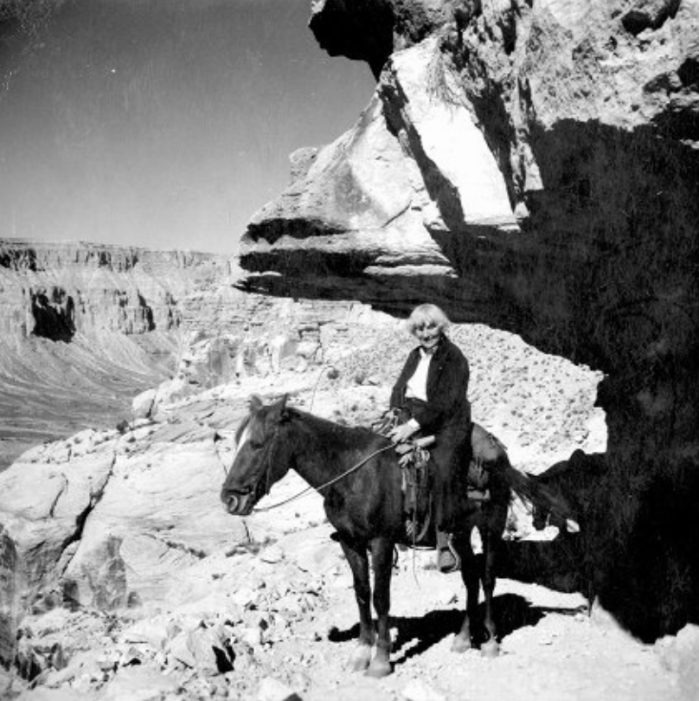
Dr. Underhill at the Rainbow Bridge in Arizona, c. 1950
Courtesy of the Denver Museum of Nature & Science

Upon returning home, she would write what is considered her seminal work, Red Man’s America – a textbook on Native American cultures and histories.  
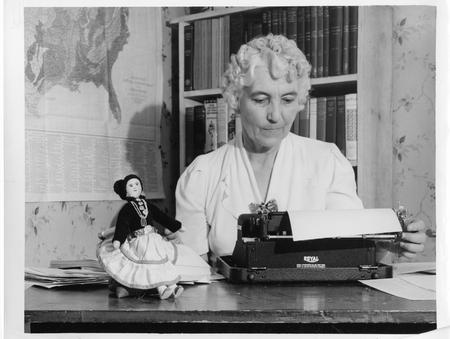
Dr. Underhill c. 1950s
 Courtesy of the Denver Museum of Nature & Science

On the strength of that, she was asked to host a public television program of the same name that ran from 1957 – 1962.
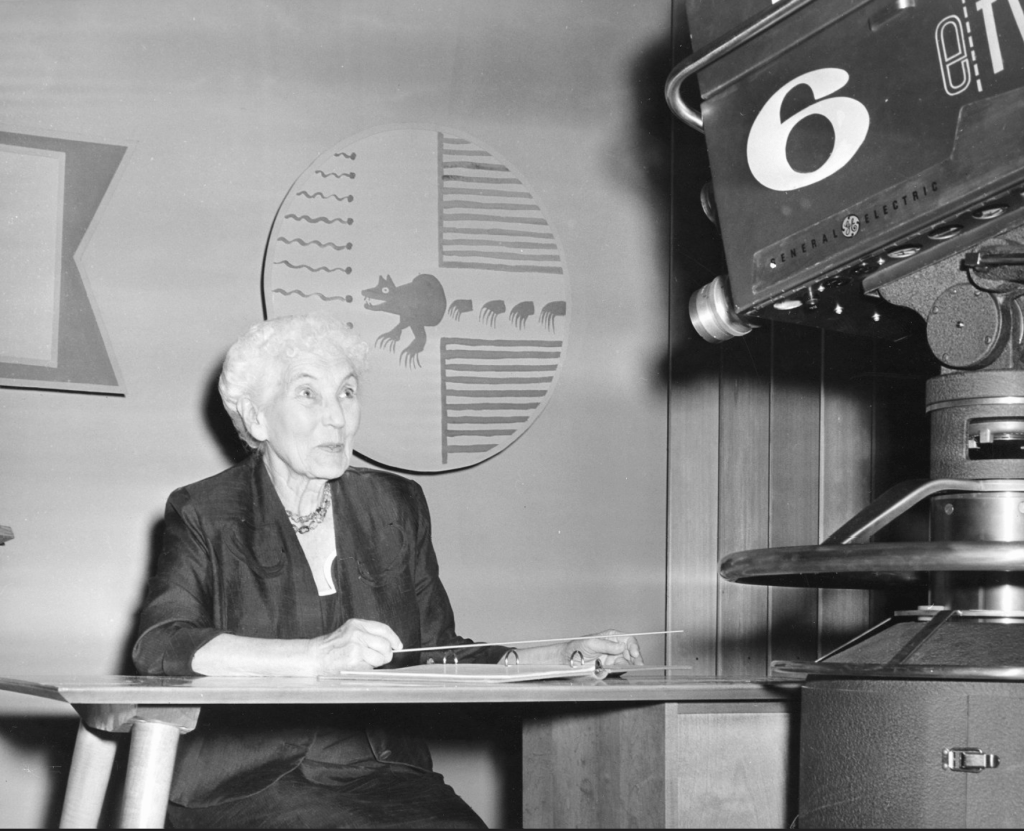
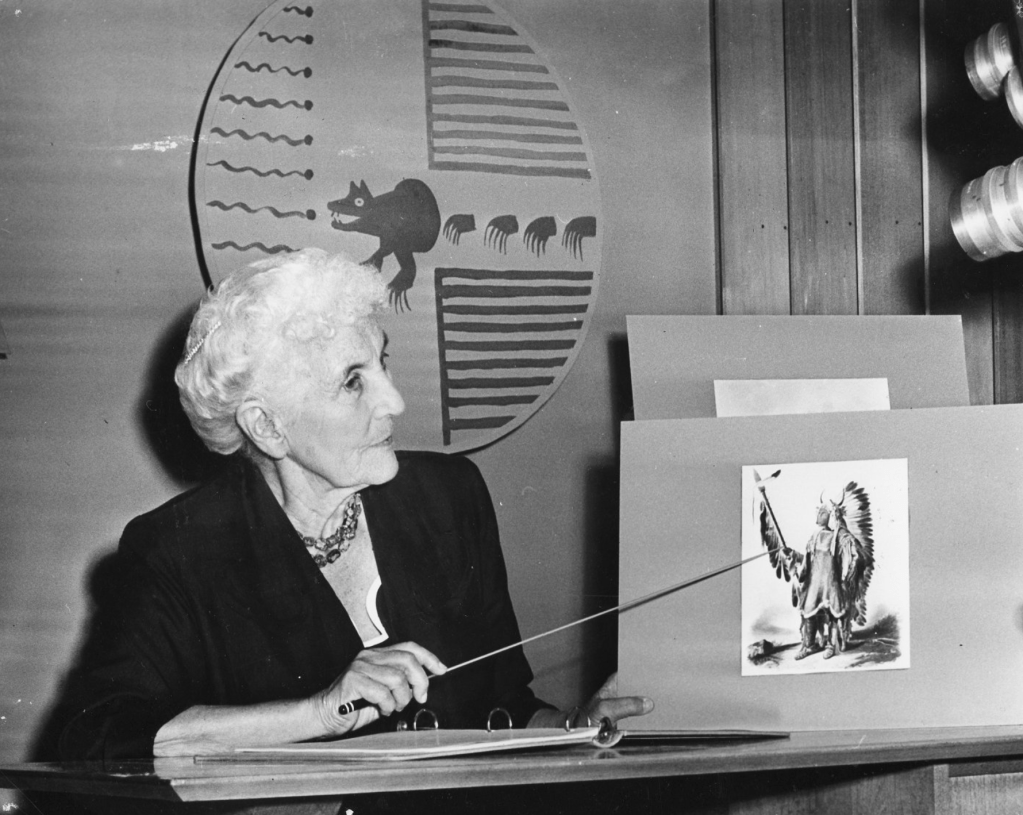
Dr. Ruth Murray Underhill on TV c. 1957 
 Filming “Red Man’s America” for KRMA-TV channel 6, an educational TV station owned and operated by the Denver Public Schools.
 Courtesy of the Denver Museum of Nature & Science

Underhill would stay in contact with the members of the Papago and in 1979, they honored her with the following:

“It was through your works on the Papago people that many of our young Papagos, in search of themselves, their past, their spirit have recaptured part of their identities. Your works will continue to reinforce the true identity of many more young people as well as the old.   It is with this in mind that we wish to express our deep sense of appreciation.”

She would die just shy of her 101st birthday.
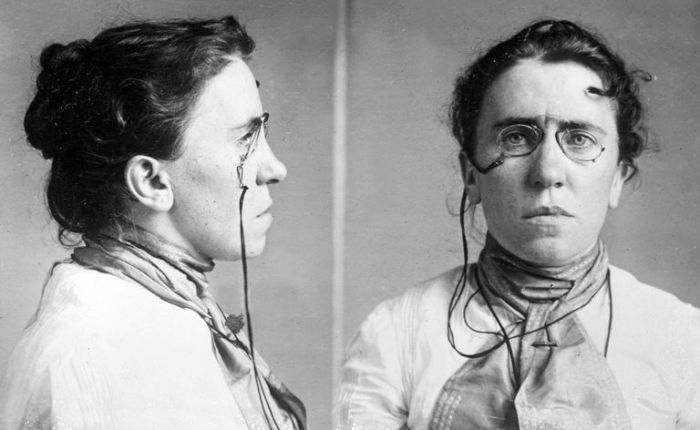
Emma Goldman – Anarchist on Allapartus!

Emma Goldman – Anarchist on Allapartus!
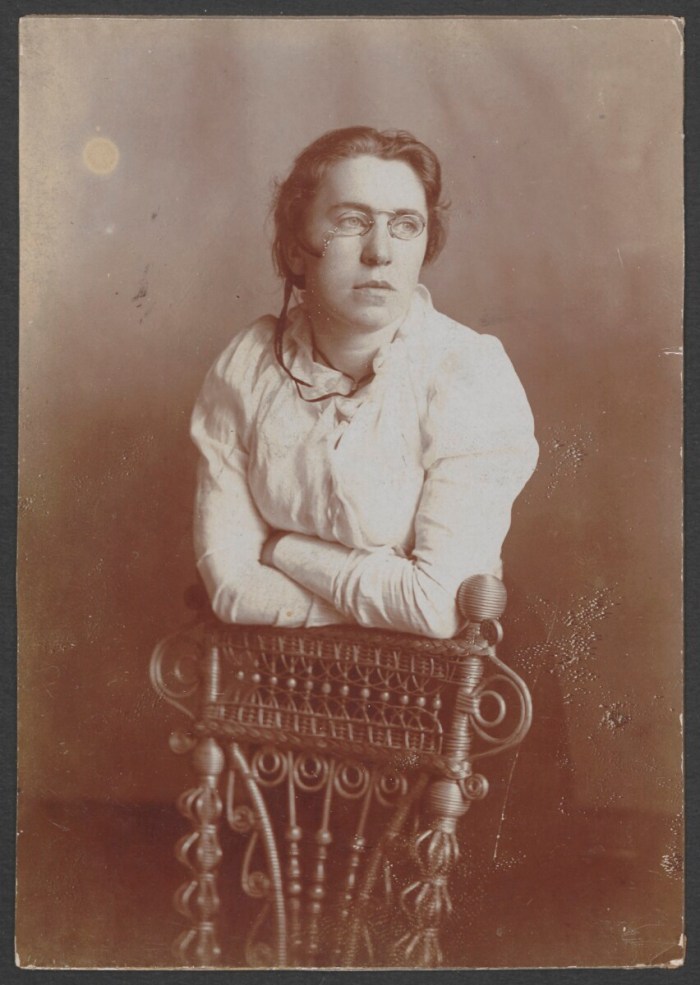
Emma Goldman, c. 1890s
Courtesy of Duke University Library

Emma Goldman
1869 – 1940

Feminist
Anarchist
Author
Nurse
Magazine Editor & Publisher, 
Birth Control Advocate
Anti-War Activist
***Local Connection: Allapartus Road***

Did you know that Emma Goldman, famous anarchist, had a country home on Allapartus Road in the early 20th century?

Do you even know who Emma Goldman was? Or what anarchy is? Don’t worry, most people I’ve tried to impress with this piece of Ossining history don’t know either.

Now, today, instead of being described as “The High Priestess of Anarchy,” Emma Goldman is more often thought of as a progressive feminist, an author, a magazine publisher, and an inspirational speaker. Her passionate advocacy for birth control, marriage reform, sexual freedom, worker’s rights, and vehement anti-war activism was extremely progressive for the time. 

And in the 19th/early 20th centuries, Emma Goldman made headlines as “Red Emma” and “A Dangerous Woman.”

Believing that “Fighting injustice and exploitation is all that matters,” she tirelessly spoke out on behalf of the marginalized, the exploited and the oppressed. 

Now, I have to delve into this anarchy thing before I go any further, because it’s essential to understanding what Emma Goldman was about.

Basically, anarchy (in the way that Goldman defined it) describes a society without any centralized authority.  So, no rulers, government, laws — frankly, it’s a movement that I never found that interesting because it seems so irrational, so angry, and so violent.  And perhaps it is on the surface, and violent acts have certainly been perpetrated in its name.

In 1893, when Goldman was imprisoned for “inciting to riot”, she gave a jailhouse interview to Nellie Bly, a reporter for The New York World, and explained why she was an anarchist and what she hoped to accomplish:

 I am an Anarchist because I am an egotist. It pains me to see others suffer. I cannot bear it. Everything wrong, crime and sickness and all that, is the result of the system under which we live. Were there no money, and as a result, no capitalists, people would not be over-worked, starved and ill-housed, all of which makes them old before their time, diseases them and makes them criminals. To save a dollar the capitalists build their railroads poorly, and along comes a train, and loads of people are killed. What are their lives to him if by their sacrifice he has saved money?

In further researching this topic, I came upon this definition by the writer Rebecca Solnit: “Anarchists are idealists, believing human beings do not need authorities or the threat of violence to govern them, but are instead capable of governing themselves by cooperation, negotiation, and mutual aid.”[1] 

Between Goldman and Solnit’s explanations, on paper anarchism certainly seems like a utopian ideal but really – has there ever been such an idyllic civilization? Could it ever really exist? Did Emma Goldman meet any human beings?   (Ooops, my cynicism is showing.)

But she truly believed this world was possible and pursued these ideals her entire life. And for all her fight and spirit and refusal to accept the status quo, Emma Goldman was a radical optimist, a passionate believer in the essential good of the human beings, if only the jackboot of authority could be lifted from their necks.  

Born in 1869 in Popelon, Lithuania, Goldman emigrated to Rochester, New York in 1885.  The first job she would find was working in a sweatshop sewing men’s overcoats at a wage of $2.50 per week. (She marked this as the beginning of her advocacy for worker’s rights.) 

According to her 1931 memoir Living My LifeGoldman was radicalized after the 1886 Haymarket Affair bombing. 

Soon after this, Goldman would meet and fall in love with Alexander Berkman, an equally fiery anarchist and activist.   In 1892, in response to the strikes in Andrew Carnegie’s steel mills in Homestead, Pennsylvania where Pinkerton guards were brought in to quell the conflict with billy clubs and bullets, Berkman decided to follow the anarchist’s playbook, deploy “targeted violence,” and murder Carnegie’s right hand man Henry Clay Frick.  (The idea was that this murder would inflame the masses, causing revolution to take place, thus toppling capitalism.) 

Frick survived, and Berkman served 14 years in prison for attempted murder. Goldman was initially implicated, but there was no evidence with which to charge her. However, this incident would mark her as a violent, dangerous person, one the authorities would trail and watch closely.

Knowing this, she still toured the country giving speeches, encouraging workers to “Demonstrate before the palaces of the rich; demand work. If they do not give you work, demand bread. If they deny you both, take bread.” It was after one such lecture that she was arrested and convicted for “inciting to riot.” She spent a year imprisoned on Blackwell’s (now Roosevelt) Island, New York working as an amateur nurse in the prison hospital and giving occasional interviews to sympathetic reporters.

After serving her term, she traveled to Europe for formal nursing and midwife training and would fall back on these skills throughout her life to support herself.

Ossining Connection

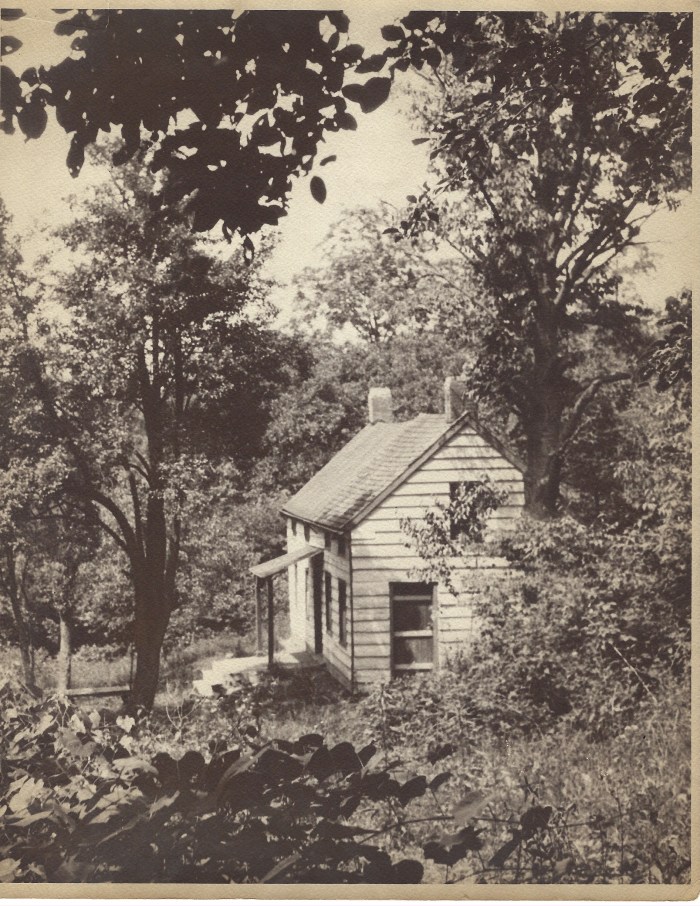
In 1905, a wealthy friend, Bolton Hall, purchased a small farm at the top of Allapartus Road (technically in New Castle, just outside the Ossining border) and gave it to Goldman.  

Farmhouse on Allapartus Road, c. 1910 (now demolished)
Courtesy of Gareth Hougham

She would come to this little farmhouse to decompress, to cook, to garden and to write. As she described it “The house was old and shaky, and there was no water on the premises. But its rugged beauty and seclusion, and the gorgeous view from the hill, made up for what was lacking in comfort.”

Alexander Berkman would join her there after his release from prison.  Though they would discover that their romantic relationship was irretrievably broken by their time apart, they would remain professional colleagues for many years.

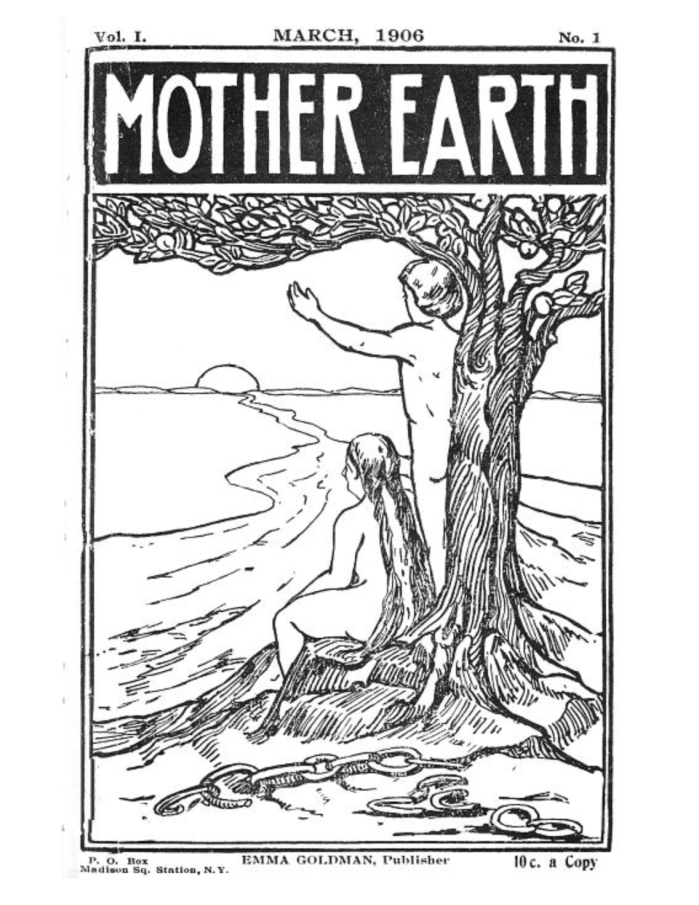
It’s around this time that Goldman found her radical periodical Mother Earth.  She would serve at various times as its publisher, head writer, and editor.  She attracted many of the progressive/radical writers and artists of the time, such as Floyd Dell, Louise Bryant (Diane Keaton played her in the movie Reds), Man Ray, and Margaret Sanger.  

Courtesy Gutenberg.org

(Fun Fact: Croton resident Max Eastman would found his socialist magazine The Masses in 1911 and employ some of the same writers and artists.  And both magazines would be shuttered in 1917 by the US Government for violating the Espionage Act for their radical anti-war/anti-conscription stances.)

In addition to putting out her monthly periodical, Goldman spent the 1910s on lecture tours speaking on topics ranging from anarchism, birth control, homosexuality to pacifism:

1915 Lecture Handbill from Portland, Oregon
Courtesy of JWA.org

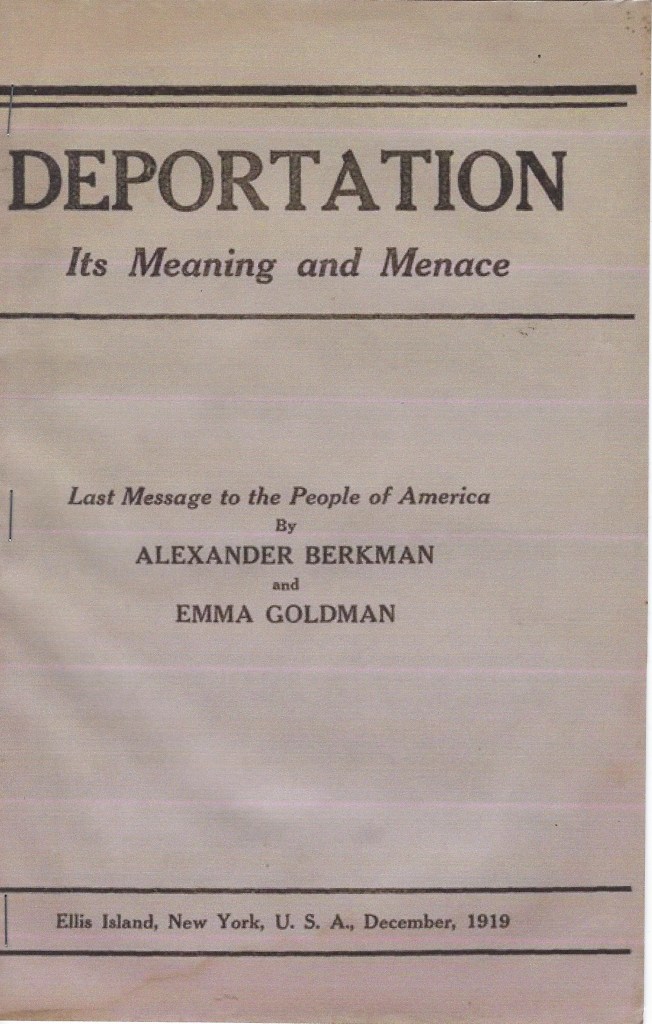
She would get arrested several more times for violating both the Comstock and Espionage acts – and this last one would cause her deportation to Russia in 1919, along with Alexander Berkman and around 200 others the US Government branded as communists/anarchists. She and Berkman would write the following pamphlet on Ellis Island as they awaited their boat to Russia:

Find the complete text here

Goldman died in Toronto in 1940 at the age of 70, after a series of strokes. However, even death could not silence her: Her body would be transported to Forest Park, Illinois to be buried near those who were executed for the Haymarket bombing. 

Her final words, chiseled on her gravestone are: “Liberty will not descend to a people. A people must raise themselves to liberty.”


[1] Solnit, Rebecca A Paradise Built in Hell, 2010