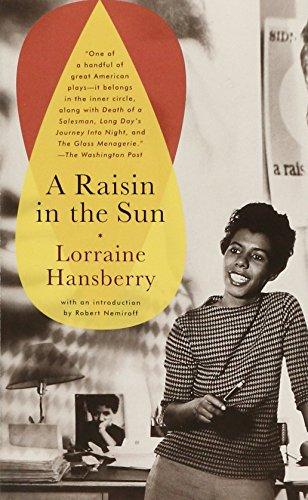
Lorraine Hansberry – Playwright, Civil Rights Activist

Lorraine Hansberry, c. 1964

Lorraine Hansberry
1930 – 1965

Playwright
Author
Civil Rights Activist
***Local Connection: Bridge Lane, Croton-on-Hudson***

Lorraine Hansberry was born in Chicago, IL to Carl August Hansberry, a successful real estate speculator (known as “The Kitchenette King of Chicago”) and Nannie Louise Perry, a teacher. 

When Hansberry was 8, her parents purchased a house in a white neighborhood, but faced intimidation and threats from the residents who tried to force them to leave. Hansberry remembered rocks being thrown through their windows, and her mother prowling the house after midnight carrying a German Luger pistol when Carl Hansberry was away on business.

Illinois courts upheld the ongoing eviction proceedings and found that by purchasing their house, the Hansberrys had violated the “white-only” covenant of that subdivision. However, Hansberry’s father took the case all the way to the United States Supreme Court and won. 

This experience would inspire Hansberry’s most famous play A Raisin in the Sun.

In 1950, Hansberry moved to New York City to pursue a career as a writer.  Landing first in Harlem, she began working for Paul Robeson’s Black, radical newspaper Freedom, a monthly periodical.
At Freedom, she quickly rose through the ranks from subscription manager, receptionist, typist, copy editor to associate editor, along the way writing articles and editorials for the paper.  It was during this time that she wrote one of her first theatrical pieces, a pageant for “The Freedom Negro History Festival” that would feature Paul Robeson, Harry Belafonte and Sidney Poitier, among other luminaries.  

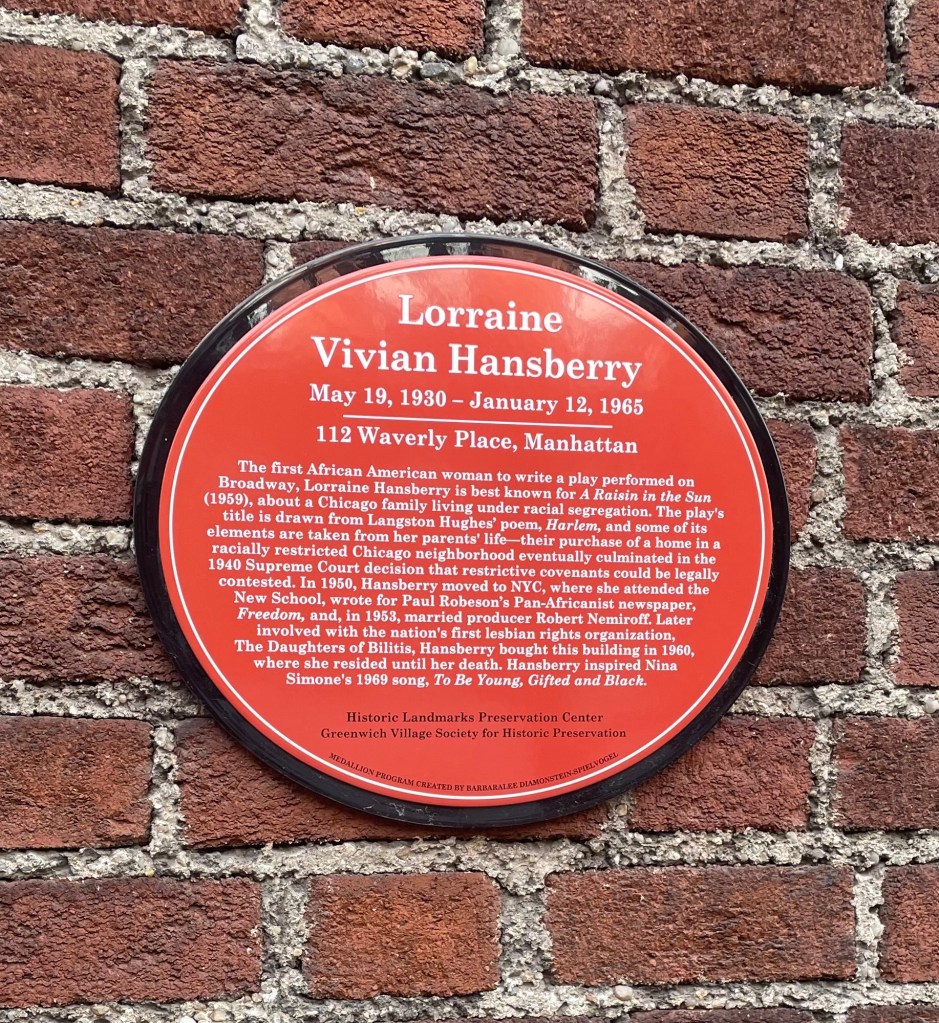
In 1953, she married Robert Nemiroff, a book editor, producer, and composer of the hit single “Cindy, oh Cindy.”  They moved to 337 Bleecker Street in Greenwich Village and it was here, in 1957, that she wrote her semi-autobiographical play A Raisin in the Sun.

It took the producers nearly two years to raise the funds, as investors were wary of backing the first play of an unknown 26-year-old Black woman. Premiering in New Haven, Connecticut, A Raisin in the Sun opened on Broadway in March 1959 and was the first Broadway show to be written by Black woman and the first to be directed by a Black man (Lloyd Richards.)  Starring Sidney Poitier, Ruby Dee and Claudia McNeil, the production was nominated for four Tony Awards.  The original production ran for 530 performances – a remarkable feat in those days and would make a successful transfer to the big screen in the 1961 movie written by Hansberry and starring most of the Broadway cast. Today it is a staple of high school and college curricula and is considered one of the greatest American plays of the 20th century.  It continues to be produced all over the world.

After the success of A Raisin in the Sun, Hansberry purchased a townhouse in Greenwich Village.
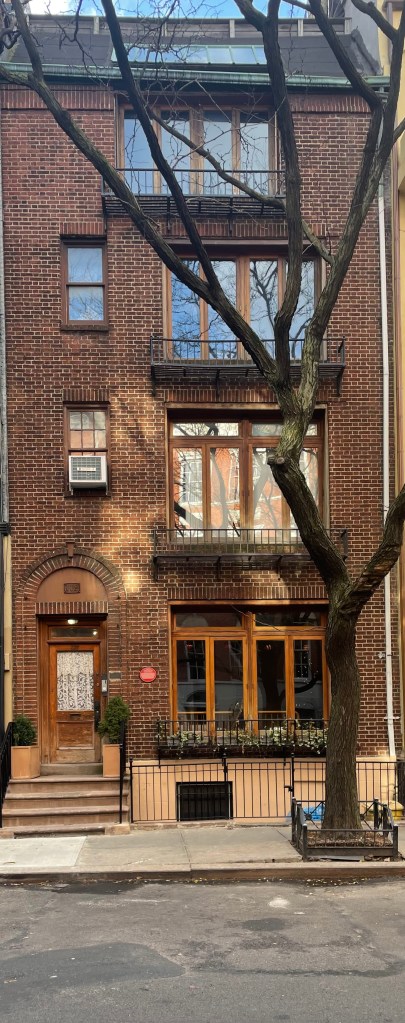
Soon after, she would purchase a house in Croton-on-Hudson. Ironically calling her Bridge Lane home, “Chitterling Heights,” it became her escape from the city, her writing studio, and a place where Black artists and progressives (such as Langston Hughes, Alex Haley, and Ruby Dee) would gather.
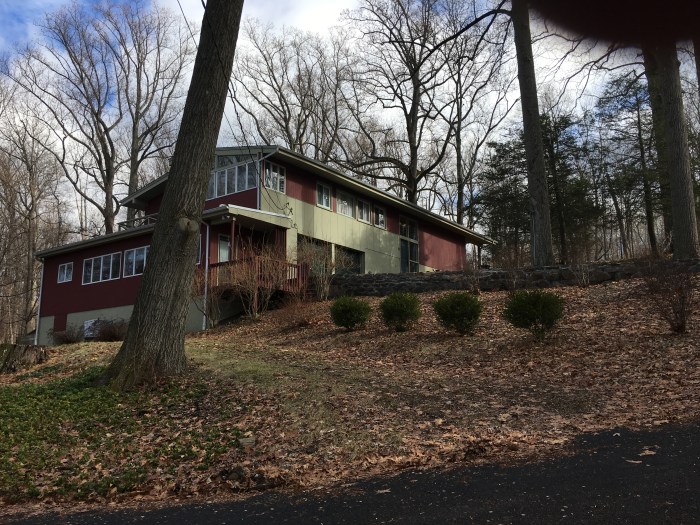
Lorraine Hansberry’s house on Bridge Lane, c. 2018

Hansberry’s Broadway success catapulted her into the whirlwind of popular intellectual discourse, and she used her newfound fame to speak out on things that mattered to her.  She became a star speaker, dominating panels, podiums and television appearances.  Her quick wit and provocative stances made her popular with the media as she could always be counted on for spirited discussion.  

She was deeply involved in the Civil Rights movement, appearing at numerous events and meeting with political leaders:
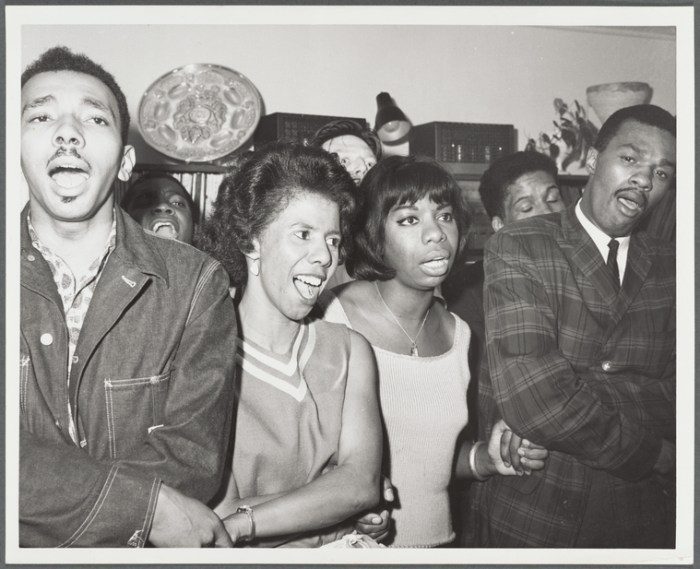
Hansberry with Nina Simone at a Student Non-Violent Coordinating Committee event, 1963.
Courtesy of the New York Public Library

By 1963, as one of the intellectual leaders of the civil rights movement, Attorney General Robert F. Kennedy would meet with her, James Baldwin, Lena Horne, Harry Belafonte and others for advice on civil rights and school desegregation initiatives.  (Read a May 25, 1963 New York Times article about this meeting here.)

In 1964, Hansberry was integral in organizing and participating in one of the first fundraisers in the New York City area for the civil rights movement, held at Croton’s Temple Israel.   (The 1963 Birmingham church bombings catalyzed many on the East Coast.)  
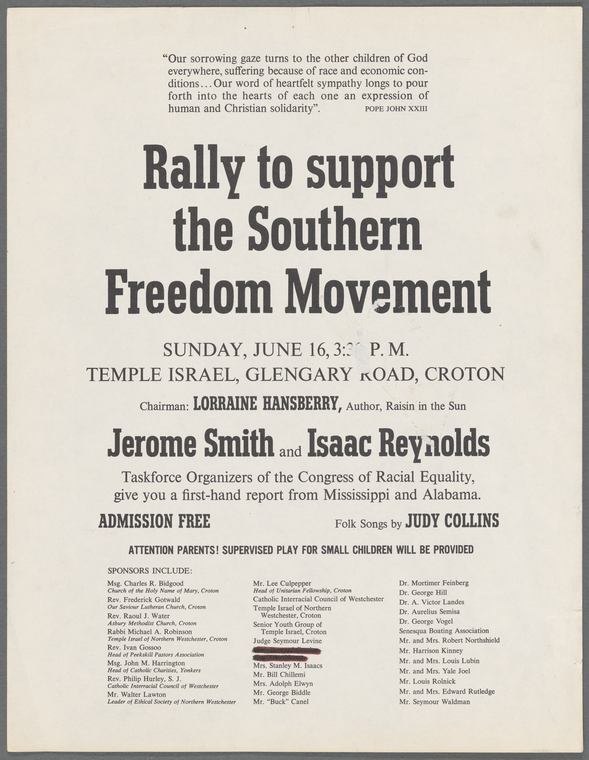
She was the MC of the event, and brought in other like-minded celebrities, including Ossie Davis, James Baldwin, and Judy Collins. They raised over $11,000 for organizations like the Congress of Racial Equality – Freedom Summer voter registration project (CORE), the Student Non-violent Coordinating Committee (SNCC) and the NAACP.

Some of the money raised went towards the purchase of a Ford station wagon that Freedom Riders James Chaney, Andrew Goodman, and Michael Schwerner were driving the night they were murdered by the Ku Klux Klan in Philadelphia, Mississippi.

Unofficially separated for several years, Hansberry would divorce Robert Nemiroff in 1964, though they remained close collaborators and business partners to the end of her life.  Nemiroff produced her final play, The Sign in Sidney Brustein’s Window, which opened on Broadway in October 1964.
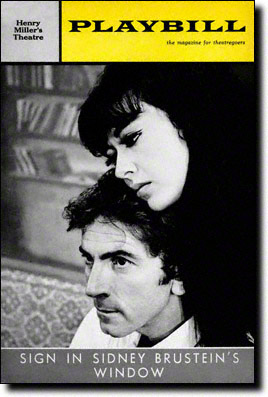
In January 1965, Hansberry would die from pancreatic cancer at the age of 34, two days after The Sign in Sidney Brustein’s Window closed.  

She is buried in the Bethel Cemetery in Croton-on-Hudson, New York.
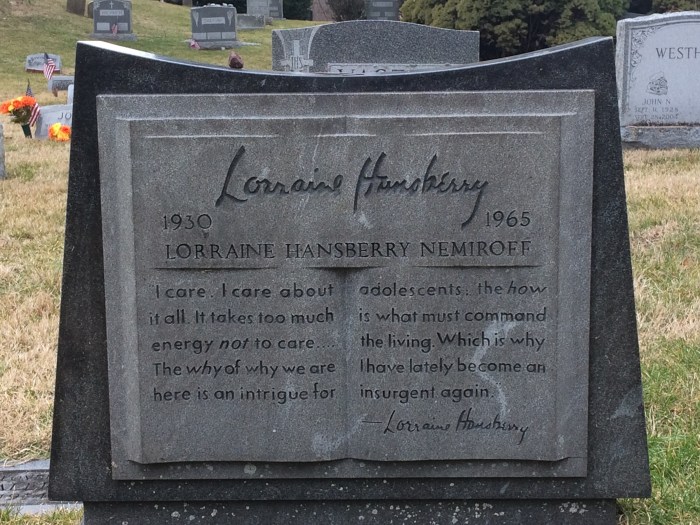
CODA:

“You are young, gifted, and black. In the year 1964, I, for one can think of no more dynamic combination that a person might be.”

The above quotation comes from a talk Lorraine Hansberry gave to six teenage winners of a Readers’ Digest/ United Negro College Fund writing contest. In 1968, ex-husband and literary executor Robert Nemiroff would compile many of Hansberry’s unfinished and unpublished works into an off-Broadway play called Young, Gifted and Black.  This in turn would be adapted into a posthumous autobiography of the same name published in 1969.  
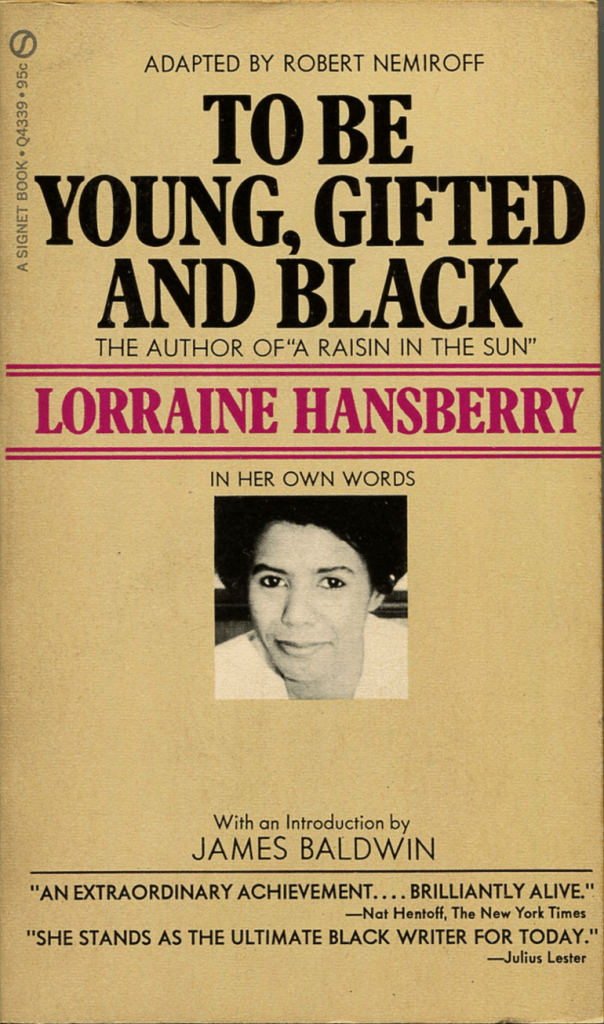
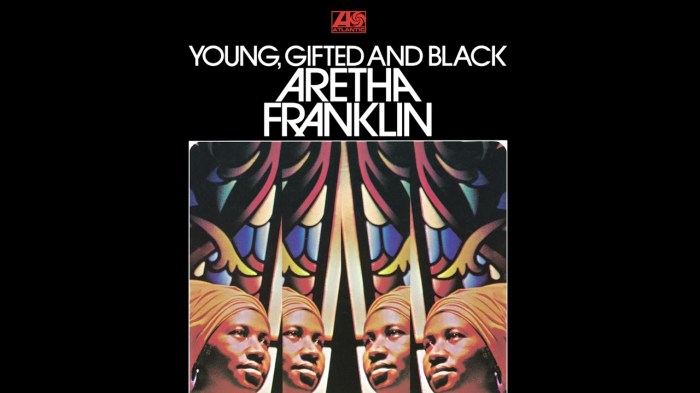
Singer/Songwriter Nina Simone would be inspired to write and record a song with that title and in 1972, singer Aretha Franklin would release an album of the same name.
There have been numerous productions of her seminal play A Raisin in the Sun – on Broadway and off-, internationally, in regional theaters, on television and film. In 1973, a musical version of the play, called Raisin won the Tony Award for Best Musical. In 2010, playwright Bruce Norris wrote Clybourne Park which tells the story before and after the events of A Raisin in the Sun and in 2013, Kwame Kwei-Armah wrote Beneatha’s Place which imagines what happened to the character of Beneatha after the events of A Raisin in the Sun.

It is a play and a story that continue to inspire.

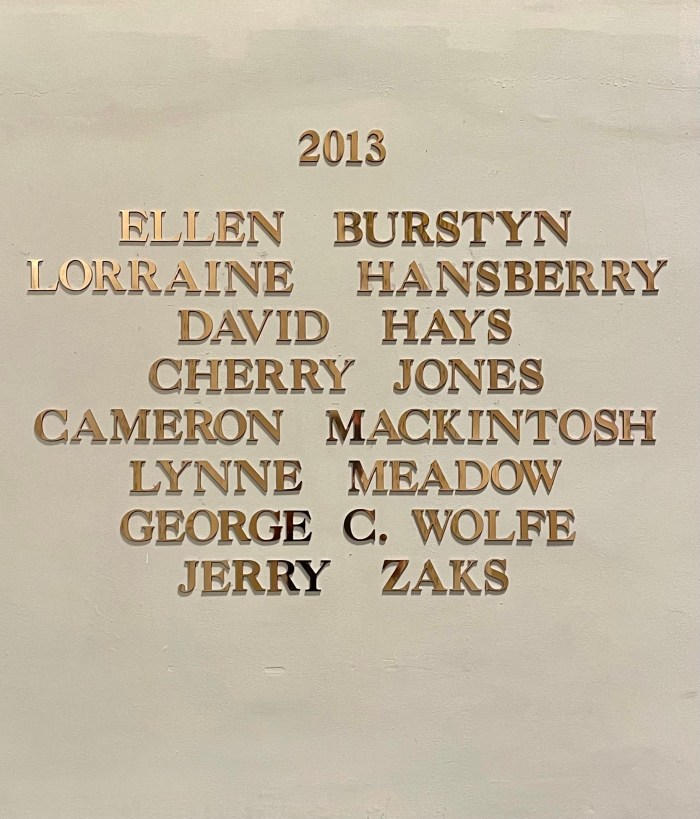
Yet, it took until 2013 for Lorraine Hansberry to be inducted into the Theatre Hall of Fame:
Finally, today, in addition to her other accomplishments, Lorraine Hansberry is now being hailed as a figurehead of the LGBTQ movement. However, this is a little tricky, as Hansberry was not out during her lifetime.  For five decades after her death, ex-husband and literary executor Robert Nemiroff restricted access to any of Hansberry’s writings that explored her sexuality. It wasn’t until 2013 that researchers were allowed to see these previously hidden articles, letters, and journal entries. Since then, Hansberry has emerged as a queer icon. Her published works from this cache, often signed only with her initials, reveal a thoughtful and progressive thinker, while her private writings offer a new perspective on this multifaceted artist.
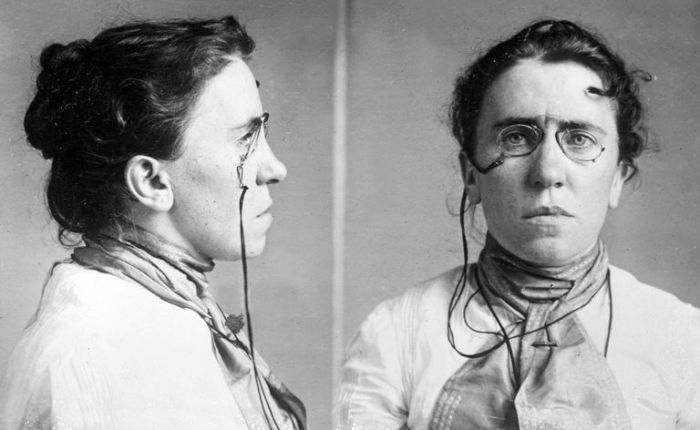
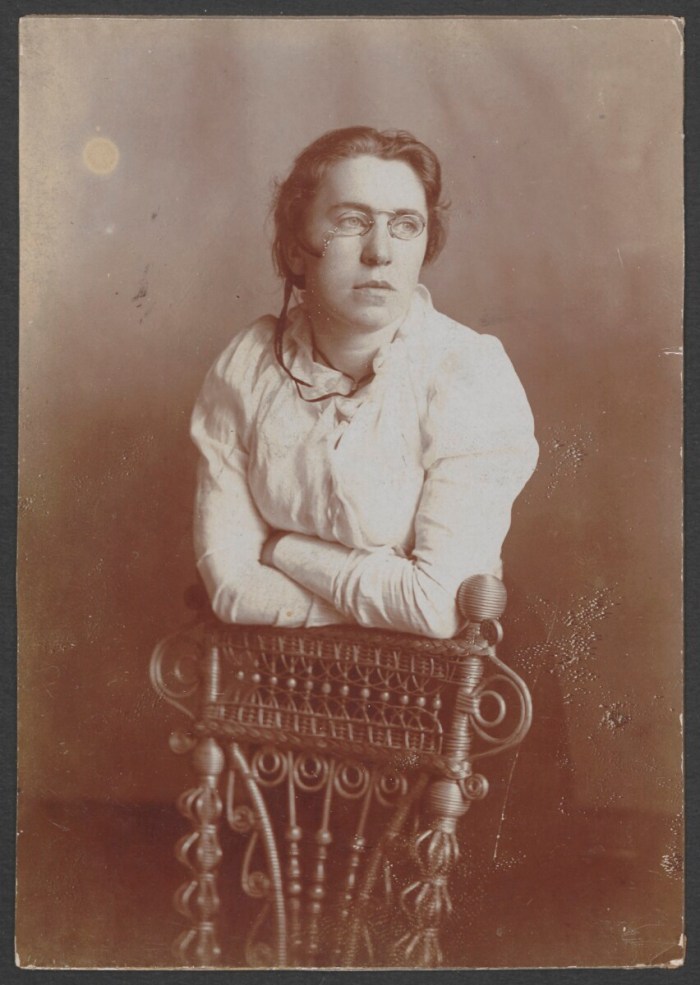
Emma Goldman – Anarchist on Allapartus!

Emma Goldman – Anarchist on Allapartus!
Emma Goldman, c. 1890s
Courtesy of Duke University Library

Emma Goldman
1869 – 1940

Feminist
Anarchist
Author
Nurse
Magazine Editor & Publisher, 
Birth Control Advocate
Anti-War Activist
***Local Connection: Allapartus Road***

Did you know that Emma Goldman, famous anarchist, had a country home on Allapartus Road in the early 20th century?

Do you even know who Emma Goldman was? Or what anarchy is? Don’t worry, most people I’ve tried to impress with this piece of Ossining history don’t know either.

Now, today, instead of being described as “The High Priestess of Anarchy,” Emma Goldman is more often thought of as a progressive feminist, an author, a magazine publisher, and an inspirational speaker. Her passionate advocacy for birth control, marriage reform, sexual freedom, worker’s rights, and vehement anti-war activism was extremely progressive for the time. 

And in the 19th/early 20th centuries, Emma Goldman made headlines as “Red Emma” and “A Dangerous Woman.”

Believing that “Fighting injustice and exploitation is all that matters,” she tirelessly spoke out on behalf of the marginalized, the exploited and the oppressed. 

Now, I have to delve into this anarchy thing before I go any further, because it’s essential to understanding what Emma Goldman was about.

Basically, anarchy (in the way that Goldman defined it) describes a society without any centralized authority.  So, no rulers, government, laws — frankly, it’s a movement that I never found that interesting because it seems so irrational, so angry, and so violent.  And perhaps it is on the surface, and violent acts have certainly been perpetrated in its name.

In 1893, when Goldman was imprisoned for “inciting to riot”, she gave a jailhouse interview to Nellie Bly, a reporter for The New York World, and explained why she was an anarchist and what she hoped to accomplish:

 I am an Anarchist because I am an egotist. It pains me to see others suffer. I cannot bear it. Everything wrong, crime and sickness and all that, is the result of the system under which we live. Were there no money, and as a result, no capitalists, people would not be over-worked, starved and ill-housed, all of which makes them old before their time, diseases them and makes them criminals. To save a dollar the capitalists build their railroads poorly, and along comes a train, and loads of people are killed. What are their lives to him if by their sacrifice he has saved money?

In further researching this topic, I came upon this definition by the writer Rebecca Solnit: “Anarchists are idealists, believing human beings do not need authorities or the threat of violence to govern them, but are instead capable of governing themselves by cooperation, negotiation, and mutual aid.”[1] 

Between Goldman and Solnit’s explanations, on paper anarchism certainly seems like a utopian ideal but really – has there ever been such an idyllic civilization? Could it ever really exist? Did Emma Goldman meet any human beings?   (Ooops, my cynicism is showing.)

But she truly believed this world was possible and pursued these ideals her entire life. And for all her fight and spirit and refusal to accept the status quo, Emma Goldman was a radical optimist, a passionate believer in the essential good of the human beings, if only the jackboot of authority could be lifted from their necks.  

Born in 1869 in Popelon, Lithuania, Goldman emigrated to Rochester, New York in 1885.  The first job she would find was working in a sweatshop sewing men’s overcoats at a wage of $2.50 per week. (She marked this as the beginning of her advocacy for worker’s rights.) 

According to her 1931 memoir Living My LifeGoldman was radicalized after the 1886 Haymarket Affair bombing. 

Soon after this, Goldman would meet and fall in love with Alexander Berkman, an equally fiery anarchist and activist.   In 1892, in response to the strikes in Andrew Carnegie’s steel mills in Homestead, Pennsylvania where Pinkerton guards were brought in to quell the conflict with billy clubs and bullets, Berkman decided to follow the anarchist’s playbook, deploy “targeted violence,” and murder Carnegie’s right hand man Henry Clay Frick.  (The idea was that this murder would inflame the masses, causing revolution to take place, thus toppling capitalism.) 

Frick survived, and Berkman served 14 years in prison for attempted murder. Goldman was initially implicated, but there was no evidence with which to charge her. However, this incident would mark her as a violent, dangerous person, one the authorities would trail and watch closely.

Knowing this, she still toured the country giving speeches, encouraging workers to “Demonstrate before the palaces of the rich; demand work. If they do not give you work, demand bread. If they deny you both, take bread.” It was after one such lecture that she was arrested and convicted for “inciting to riot.” She spent a year imprisoned on Blackwell’s (now Roosevelt) Island, New York working as an amateur nurse in the prison hospital and giving occasional interviews to sympathetic reporters.

After serving her term, she traveled to Europe for formal nursing and midwife training and would fall back on these skills throughout her life to support herself.

Ossining Connection

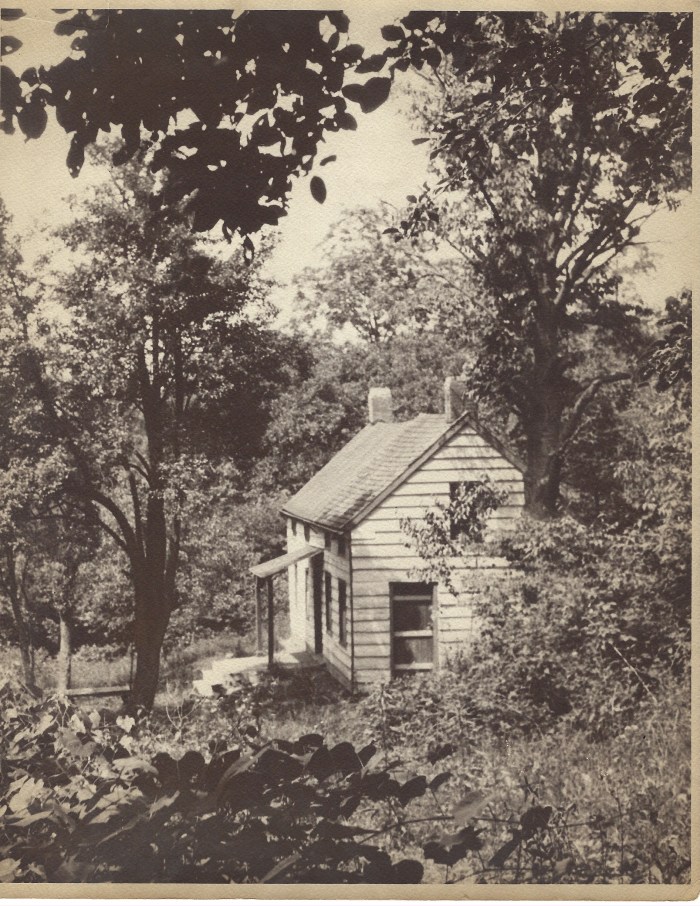
In 1905, a wealthy friend, Bolton Hall, purchased a small farm at the top of Allapartus Road (technically in New Castle, just outside the Ossining border) and gave it to Goldman.  

Farmhouse on Allapartus Road, c. 1910 (now demolished)
Courtesy of Gareth Hougham

She would come to this little farmhouse to decompress, to cook, to garden and to write. As she described it “The house was old and shaky, and there was no water on the premises. But its rugged beauty and seclusion, and the gorgeous view from the hill, made up for what was lacking in comfort.”

Alexander Berkman would join her there after his release from prison.  Though they would discover that their romantic relationship was irretrievably broken by their time apart, they would remain professional colleagues for many years.

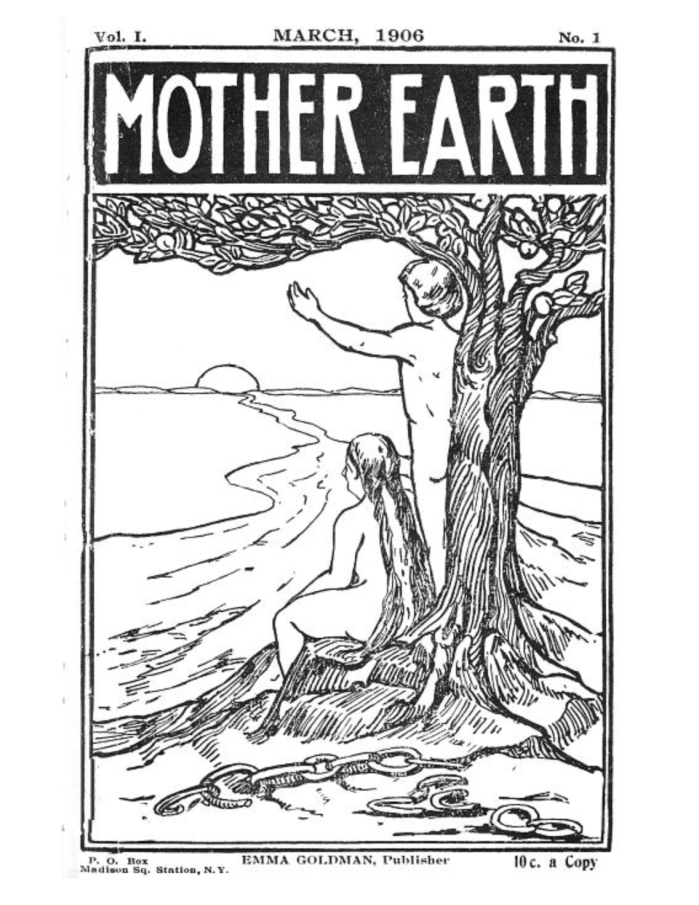
It’s around this time that Goldman found her radical periodical Mother Earth.  She would serve at various times as its publisher, head writer, and editor.  She attracted many of the progressive/radical writers and artists of the time, such as Floyd Dell, Louise Bryant (Diane Keaton played her in the movie Reds), Man Ray, and Margaret Sanger.  

Courtesy Gutenberg.org

(Fun Fact: Croton resident Max Eastman would found his socialist magazine The Masses in 1911 and employ some of the same writers and artists.  And both magazines would be shuttered in 1917 by the US Government for violating the Espionage Act for their radical anti-war/anti-conscription stances.)

In addition to putting out her monthly periodical, Goldman spent the 1910s on lecture tours speaking on topics ranging from anarchism, birth control, homosexuality to pacifism:

1915 Lecture Handbill from Portland, Oregon
Courtesy of JWA.org

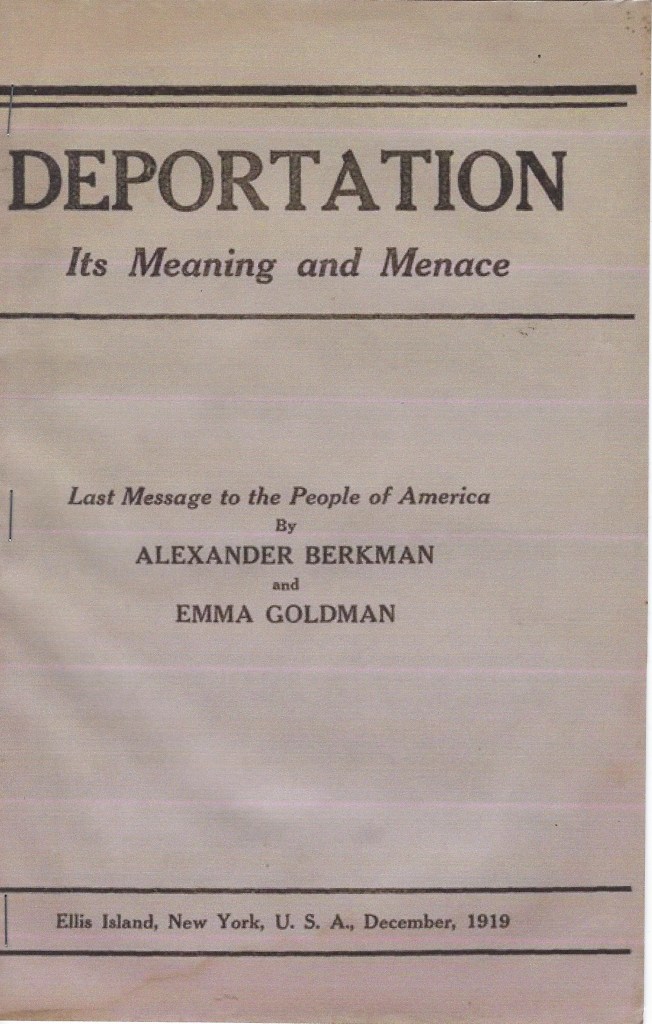
She would get arrested several more times for violating both the Comstock and Espionage acts – and this last one would cause her deportation to Russia in 1919, along with Alexander Berkman and around 200 others the US Government branded as communists/anarchists. She and Berkman would write the following pamphlet on Ellis Island as they awaited their boat to Russia:

Find the complete text here

Goldman died in Toronto in 1940 at the age of 70, after a series of strokes. However, even death could not silence her: Her body would be transported to Forest Park, Illinois to be buried near those who were executed for the Haymarket bombing. 

Her final words, chiseled on her gravestone are: “Liberty will not descend to a people. A people must raise themselves to liberty.”


[1] Solnit, Rebecca A Paradise Built in Hell, 2010

Edith Cheatham Smith – WWII Red Cross Volunteer, Aviator, Business Owner

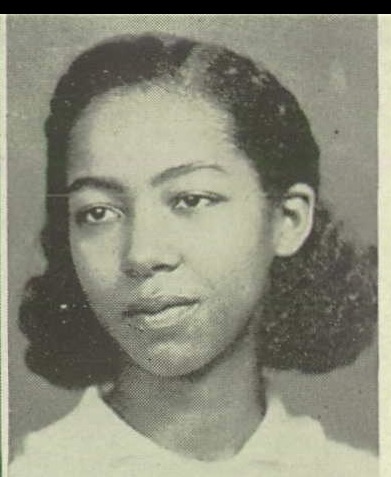
Edith Cheatham
Courtesy of the Ossining High School Yearbook, 1936

Edith Cheatham Smith
1917 – 2007
OHS 1936

WWII Red Cross Volunteer, Italy
Aviator
President, Warhawk Aviation

***Local Connection: Hunter Street***

Edith Cheatham was born on March 8, 1917, in Lunenberg, Virginia to John Floyd Cheatham and Susie Fowlkes Cheatham.  Her father came up to Ossining in about 1911 and is said to have helped build Maryknoll. 

In about 1924, her parents were both living in Ossining, and in the 1930 census we find the family living at 59 Durston (now Hunter) Street. Her father was a carpenter who had his own business, and her mother was busy raising Edith and her six siblings.

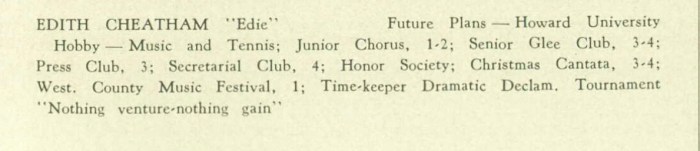
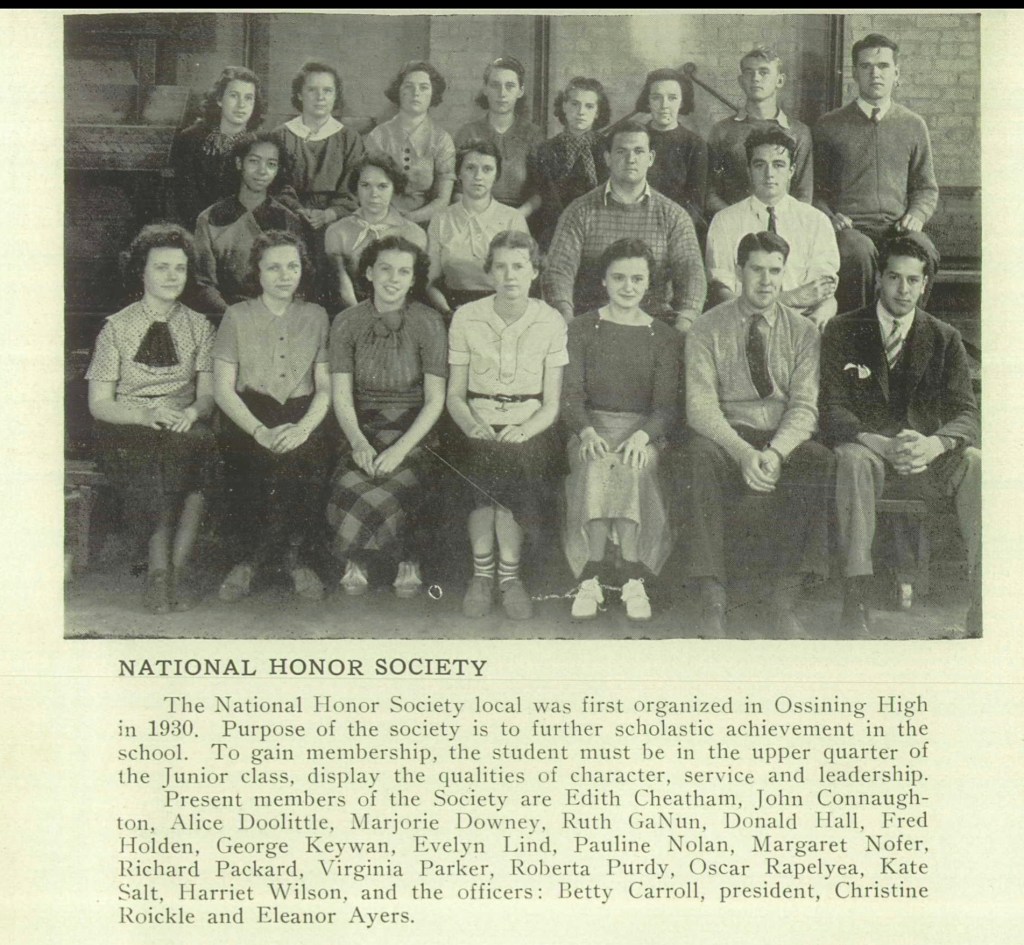
Edith attended Ossining High School, graduating in 1936.  A member of the National Honor Society and numerous music clubs, she had hoped to go on to Howard University.

Courtesy of the Ossining High School Yearbook, 1936

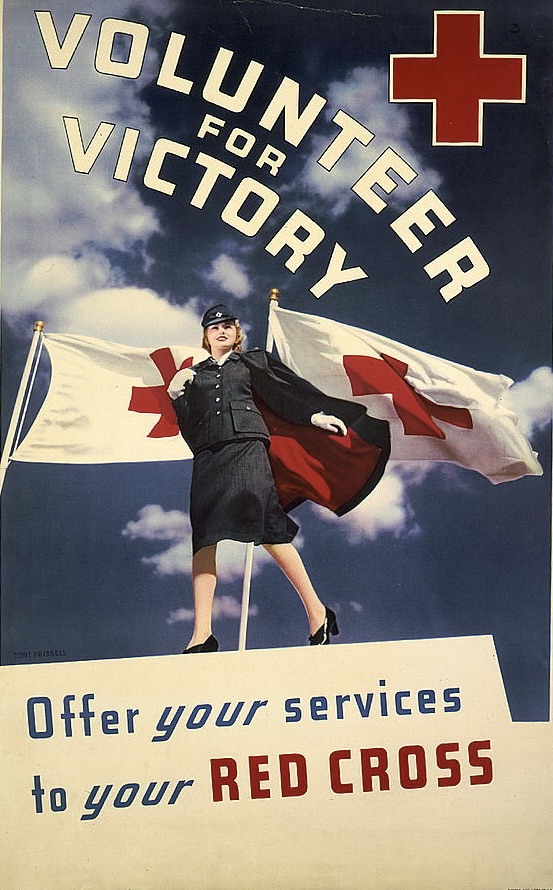
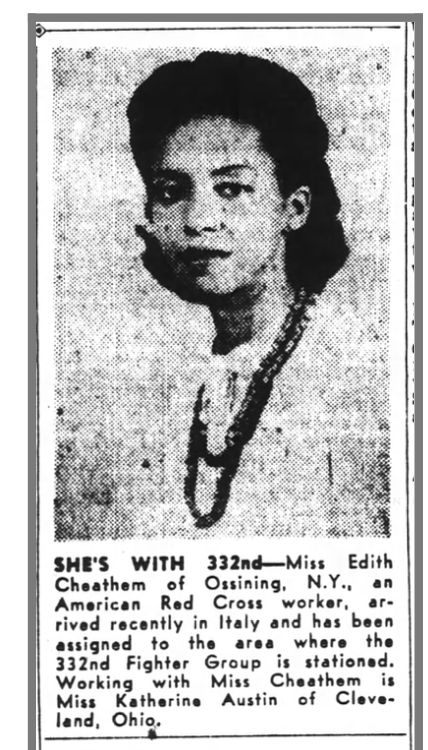
According to the 1940 US census, Edith was still living at home and working as a clerk.  She also was apparently taking business classes at NYU. Then, in 1943, she accompanied a friend who wanted to volunteer for the Red Cross into the city and ended up volunteering herself.  She was first assigned to the Aberdeen Proving Grounds in Maryland and then sent overseas in 1944 to support the men of the 332nd Fighter Group, aka the Tuskegee Airmen, a pioneering group of Black aviators who fought in WWII.  

Courtesy of the Library of Congress
Miss Edith Cheatham of Ossining, NY.
From the Pittsburgh Courier, 12/9/1944

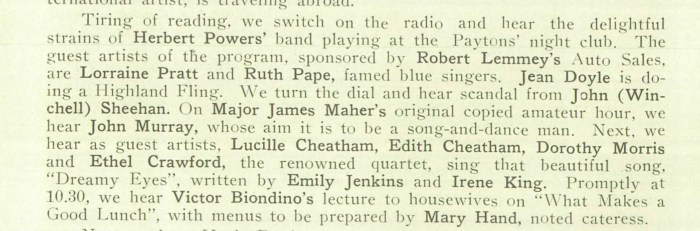
Thanks to the Baltimore Afro-American newspaper, we know that Edith was one of the first “Colored women to operate Clubmobile Service in the Mediterranean Theater of Operations,” delivering coffee and donuts to fighter pilots at Ramitelli Airfield as they returned from their bomber escort missions.  She also may have assisted in the base hospital in the nearby town of Campomarino.   Perhaps she was occasionally stationed at the Officers Club at the 332nd base.  Maybe she even snuck onto a plane on a covert mission to photograph future bombing sites. (Things like this ARE documented!)  

But whatever her specific activities were, they involved courage and resourcefulness. (Read this thesis by Julia Ramsey on Red Cross Volunteers during WWII, which offers great information about what the Red Cross volunteers did.)

In January 1946, she left Naples on the USS General W.P. Richardson, a troopship with about 4,000 on board, and arrived in New York City two weeks later. 

She would return to Ossining and then take flying lessons at Zahn’s Flying Service in Amityville, Long Island, where her instructor was Archie Smith.  They married in October 1946. (Smith was a graduate of Tuskegee University in Alabama and had been a Flight Instructor and Commander at the Tuskegee Institute during World War II.  After his stint at Zahn’s, he would go on to found Warhawk Aviation Service, based at the Westchester Airport, in the 1950s.)  

Archie and Edith settled on Batton Road in Croton-on-Hudson, and raised their three children, David, Tim, and Dolores.

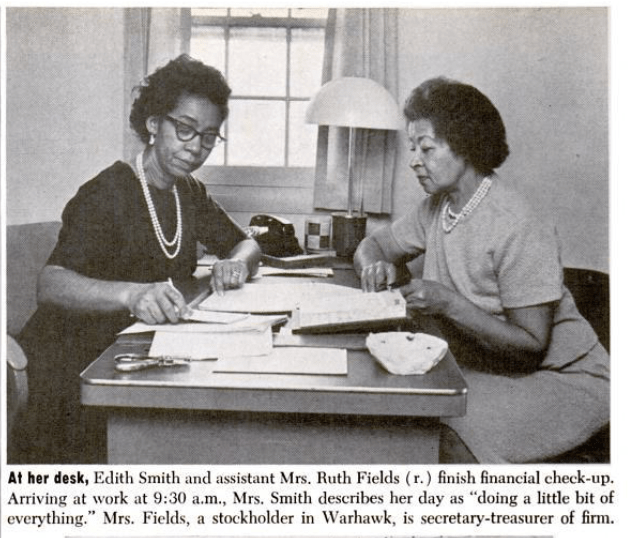
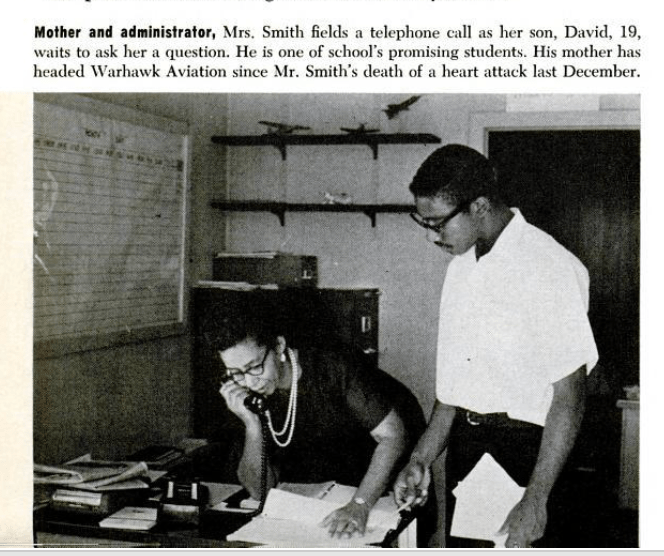
Archie passed away suddenly in 1966 and Edith took over Warhawk Aviation, running it until 1969.  Below are two images from an October 1967 article in Ebony Magazine, titled “Spunky Widow Runs Modern Pilot School”:

She would then work at IBM for nearly 20 years, before moving to Mesa, Arizona to be near her daughter Dolores.  Edith lived there until her death in 2007.  

Her relatives remember her as independent, strong-willed and kind. She loved to do New York Times crosswords and could usually fill them out in one pass.  Not surprising for a former member of the National Honor Society.

If she could do what she did in the 1940s – volunteer overseas on the battlefield, learn to fly, run a business – what’s stopping the rest of us?


[1] https://www.zahnsairport.com  

Vera Neumann — Textile Designer

Vera Neumann — Textile Designer

Vera Neumann
1907 – 1993

Textile designer
***Local Connection: Smith-Robinson House/Printex Factory, 34 State Street***

Do you know who Vera Neumann was?  Perhaps your mother or grandmother owned a Vera scarf? Or maybe you bought some Vera dish towels from Crate & Barrel, or a Vera dress from Target not too long ago?  She’s an absolute legend in the world of textile design and her Printex printing plant was located right here in Ossining, at 34 State Street.

So settle in, tie a brightly hued scarf around your neck, and read on . . .

Born in 1907 in Stamford, CT, Vera was creative from the time she could hold a pencil.  The story goes that her father nurtured her talent by taking her to the Metropolitan Museum of Art every Sunday, as well as hiring a sign painter to give her private drawing lessons.  Vera went on to study at the Cooper Union and started out as a fashion illustrator and freelance painter of murals for children’s rooms.  (Wouldn’t THAT have been a thing to grow up with on your wall!)

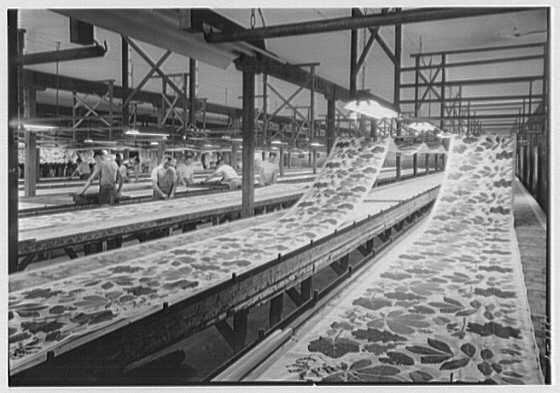
She married her husband George Neumann in the 1940s and they became the power couple of textile design.  With her limitless imagination and his business acumen, they built a wildly successful and long-lived company.  Their first commission was placements for the B. Altman department store, with Vera screenprinting the entire run on her dining room table.  After that, it was a race to keep up with demand.  

The post-World War II world complicated matters, as it was difficult to source fabrics.  An oft-repeated story is that Vera came across a stash of silk parachutes in an army surplus store and began screen printing her whimsical, colorful, ever-changing designs on silk and so created her iconic line of scarves.

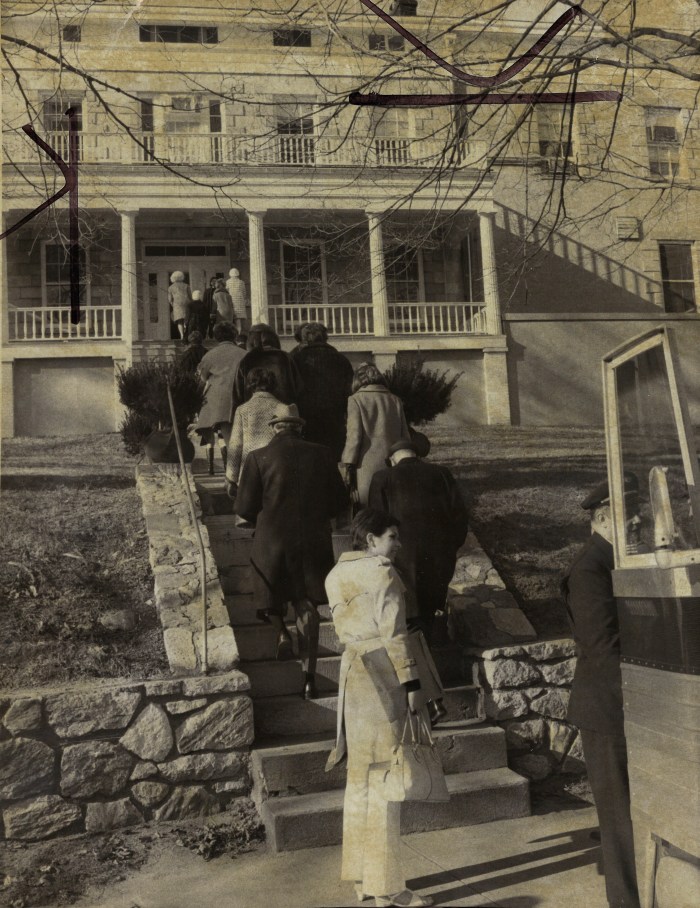
Outgrowing one studio after another, Vera and George settled in Ossining, buying the former Smith-Robinson House at 34 State Street and fitting it out for their Printex plant.  (An 1810 Georgian mansion, it’s still standing today, barely, and is one of the few remaining buildings in Ossining built with prisoner-quarried Sing Sing marble.)

Department Store buyers visiting the Printex Plant, c. 1960s
Courtesy of the Ossining Historical Society and Museum

With their living space and office right next to the plant, Vera’s reputation and creativity thrived.  

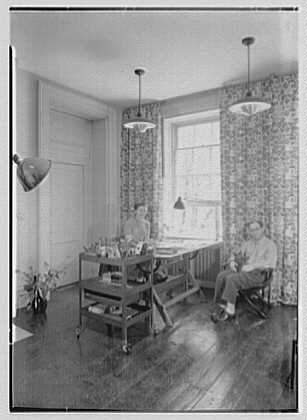
Vera and George Neumann in the design studio of Printex.
Photo by Gottscho-Schleisner, Inc. (1951),
Courtesy of the Library of Congress
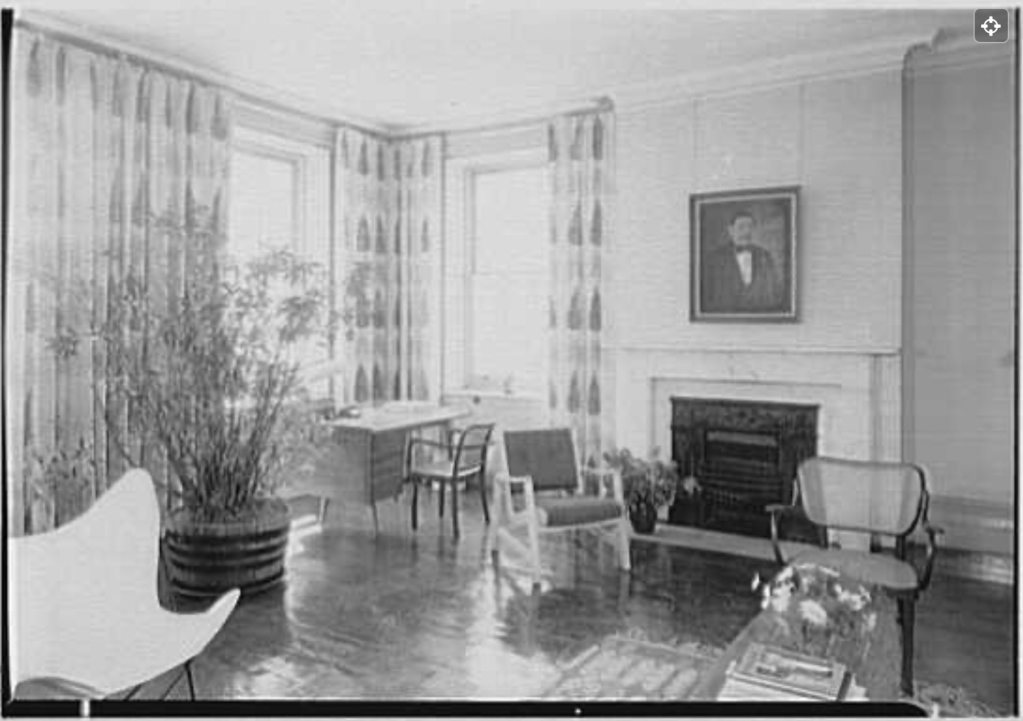
The Living Room
Look at that shiny wood floor! And that fireplace!
Photo by Gottscho-Schleisner, Inc. (1951)
Courtesy of the Library of Congress

The printing plant
Photo by Gottscho-Schleisner, Inc. (1951)
Courtesy of the Library of Congress
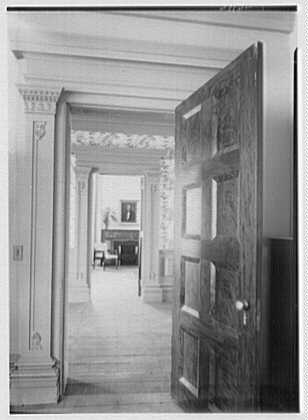
The office suite of Printex
Photo by Gottscho-Schleisner, Inc. (1951)
Courtesy of the Library of Congress

How fabulous was this?  River views and no commute? Wood floors and fireplaces? And just look at the Georgian decoration around those doorways! I wonder if any of it survives today?

The Printex company employed many Ossiningtonians.  Dr. George Hill, their neighbor at 30 State Street, provided medical services to Printex employees.  He also helped connect young people with jobs there.  Local artist Donna Chambers was one of them, and the training and inspiration she received no doubt helped inspire her to become a professional artist who creates remarkable quilts and jewelry today. 

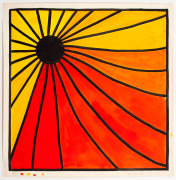
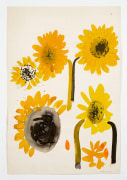
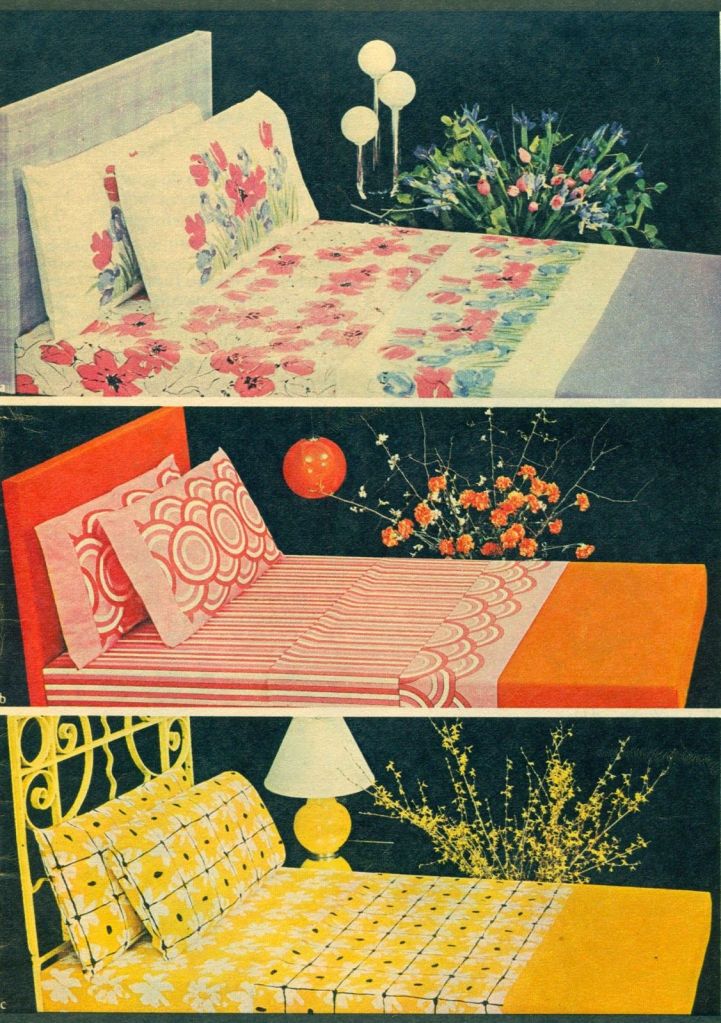
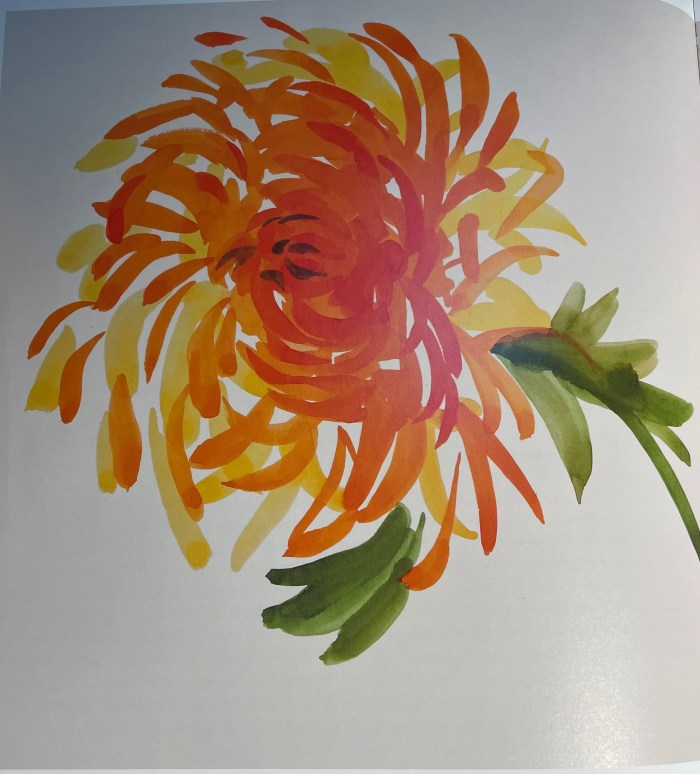
And here’s just a tiny selection of Vera designs, from a 2015 exhibit at the Alexander Gray Gallery in New York:

If we were going to play six degrees of Vera Neumann, we can connect in one turn to President Harry S Truman and First Lady Bess Truman, who chose Vera’s Jack-in-the-Pulpit design (below) for the upholstery in the White House solarium. 

Jack-in-the-Pulpit design – note, the shadows are part of the design. It is one of Vera’s most popular, in active use from 1952 to the mid-1980s

We can also connect to Marilyn Monroe. who famously wore nothing but a Vera scarf in her last photo shoot (with photographer Bert Stern.) Some might find the photos a bit raunchy, so be warned before you click here.

But one of the most admirable things about Vera Neumann is that she kept her price point low enough so anyone could own a Vera. While other designers charged upwards of $25 a scarf, Vera’s averaged from $2 – 10. (Remember inflation! $25 in the 1960s is about $250 today.)  “I don’t believe only the wealthy deserve good design,” she said and meant it.  And her inexhaustible creativity meant that the market was never saturated with the same thing, so even these “cheaper” scarves were always unique and special.

In the 1950s, as their family grew, George and Vera decided to build their dream house, reaching out to the leading architect of the day, Marcel Breuer.  On their plot of land at the top of Finney Farm Road in Croton, with magnificent views of the Hudson and beyond, Breuer’s modernist design is a triumph.  Still standing, and recently restored, it was on the market in 2020 for $4.2 million. Take a look here and here.

Vera and George travelled widely and collected art – Alexander Calder (who briefly lived in Croton as a child) was a close friend, and the Neumann lawn was decorated with a large Calder sculpture, a gift from the artist.

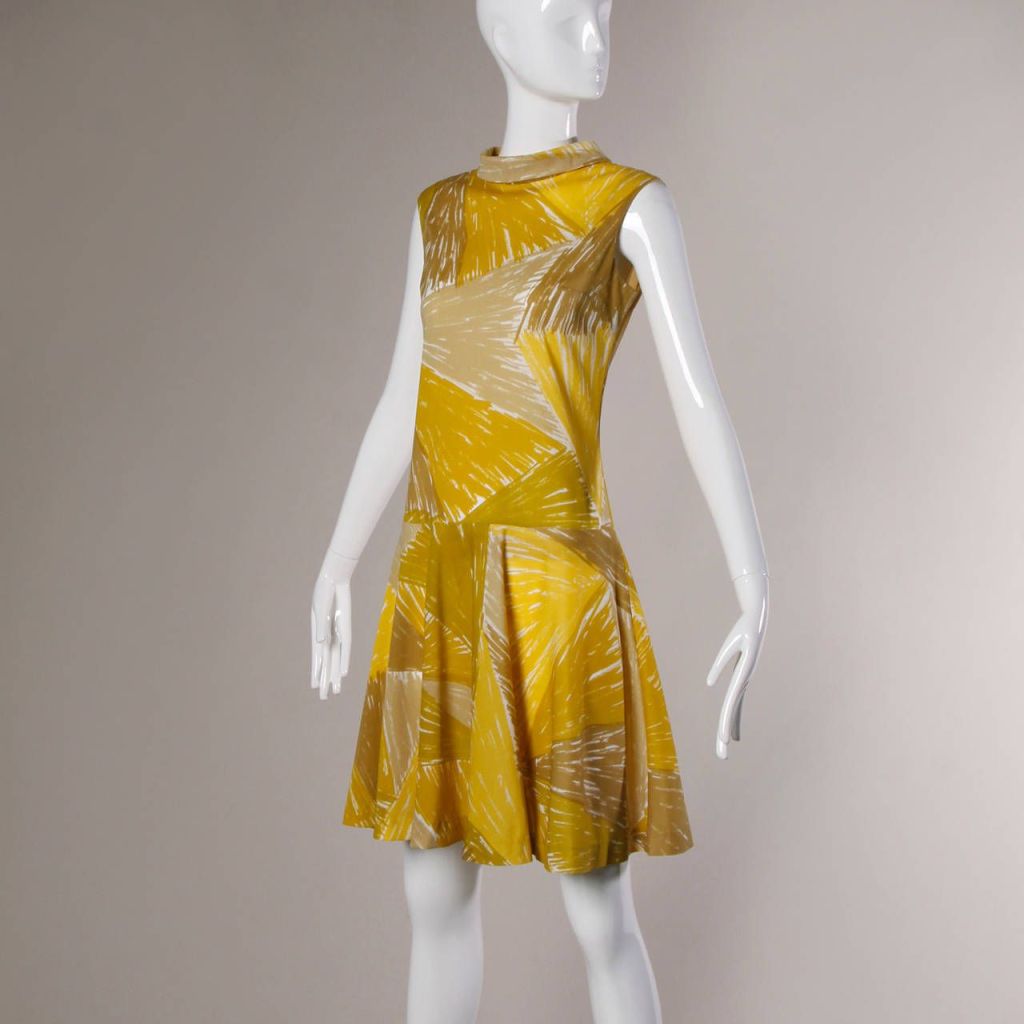
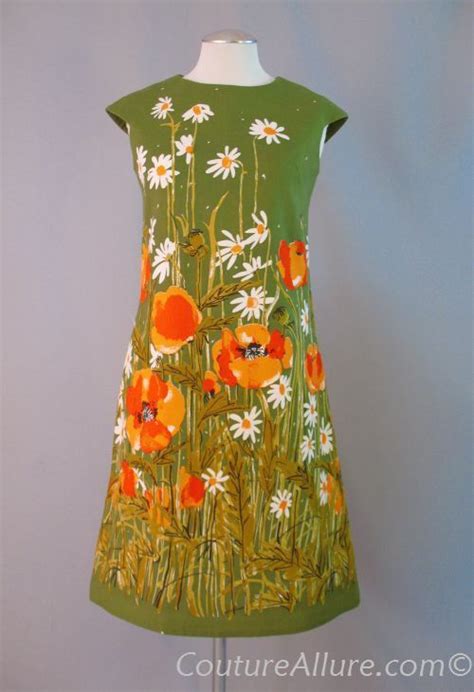
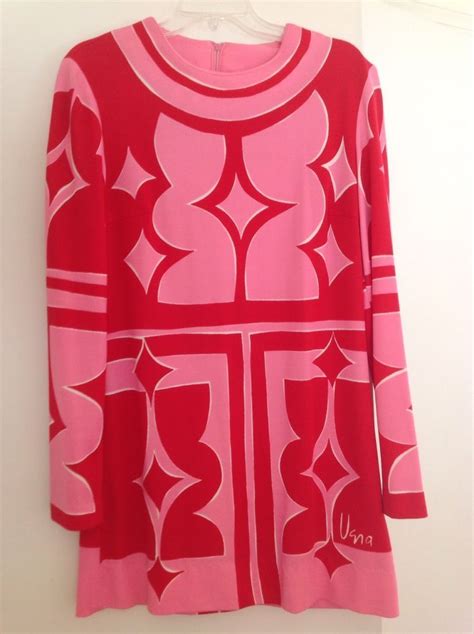
In the 1960s, the company branched out into clothing and home textiles, and sales skyrocketed. Here are a few outfits I plucked off Ebay/Pinterest:

And here are some homegoods items:

George died in 1960 and Vera sold Printex in 1967, though she remained active as a designer and board member for decades.

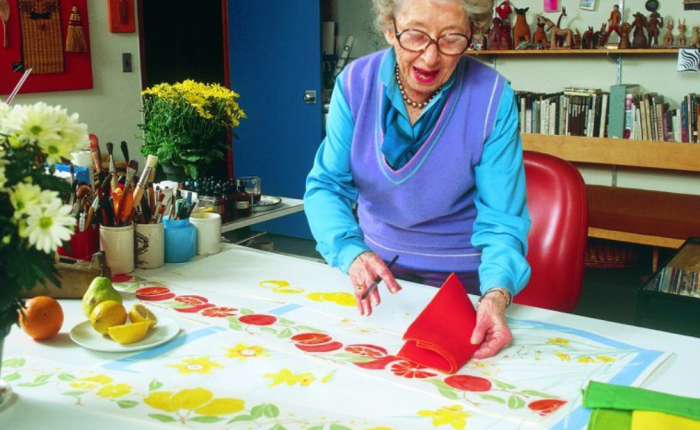
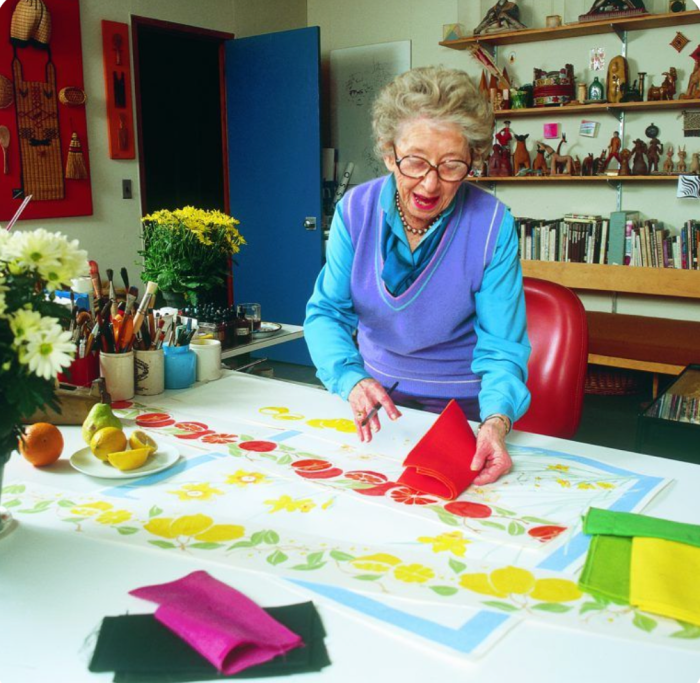
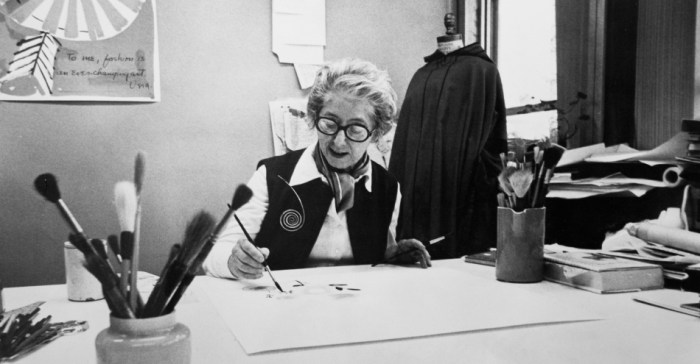
Vera Neumann in her Ossining studio, c. 1974

She lived in her beautiful home with her dachsunds and cats, swimming daily in her indoor pool until 1981, when she moved in with her daughter in Ossining.  

Vera Neumann died in 1993, designing to the end.  An artist, a trendsetter, a savvy businesswoman, hers was certainly a life well-lived who brought joy to everyone who saw her designs. Check out more of her work here.

Teatown Lake Reservation — From 2022 to Two Million Years Ago

 I can’t quite believe it’s taken me this long to write about Teatown Lake Reservation

Talk about ignoring things in your own backyard! It’s not only a wonderful organization that has provided exemplary stewardship of the land, but it’s also a goldmine of history.  

If you know where to look, of course.

Now, I have of late become  a little more interested in pre-history – I mean geologic history, the kind that involves rocks and . . . well, rocks.  It is truly the history before humans.  See here for more. 

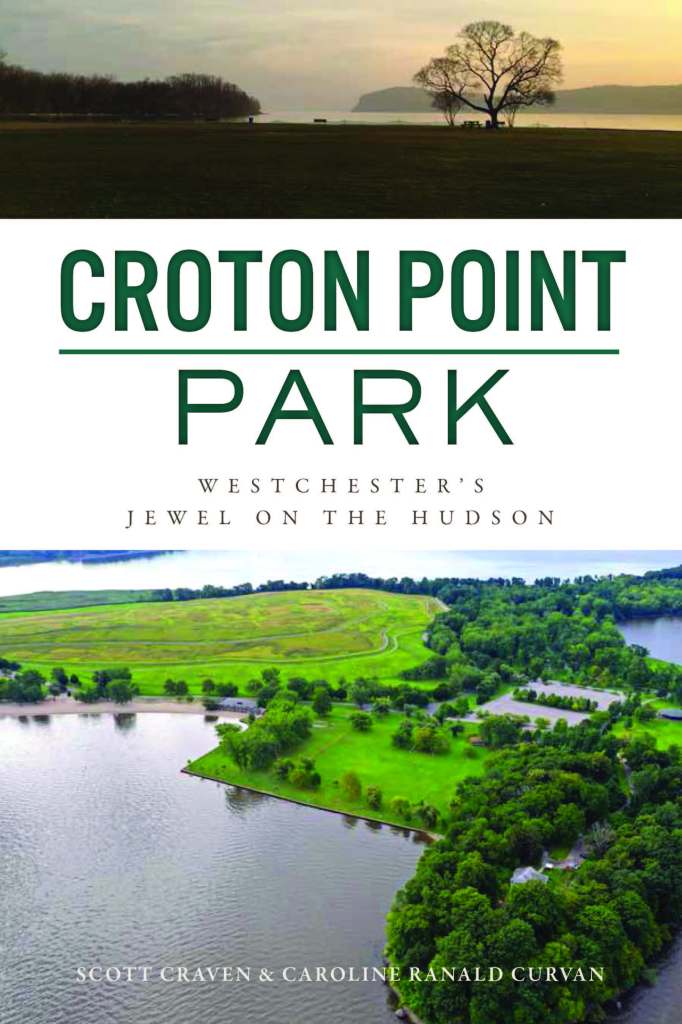
(Also, see the first chapter of my new book Croton Point Park: Westchester’s Jewel on the Hudson)

But I’m not going to go back to the Precambrian epoch.  I mean, I could tell of gneiss and schist and Ossining marble, of ancient continental plates, ever shifting and buckling up mountain ranges.  Of Pangaea and volcanoes and ice sheets . . . but already, I feel your attention begin to wane. 

No, I have to admit that my interests lie in people – how they lived, what they ate, what they wore, what they did.  How different yet similar we are.  And, of course, how we got to where we are today.

Teatown has all of this – characters and stories, and a long, long history that can indeed be traced back to rocks and magma.

So let’s start from today, and go backwards, investigating the world of Teatown from 2022 all the way back to – well, I guess the history of the rocks and ice I disparaged above.  Or at least until I get bored.

First, no discussion of Teatown would be complete without calling attention to Lincoln Diamant’s excellent book, Images of America: Teatown Lake Reservation. 

 You can find it in our local libraries, pick it up at the Teatown gift shop, at any number of our local bookshops or, if you must, buy it online.  

(Full disclosure, I have plucked much of my research for this post out of Diamant’s book.)

So, what is Teatown?  (And how did it get its name?)

Today, 2022, Teatown Lake Reservation is a non-profit nature preserve with miles of trails, native plant exhibits, and a small wildlife refuge.  Much of the land that constitute today’s Teatown was owned by Gerard Swope, Sr. and his wife Mary and inherited by their five children. They created Teatown Lake Reservation in 1963 to honor their parents and it has been thriving and growing ever since.

Gerard Swope was president of General Electric from 1922 – 1945 and was a well-respected businessman and labor reformer.  He also worked in the Roosevelt administration during the Depression to aid with the economic recovery.  

In 1922, Swope purchased the main house, the outbuildings and various parcels of land from the estate of Dan Hanna.   In 1924, the Swopes created Teatown Lake, by building the small dam still found at the far side of lake.  

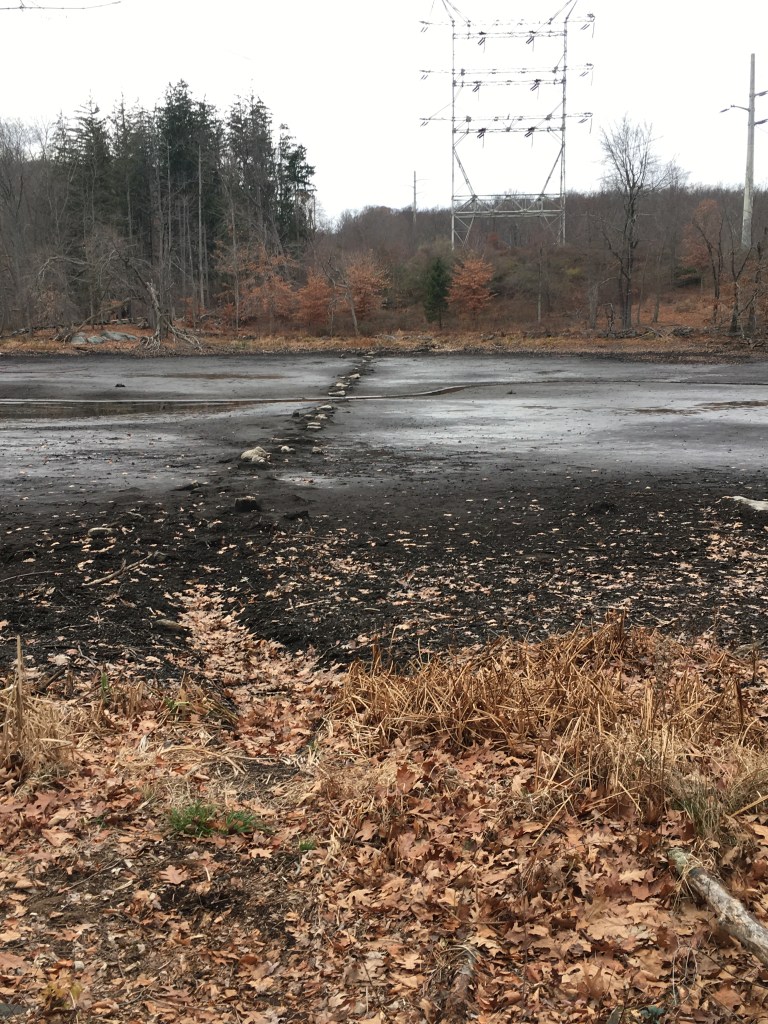
I must note that from October – December 2022, Teatown had to do some extensive rebuilding of the dam and in the process, drained the entire lake.  Here are some photos and look – you can see the remains of 18th/19th century stone walls still stuck in the mud.  

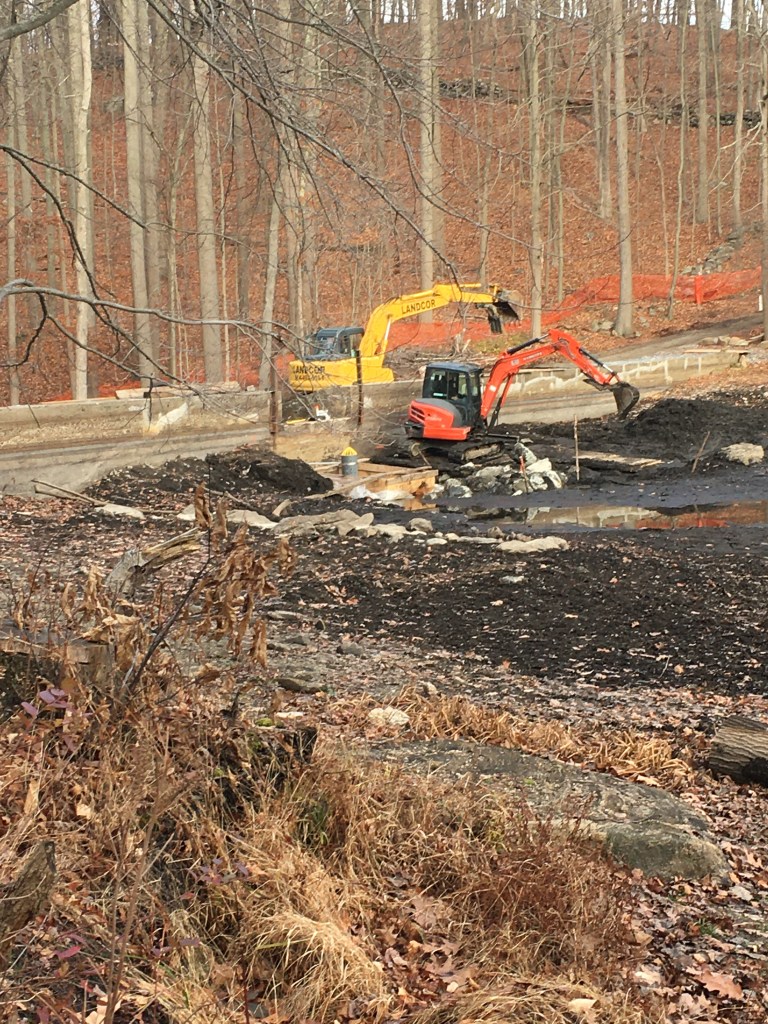
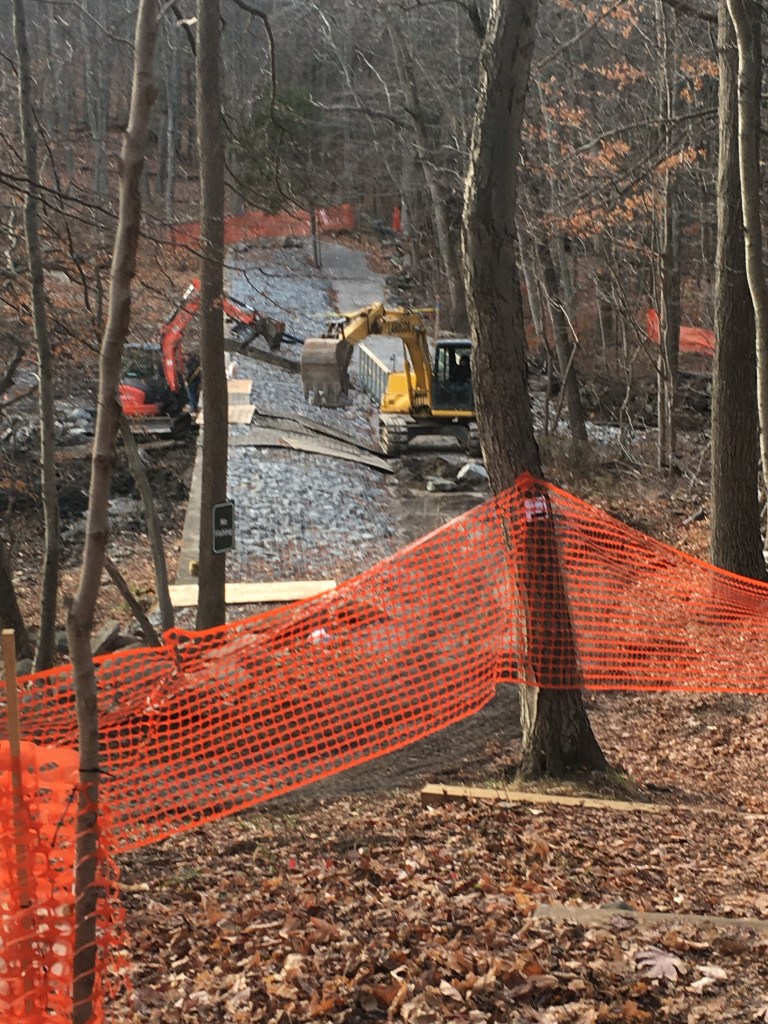
And here are some pictures of the diggers and backhoes at work rebuilding the dam and installing a new pump.  

But back to the exciting title search — in 1919, Dan Hanna purchased the land. He was the owner and publisher of the Cleveland News, as well as being a coal industrialist from the Ohio region.   If you’re a serious political history buff, you might find it interesting to learn that he was the nephew of Ohio Senator Mark Hanna, the Karl Rove (or Kellyanne Conway) to our 25th President, William McKinley.  

Dan Hanna was referred to as a “Cleveland Millionaire,” in a 1916 New York Times squib about his third divorce.   (Is that a sniffy New York Times way of saying he wasn’t up to New York social standards?)  He then swiftly remarried Molly Covington Hanna in the same year.  There are other newspaper clippings I’ve seen that were positively salivating over his marital career (“Dan Hanna is some Marry-er” winked the Lexington Herald-Leader in December of 1916).

At his death in 1922, according to the New York Times, his estate was valued at $10,000,000.  He was also noted as having four infant sons.  Considering that he married Molly in 1916 and she was 47 at the time, that is either surprising or simply incorrect. Yet this curious 1923 article describes a chaotic life after she was widowed, despite the 978 acre estate on Makeenac Lake in the Berkshires that she received as a wedding gift from Hanna.

Continuing on back in time, the previous owner, Arthur Vernay, purchased the parcel in 1915 from the Hershfeld estate.  Vernay was one of those wealthy men with a fascinating variety of interests and hobbies – apparently he was a very successful antiques dealer in Manhattan who was also an enthusiastic big-game hunter in the style of Teddy Roosevelt (and who also donated many carcasses to the Museum of Natural History.  Apparently you can still find his name on a plaque in the Roosevelt wing there today.)  

Vernay was responsible for building many of the Tudor-style structures that still stand today.  Those office buildings by the parking lot?  These were the old stables and outbuildings of the Croft, Vernay’s matching Tudor-style mansion that stood across the street until it was demolished in 2019.  The Croft supposedly contained imported genuine antique English interiors (a fireplace in there was said to be from the 1300s!)  I mean, considering that Vernay dealt in antiques, that seems possible.

Now, here’s where it gets complicated.  Before 1915, Teatown was part of a series of parcels that had at one time all been owned and farmed by the Palmer family.  The Palmer connection goes back to 1780, when William Palmer purchased a fairly large tract of land from Pierre Van Cortlandt.  Palmer lived at 400 Blinn Road (so named in the 20th century by actor Holbrook Blinn) and seems to have run a successful dairy farm. (Lincoln Diamant says that #400 was a converted dairy barn. But Diamant also says that #400 was a house built by the Van Cortlandt’s in 1740.  I’d be interested to know which is the truth.) 

In 1826, William Palmer gives several plots of land to his son Robert, who would build himself a farmhouse nearby at 340 Blinn Road.

A few years later, William Palmer would give another plot to his son John, who apparently lived in a farmhouse on or near today’s Teatown administration building.  His barn is said to have been on the site of the maple sugaring shed.  And the lake?  That wasn’t there at all – it was in fact a Big Meadow (so noted on maps of that era.)

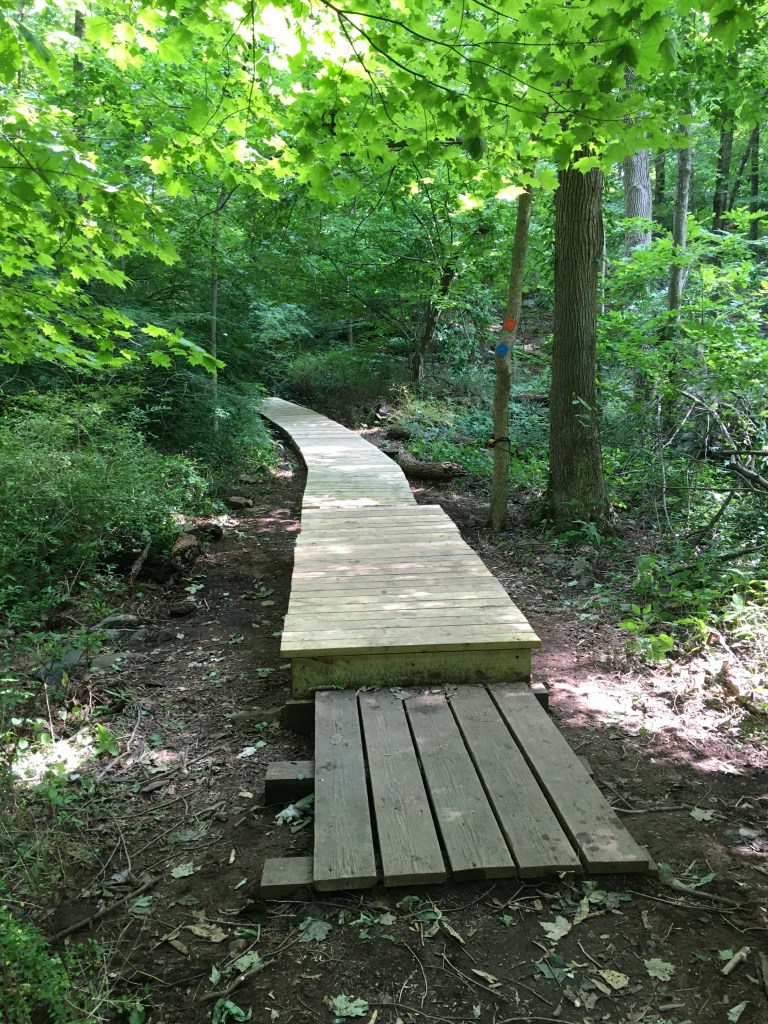
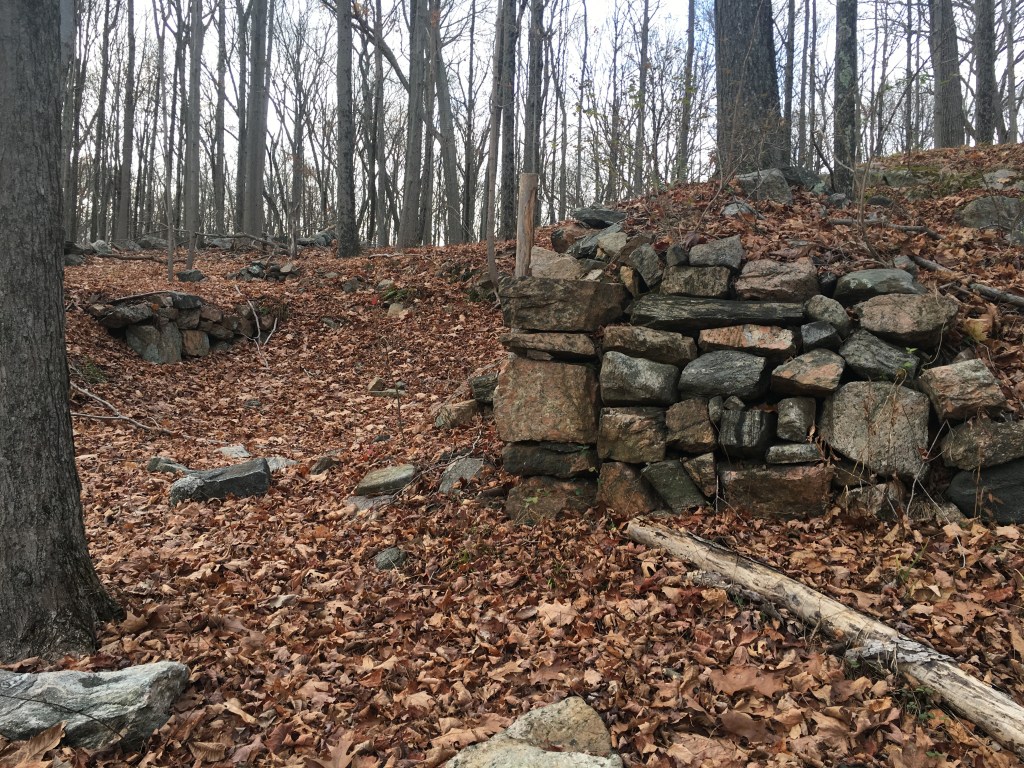
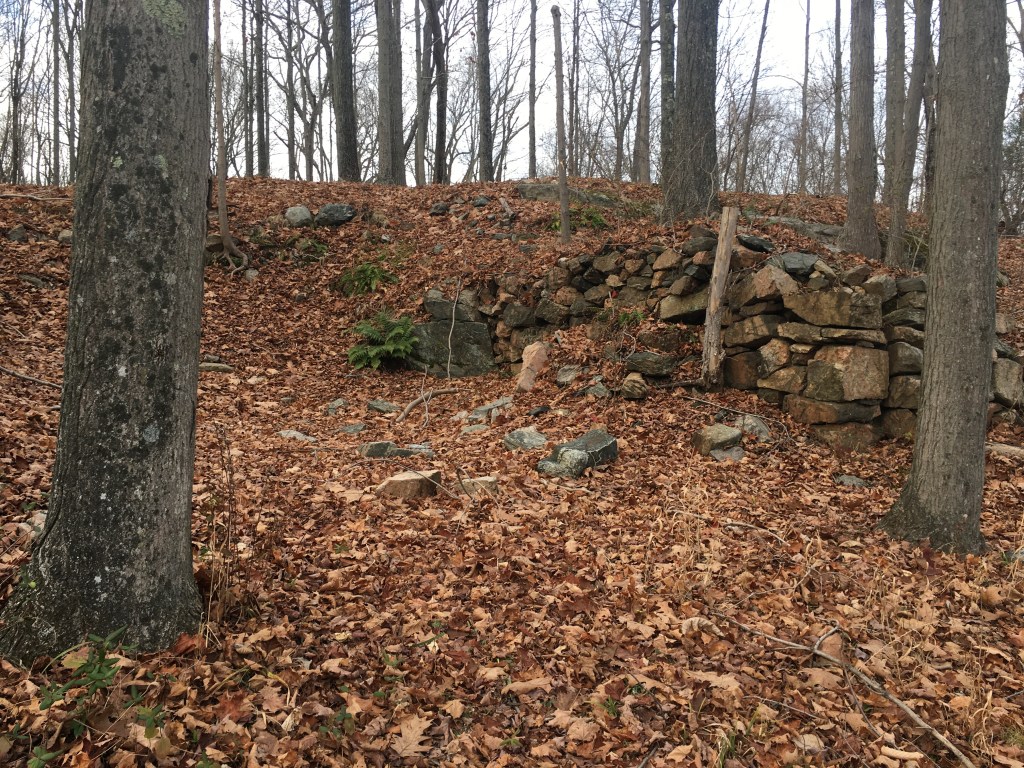
At some point, son (or grandson?) Richard Palmer also received a plot of land – this one all the way over by Teatown Road.  In fact, if you walk along the Lakeside Trail, crossing the two Eagle Scout-built bridges built by Troop 18 scouts Michael Pavelchek and William Curvan . . .

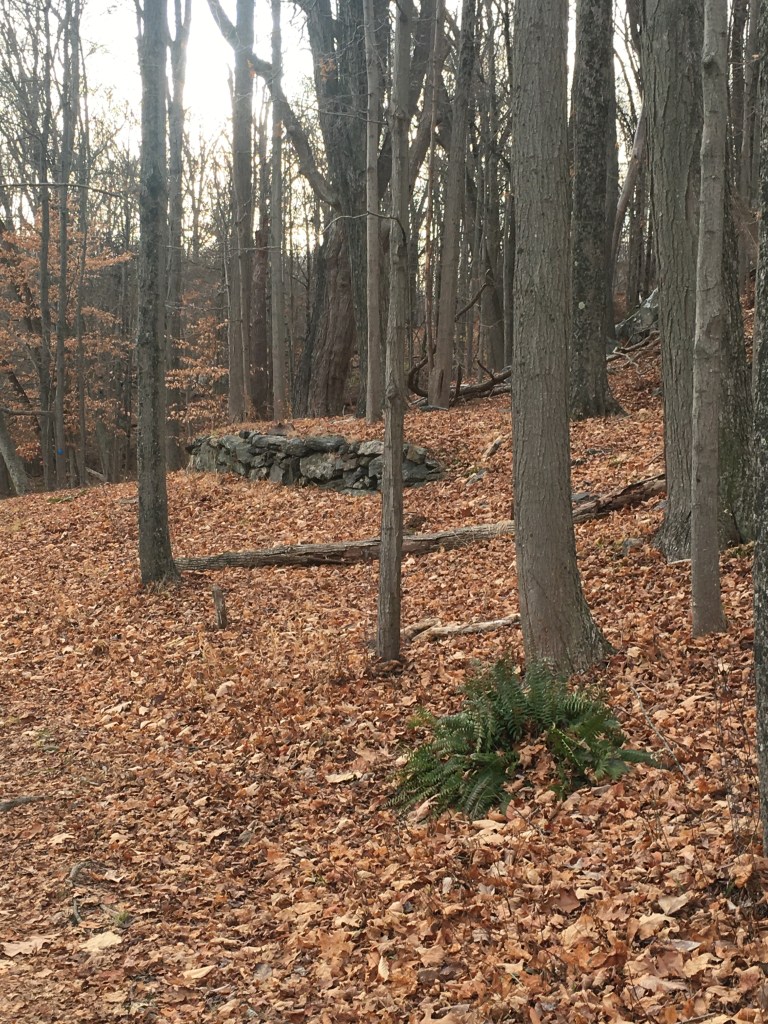
. . . you’ll eventually come upon some crumbing stone foundations which are all that’s left of Richard Palmer’s farmstead.  The buildings were supposedly standing until 1915, and I have even heard that daylilies are still seen to bloom at the site on occasion (though I’ve never managed to see any.) 

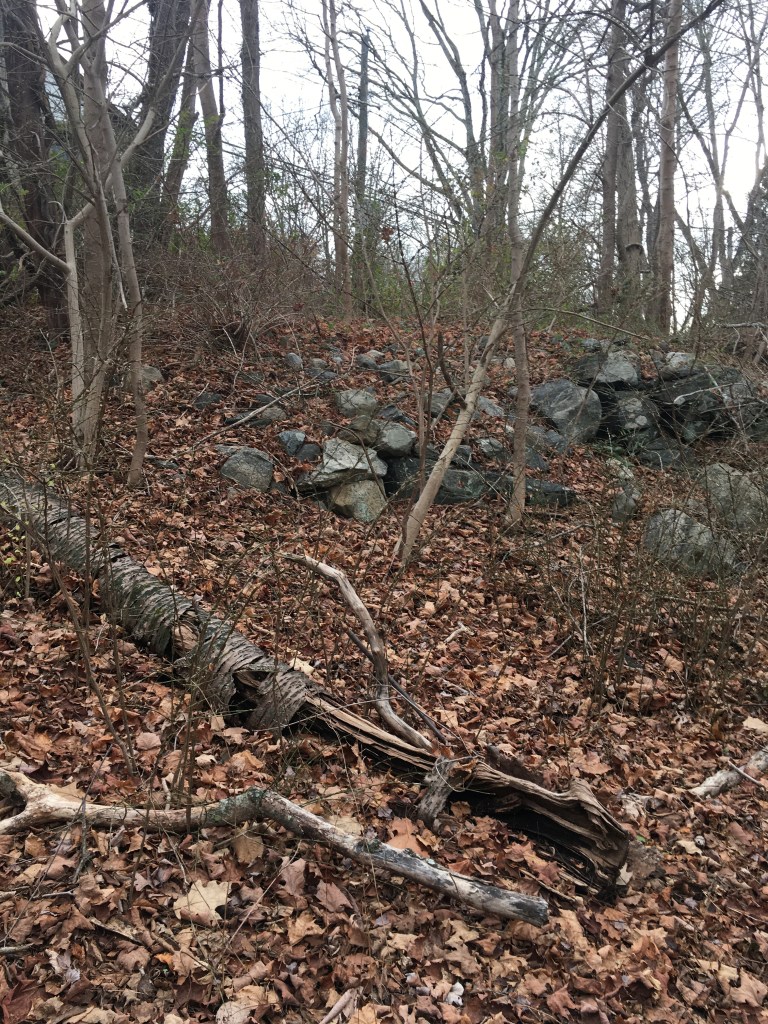
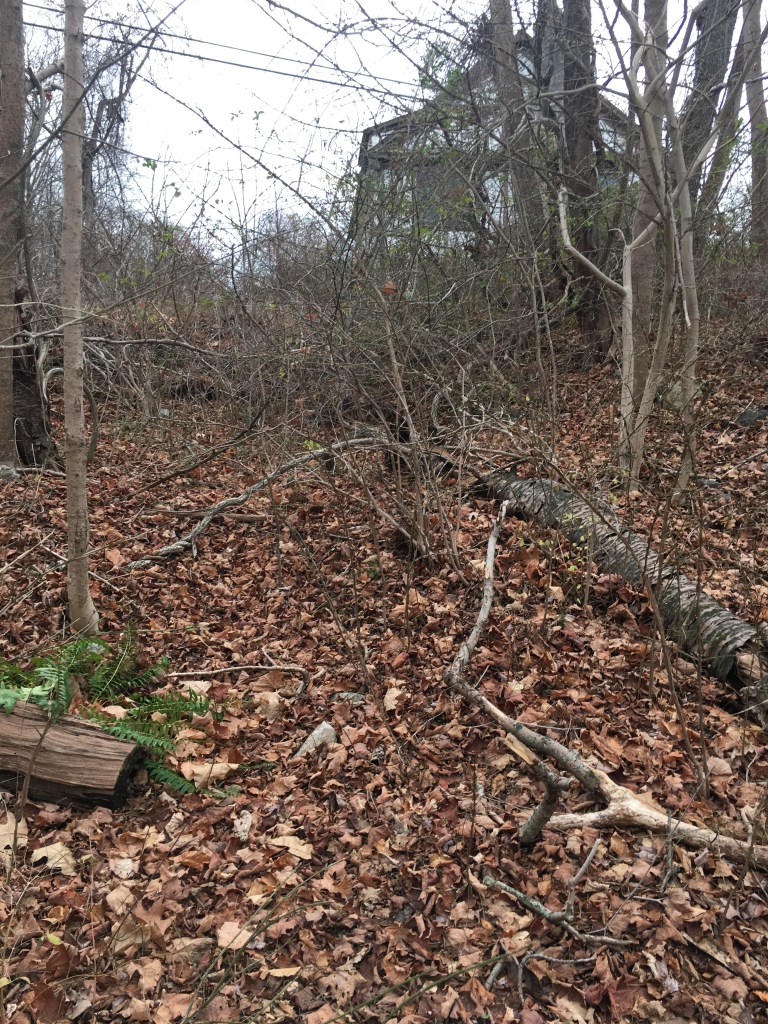
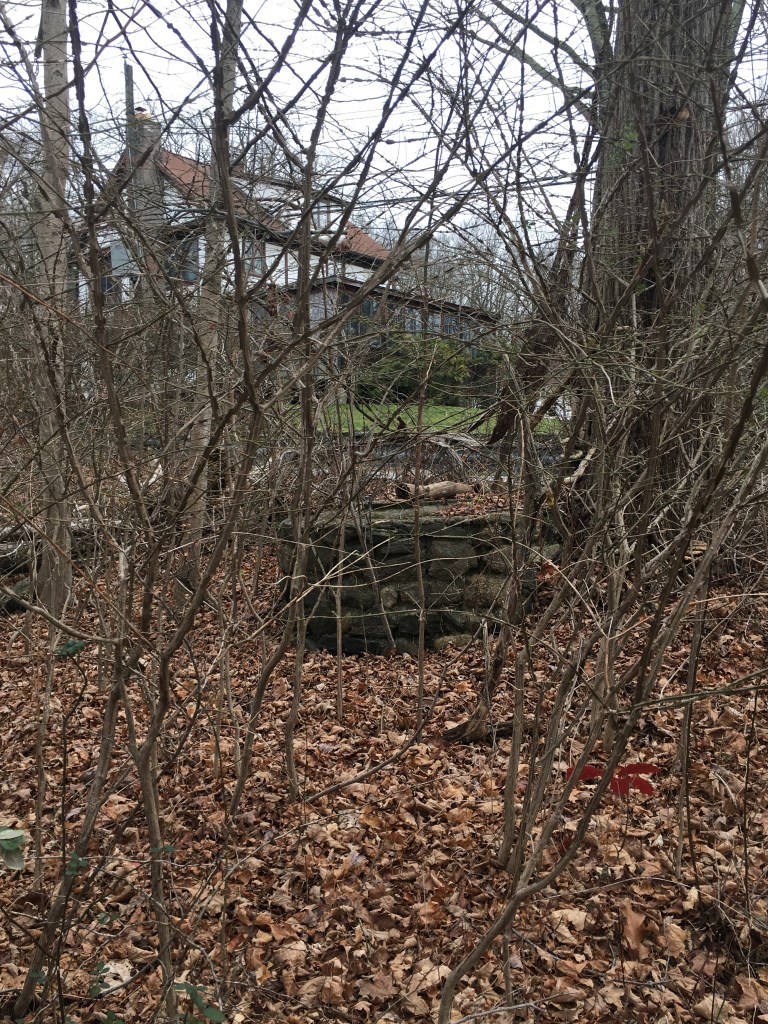
Other plots of land were sold to non-Palmers, one of which still whispers to us when the leaves are down.  As you’re walking on the Lakeside Trail, right next to Spring Valley Road, you might notice a pile of stones.  These are the foundation of Kahr’s farmhouse, located at 1685 Spring Valley Road.  

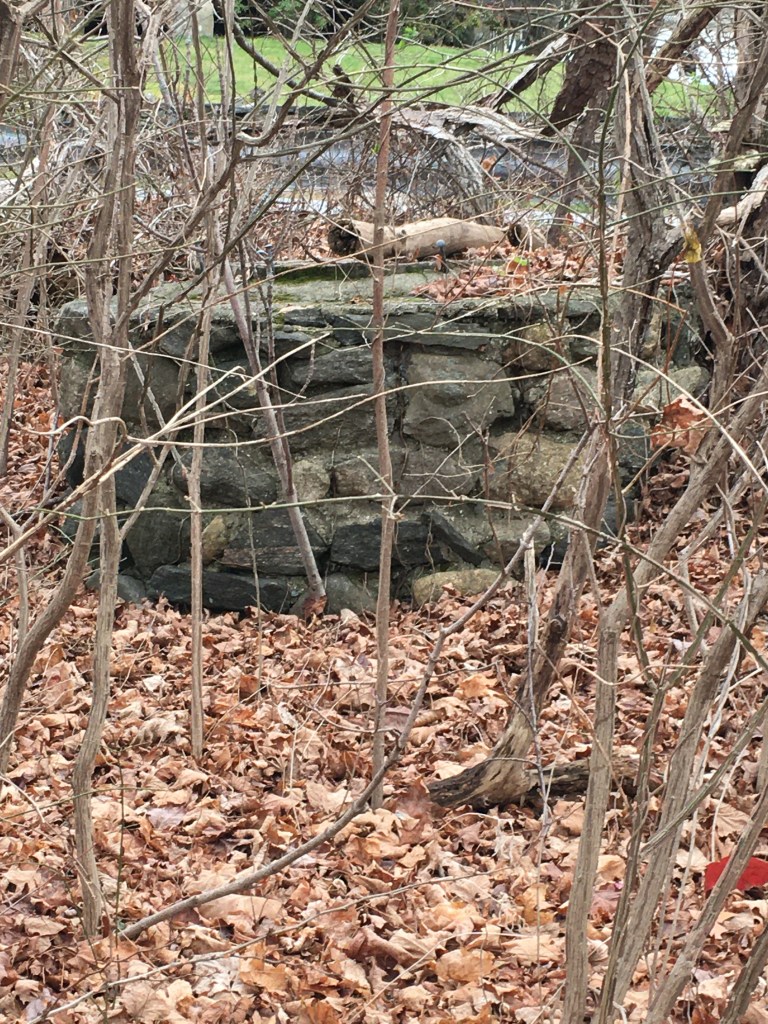
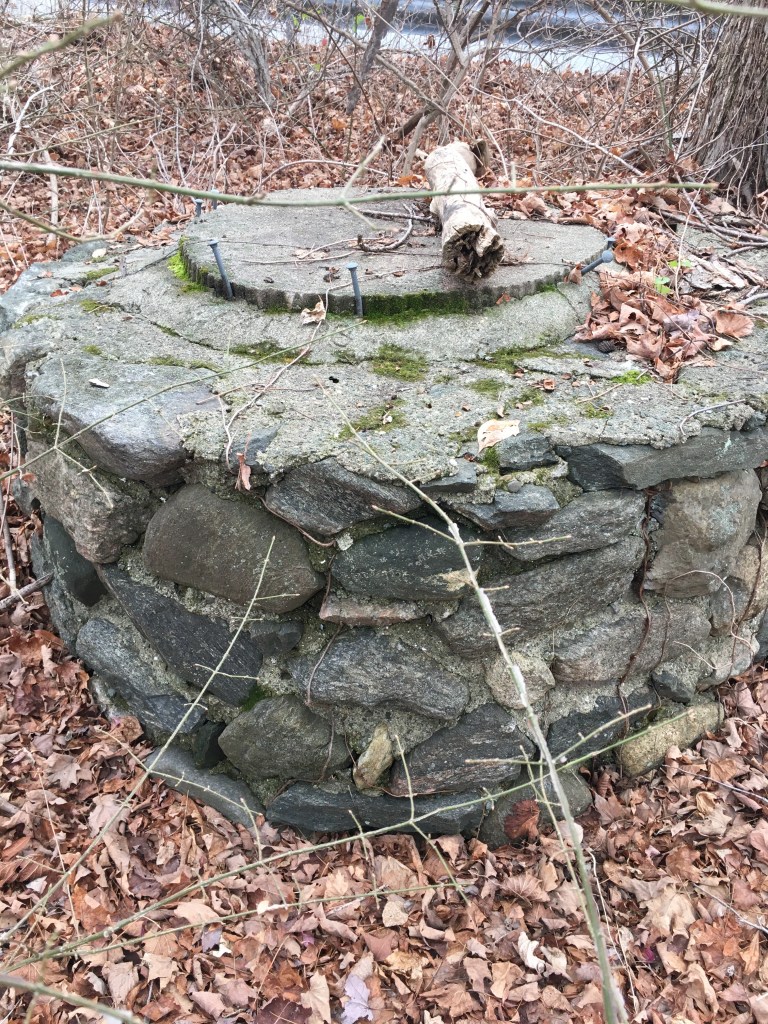
And if you walk a little farther and look carefully, you can even see what I believe is the original well for this farmhouse:

Are your eyes glazed over yet?  Stay with me a bit longer and I’ll tell you how it got its name AND make the connection all the back to the first people – I’ll be quick, I promise!

How did Teatown get its name?

The story goes (and it comes from the aforementioned Mr. Diamant) that during the American Revolution a grocer named John Arthur moved up from British-controlled Manhattan to the Neutral Zone of northern Westchester.  Gossip ensued, and it was bandied about among the local women that Mr. Arthur had several chests of tea in his possession.  Now tea was as precious as gold then (remember the Boston Tea Party??) and Arthur was a prudent businessman who hoped to sell his tea for whatever the market would bear.  Well, this market of tea-deprived farmwomen was no match for him – they ransacked his farmhouse and found the tea.  He finally agreed to sell it to them for a reasonable price and so Teatown was born.

(I will not waste words poking holes into this story as I do not have a better one to offer in its place.)

Moving still further backwards . . .

In 1697 Stephanus Van Cortlandt is awarded a royal patent from King William III for 86,000 acres that ran from today’s Van Cortlandt Manor in Croton all the way up to Anthony’s Nose and inland almost to Connecticut.  Stephanus died in 1700 and it was up to his widow Gertrude and about 100 tenant families to farm and maintain the land.  (Well, I’m pretty sure Gertrude wasn’t doing any hoeing. . .)

Now, before 1609, when Henry Hudson sailed his Half Moon up the river, the area was home to Algonquin-speaking indigenous people related to the Mohicans, Munsees, Wappingers and Delawares.  The Sint Sincks and the Kitchawan were two tribes that likely used the Teatown area as their hunting grounds.  

It’s not entirely clear to me when/how Stephanus Van Cortlandt wrested the land away from the Indians. I have not researched this thoroughly, so can’t say whether or not there’s a “deed of sale” exchanging some rifles, kettles, trade cloth and tankers of rum for the land in the 1680s or so.

Going back even farther, say about 10,000 – 15,000 years ago, people were following the retreating glaciers and first coming into the area from the south and the west.  
Think about that — our area has only been habitable fairly recently.  Consider that the most recent ice age, of the Quaternary Period, began over 2 million years ago and it wasn’t until about 25,000 years ago that humans and animals could even have survived.  It is, as Town of Ossining historian Scott Craven likes to say, just a geological snap of the fingers!

So there you have it – a thumbnail history of Teatown from November 2022 to 2 million years ago.  While this is by no means in-depth reporting, I hope it will inspire you to dig deeper.

A Shameless Plug . . .

I know I haven’t posted much here lately and that’s because I was putting the finishing touches on my new book!

Co-authored with Town of Ossining Historian Scott Craven, it’s called “Croton Point Park: Westchester’s Jewel on the Hudson.” Here’s the cover for your enjoyment:

It’s a fairly comprehensive history of (duh!) Croton Point Park, starting about 25,000 years ago when the ice sheets began their final retreat north. We’ve been getting great feedback on it from people who’ve read it and/or seen one of our presentations.

So check it out! You can buy it at any bookstore in the immediate area, as well as from the usual online bookselling sites. (You can even purchase a Kindle version!)

And please, visit our website: HudsonValleyChronicles.com — you can find other links through which you can purchase the book and read our new Hudson River blog over there.

Thanks for your support!

The Croton Aqueduct, Part I

The Croton Aqueduct is a favorite for local runners. It’s actually a 41-mile long narrow ribbon of a park that stretches from the Croton Dam to mid-Manhattan. Unpaved, flat, protected, and with a gradual downhill incline, it used to bring water from the Croton Reservoir all the way into Manhattan.

It’s really one of the great engineering feats of the 19th century, so I can’t let this opportunity pass without giving you a thumbnail sketch of this marvel.

Now, technically it is known as the “Old Croton Aqueduct,” hence the “OCA” signposts you’ll see periodically along the way. It was built between 1837 and 1842 and was in use until about 1890 when the New Croton Dam and Aqueduct were built.
Finding enough fresh water was a huge problem for 19th century Manhattan, as its population exploded after the Revolutionary War.  Also, despite the fact that the Romans had managed to invent and build sewers in their cities centuries earlier, this vital piece of technological evolution hadn’t made it to the New World and so their sanitation was not really up to snuff in those days.  Yup, early New Yorkers just emptied their chamber pots onto the streets, relieved themselves in cesspools, and had horses fouling the roads, all of which (and more) trickled into the wells, cisterns and underground springs that provided drinking water. Not surprisingly, people were getting sick and dying from all sorts of loathsome diseases that come from imbibing a side of e coli with breakfast – epidemics like yellow fever and cholera were rampant.
So, in 1833, the city engaged Major David Bates Douglas, formerly an engineering professor at West Point, to survey a route and oversee the massive project.  Imagine the bushwhacking his team had to do back then, coming all the way down from Croton on horseback, choosing a route, going through peoples’ farms and estates, making exact measurements, setting spikes. That certainly is a story in itself . . .

Anyway, for reasons I haven’t discovered in my sitting-on-the-couch-and-looking-through-the-Internet research, Douglas was fired in 1837 (and went off to become President of Kenyon College as one does), and an Engineer named John B. Jervis took over. He saw this project through to the end (and got his name on the plaques), building a dam (the Old Croton Dam), digging tunnels,  laying pipe, creating reservoirs, building bridges – when you stop to think about, this was a Herculean effort! And just think — it was all likely done entirely by hand – they might have had some sort of steam shovels/excavators back then, but probably not. Hey, the Irish were much cheaper.

The plan was that the water would come down to the city via the aqueduct and pause in the Receiving Reservoir. That still exists, and you’ve probably seen it if you’ve ever visited Central Park — it’s the body of water in the middle of the park, now called the Jacqueline Kennedy Onassis Reservoir. No longer used as part of the water system, it’s just a cool, 1.8 mile jogging track around a manmade lake in the upper middle of Manhattan.

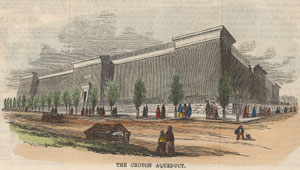
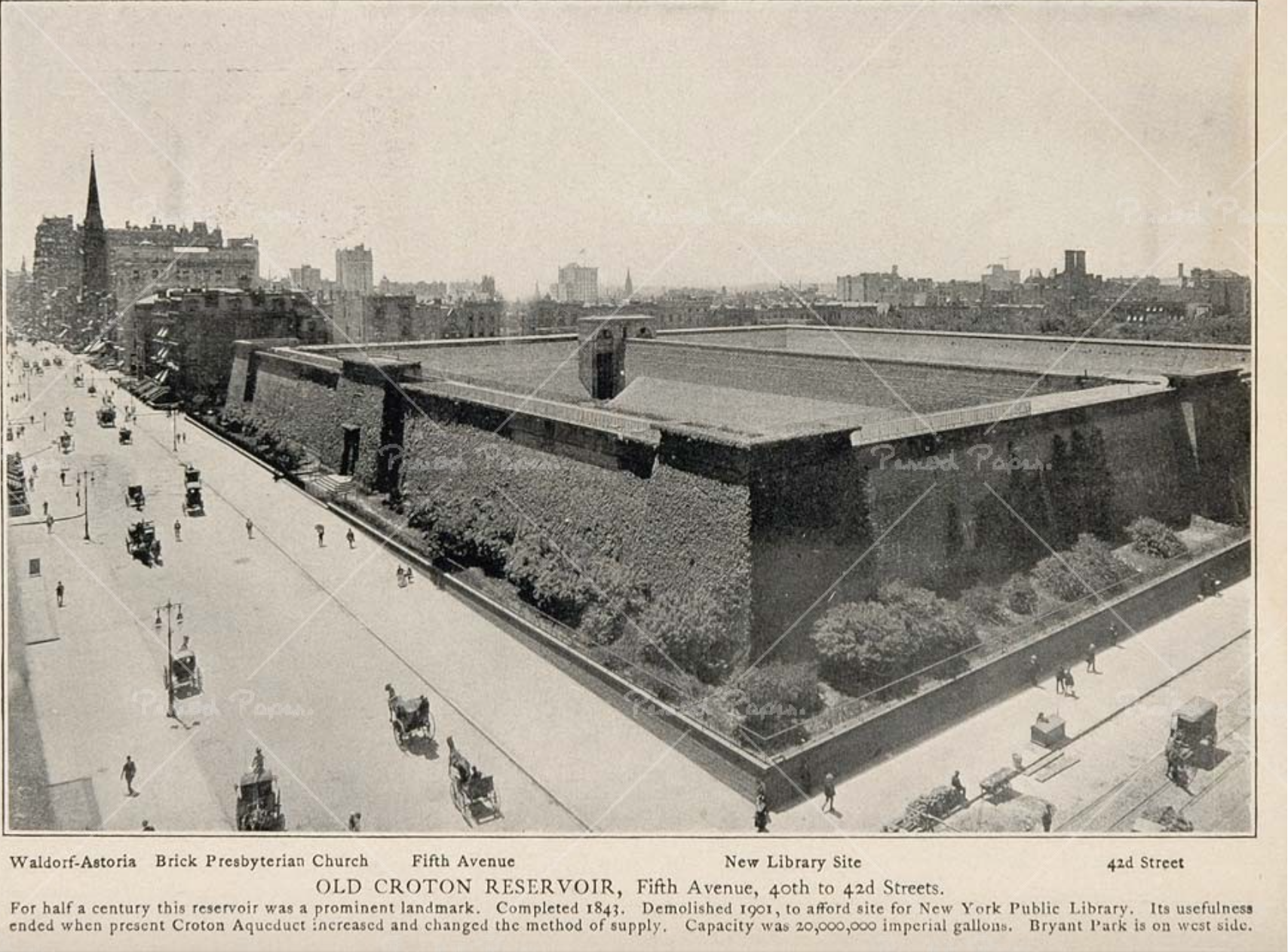
The water then traveled downtown to the Distributing Reservoir located on what is now the site of the New York Public Library — 42nd Street and 5th Avenue. This was a massive structure, Egyptian in both size and design.  Check out this drawing:

Depósito_Croton

And this photograph (not precisely sure what year this would have been, but likely circa 1895 – 1901):

Screen Shot 2018-02-12 at 9.47.59 AM

Fun fact: you can even see remnants of these reservoir walls embedded in the Library building today!  Lookie here:

Vestiges_of_Croton_Distributing_Reservoir_embedded_in_the_foundation_of_the_New_York_Public_Library

The Aqueduct began carrying water to the city in June of 1842, and officially opened on October 14, 1842 to great hoopla.

Lydia Maria Child, an author of some renown, wrote about this day: “Oh, who that has not been shut up in the great prison-cell of a city, and made to drink of its brackish springs, can estimate the blessings of the Croton Aqueduct? Clean, sweet, abundant, water!”

(It seems so quaint, her excitement at fresh water, but I bet the citizens of Cape Town, South Africa would echo these emotions today.   As of this writing, they’re about a month away from running out of water.)

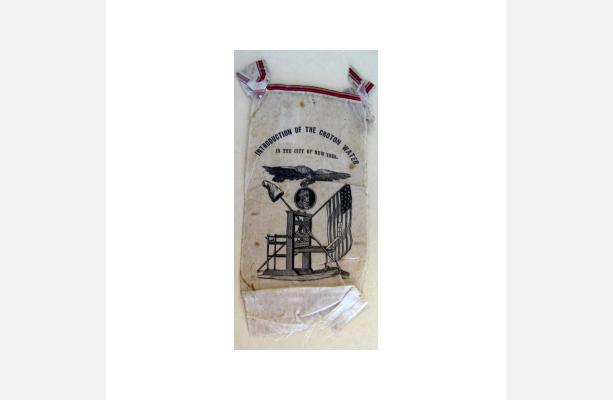
Here’s a ribbon that was printed for the “Introduction of the Croton Water” to Manhattan:

Silk Ribbon from Croton Aqueduct Celebration

from the New York Historical Society website — Gift of the Virginia Historical Society

Okay, so this has become less of a thumbnail and more of a straight out history lesson, sorry about that. But can you tell I find the Croton Aqueduct fascinating?  (Here’s an excellent blog post about all of the above, with much more detail and lots of pictures.  Enjoy!)

Tune in next time to read more about the Aqueduct and the running project I’ve been pursuing (on and off) for the past year — to run the length of the Aqueduct.

Here’s the link to part II.